Advertisement
Samia Suluhu’s husband’s death puts heart disease in focus: Key things to know
07th September, 2026 03:12 PM

The death of Tanzania’s First Gentleman, Hafidh Ameir Hassan, has brought renewed attention to heart health and the importance of recognising warning signs that can sometimes be easy to overlook.
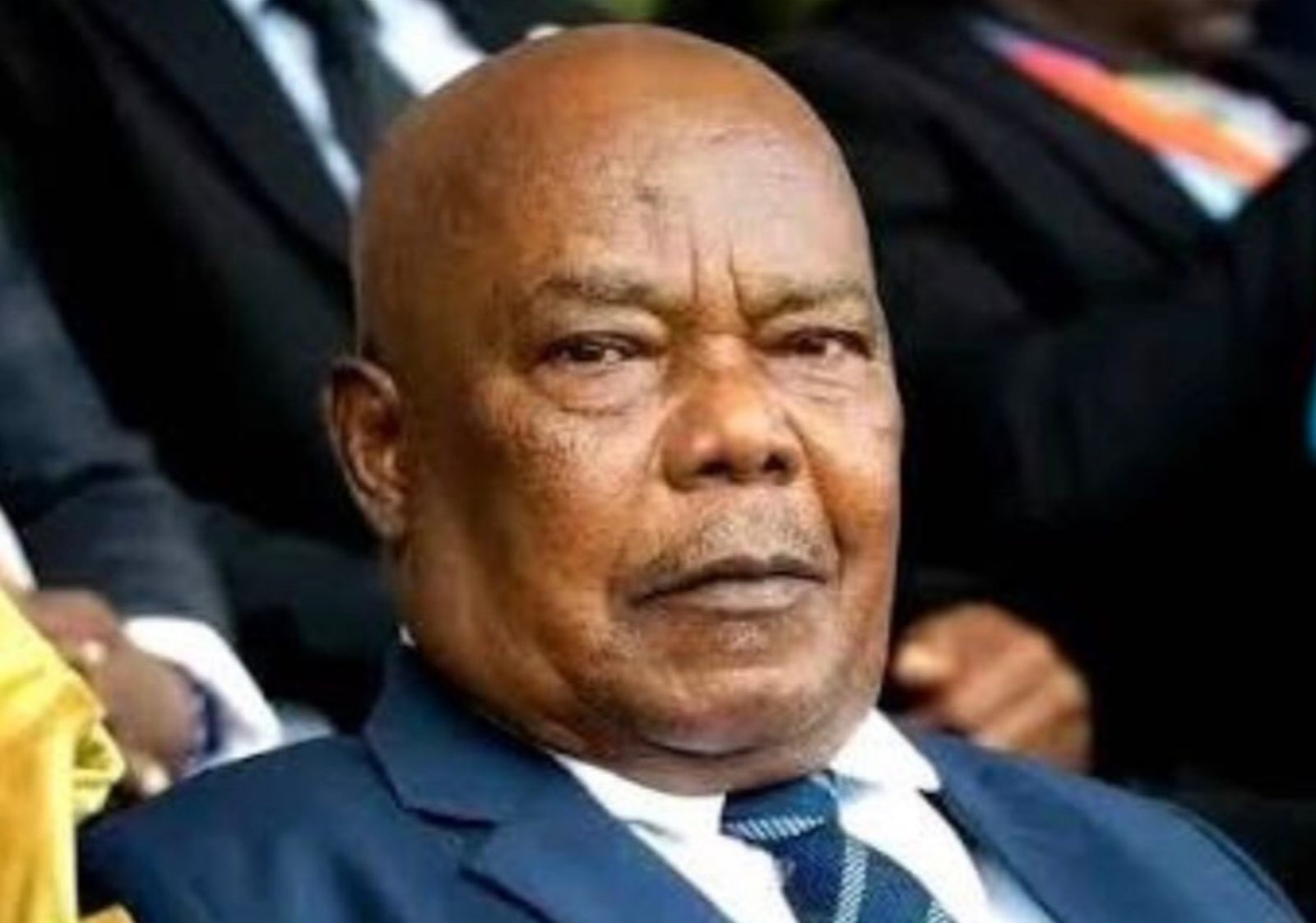
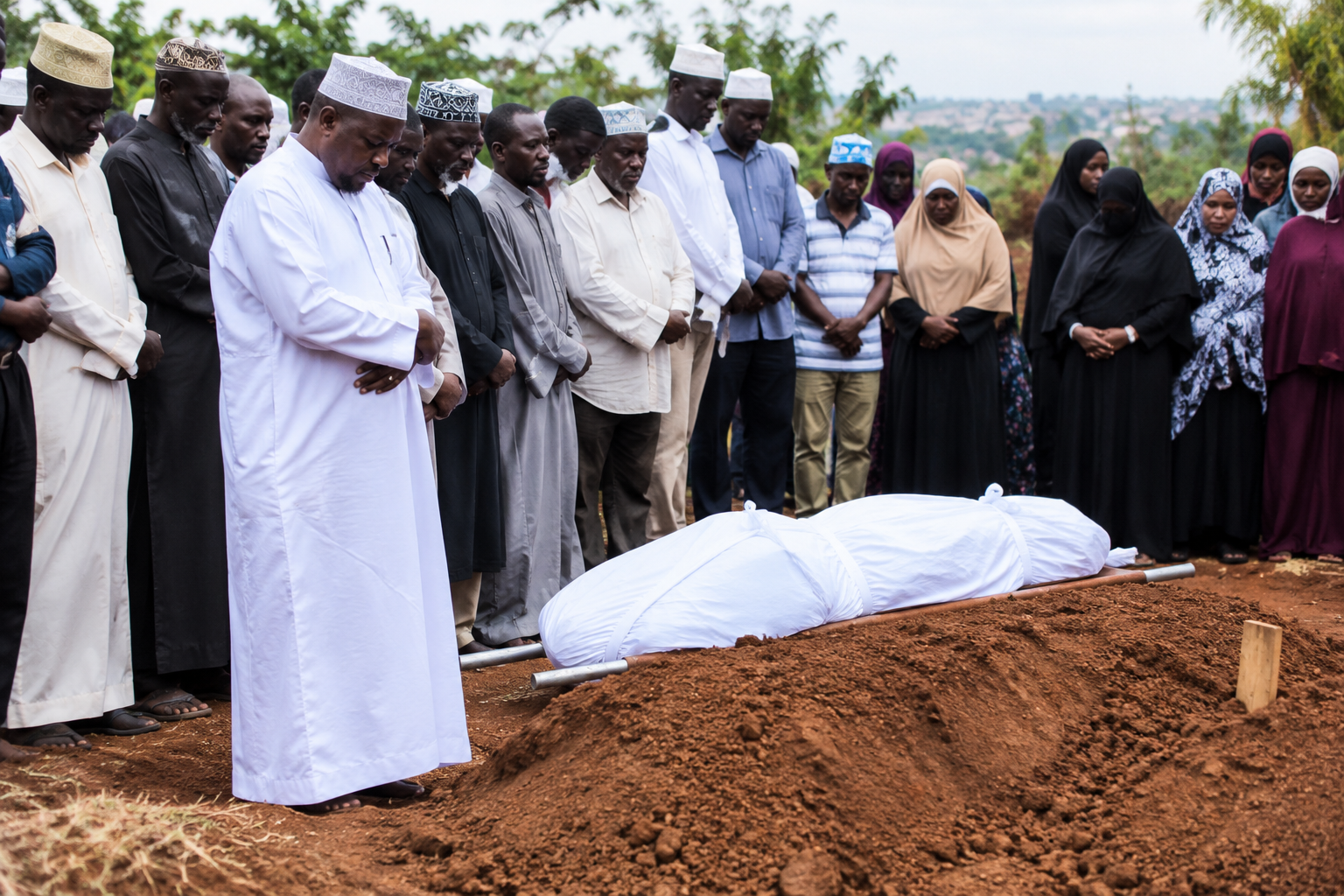
Hafidh, the husband of Tanzanian President Samia Suluhu Hassan, died on Monday, September 7, 2026, while receiving treatment for a heart condition at Emilio Mzena Memorial Hospital in Zanzibar.
His death was announced by Tanzania’s Vice President Deogratius Ndejembi, who said the former agricultural officer and academic died at around 8am. Hafidh largely kept a low public profile during his wife’s political career and became Tanzania’s first First Gentleman when Samia became president in 2021. The couple had four children.
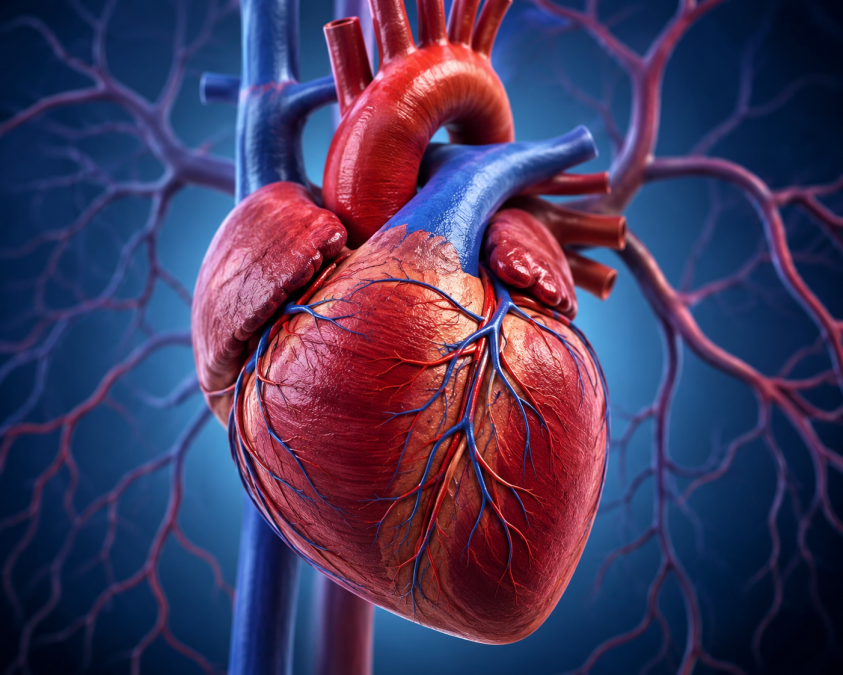
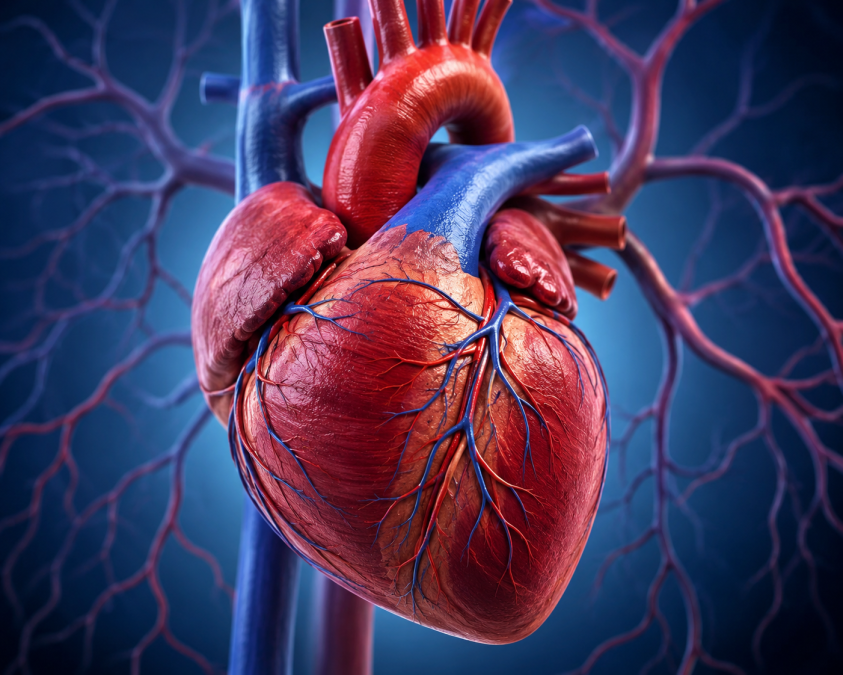
While his death has sparked an outpouring of grief, it has also put a spotlight on cardiovascular diseases, a group of conditions that affect the heart and blood vessels.

According to the World Health Organization (WHO), cardiovascular diseases include coronary heart disease, heart attacks, strokes, high blood pressure, heart failure, rheumatic heart disease and congenital heart disease.
Different types of heart conditions
Coronary heart disease occurs when the blood vessels supplying the heart become narrowed or blocked. It can cause chest discomfort, particularly during physical activity.
Heart attacks happen when blood flow to part of the heart is blocked. Warning signs can include chest pain or pressure, shortness of breath, sweating, nausea and pain that may spread to the arms, back, neck or jaw.
Heart failure occurs when the heart cannot pump blood effectively enough to meet the body’s needs. It may cause breathlessness, tiredness and swelling of the legs or feet.
Arrhythmias affect the rhythm of the heart, causing it to beat too quickly, too slowly or irregularly. Some people may experience palpitations, dizziness, fainting or shortness of breath.
High blood pressure, meanwhile, may have no obvious symptoms. WHO notes that raised blood pressure is an important risk factor for cardiovascular disease and can increase the risk of serious complications when left uncontrolled.
Signs not to ignore
Heart problems do not always announce themselves dramatically. Persistent chest discomfort, unexplained shortness of breath, unusual fatigue, dizziness, fainting, swelling of the legs or an unusually fast or irregular heartbeat are symptoms worth taking seriously.
WHO says cardiovascular diseases remain the leading cause of death globally, while many can be prevented by addressing risk factors such as physical inactivity, unhealthy diets, tobacco use and obesity.
For many people, protecting heart health therefore starts with everyday choices, staying physically active, eating a balanced diet, avoiding tobacco, maintaining a healthy weight and keeping conditions such as high blood pressure under control.