Advertisement
Key facts to know about endometriosis medication and treatment
04th September, 2026 06:54 PM
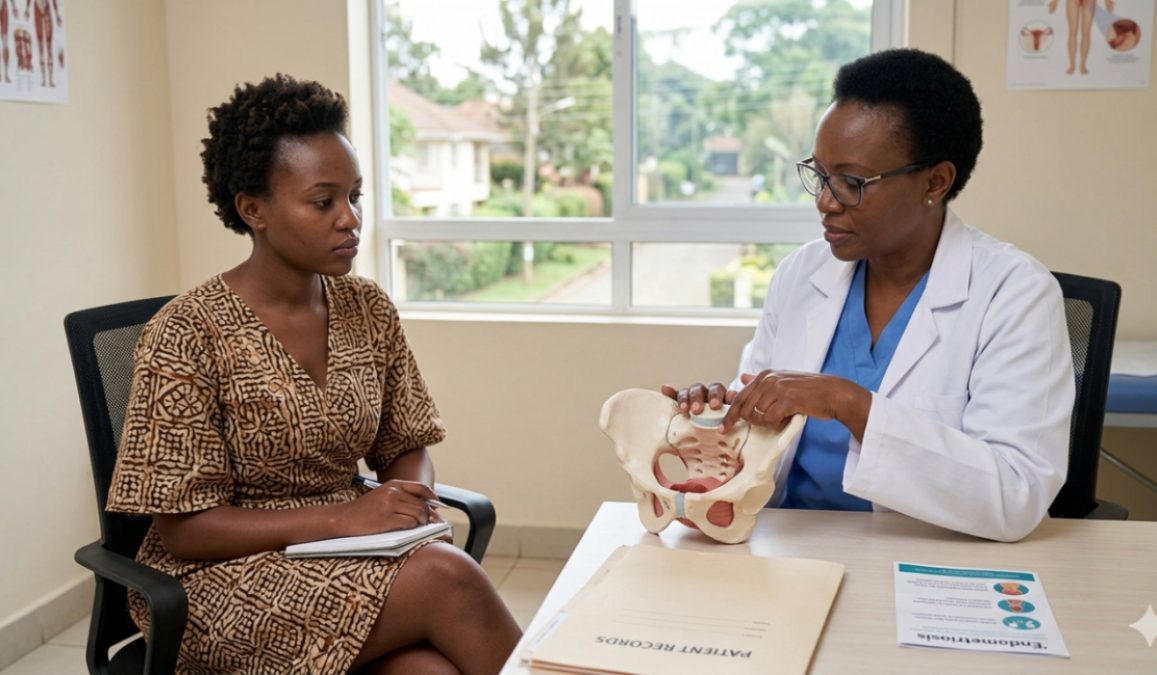
Endometriosis is a condition in which tissue similar to the lining of the uterus grows outside the uterus. It can cause severe period pain, pelvic pain, pain during sex, heavy bleeding and, in some cases, difficulty becoming pregnant.
Although there is currently no treatment that permanently cures endometriosis, symptoms can often be managed with medication, hormonal treatment or surgery.
According to the World Health Organisation (WHO), the best approach depends on the person’s symptoms, age, treatment goals and whether they want to become pregnant.
“There are no existing treatments that definitively cure the disease. Instead, treatments are based on severity, individual preferences, side effects, long-term safety, costs and availability, and whether pregnancy is desired,” WHO stated.
Managing endometriosis
On the other hand, WHO notes that some medications can help manage endometriosis and its symptoms, including:
- Non-steroidal anti-inflammatory drugs (NSAIDs) such as ibuprofen and naproxen and other analgesics (pain killers) are often used to treat pain;
- Hormonal medicines may also reduce pain severity and/or frequency in some women. These methods include:
- combined hormonal contraceptives (pill, patch, ring);
- progestins (hormonal IUD, DMPA); and
- GnRH analogues.
Other hormonal modulators include aromatase inhibitors. However, some of these methods may not be suitable for women who want to get pregnant.
“Surgical treatment can remove endometriosis lesions, adhesions, and scar tissue. Hysterectomy (surgical removal of the uterus), usually with the removal of the ovaries, may be considered for individuals who do not respond to other treatments and are not planning to have a child,” WHO stated.
However, according to WHO, hysterectomy is not a cure, and some patients have symptoms that remain.
Success in reducing pain symptoms and increasing pregnancy rates through surgery are often dependent on the extent of disease. In addition, lesions may recur even after successful eradication, and pelvic floor muscle abnormalities can contribute to chronic pelvic pain.
Fertility treatments
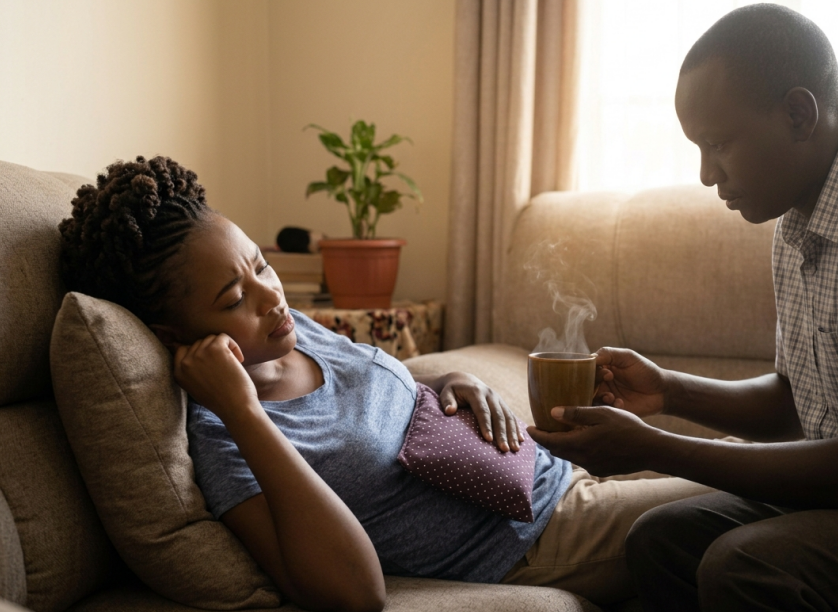
Meanwhile, according to the WHO, fertility treatments, including ovulation induction, intrauterine insemination (IUI), or in vitro fertilization (IVF) may be recommended for individuals struggling to conceive due to endometriosis.
In addition to talking to their doctor, people affected by endometriosis may find additional advice and emotional assistance in local patient support groups.
Multidisciplinary pain management approaches, including physiotherapy and cognitive behavioral therapy (CBT), can also help to reduce endometriosis-related pain and improve quality of life. These therapies target both physical symptoms and the emotional burden associated with the disease.
WHO further highlights that some treatments are associated with side effects, and endometriosis-related symptoms can sometimes reappear after therapy ends.
The choice of treatment depends on effectiveness in the individual, adverse side effects, long-term safety, costs, and availability.