Advertisement
Foods that help boost your memory before an exam
16th June, 2026 12:41 PM

When it comes to improving memory and focus, especially during exam preparation, the foods eaten daily can make a noticeable difference.
Certain foods are known to support brain function by supplying nutrients that help with concentration, learning and mental alertness.
Instead of relying only on long hours of revision, including the right foods in meals may help the brain stay active and responsive.
Fatty fish
Fatty fish such as sardines, salmon, and mackerel are among the most recommended foods for brain health. They are rich in omega-3 fatty acids, which help build brain cells and support communication between them. According to the National Institute of Health, omega-3 fatty acids contribute to normal brain development and function. Regular intake of these fish may contribute to improved memory and mental performance over time.

Eggs
Eggs are another important brain food. They contain choline, a nutrient that plays a key role in memory and brain development. Eggs also provide protein, which helps maintain steady energy levels, making them useful for students who need to stay focused during long study sessions.
Blueberries and other berries
Blueberries, strawberries, and blackberries are rich in antioxidants that help protect the brain from oxidative stress. These compounds may support brain cell health and improve memory function. The Mayo Clinic explains that foods rich in antioxidants may delay brain ageing and improve cognitive performance. Berries are also easy to include in breakfast meals or snacks.
Nuts and seeds
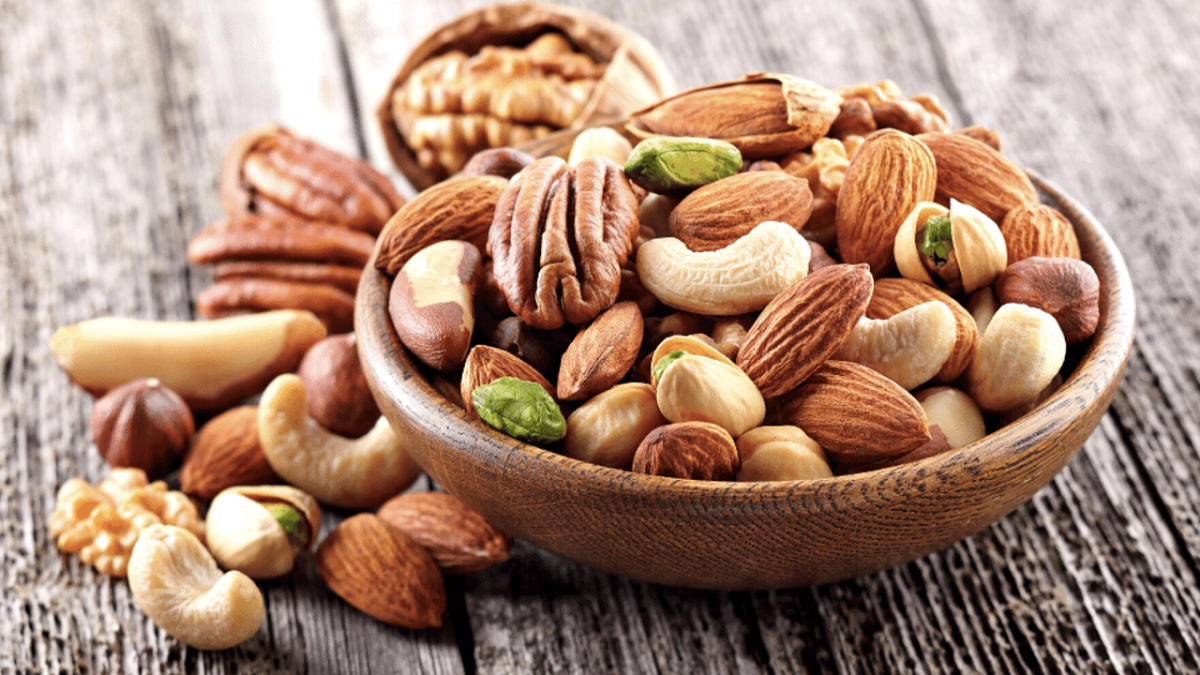
Walnuts, almonds, sunflower seeds and pumpkin seeds provide healthy fats, vitamin E and magnesium. These nutrients are linked to better brain performance and may help improve concentration. Walnuts in particular are often associated with supporting cognitive function due to their omega-3 content.
Whole grains
Foods such as oats, brown rice and wholegrain bread provide a slow and steady release of energy. This helps maintain stable blood sugar levels, which is important for sustained concentration during studying or examinations. They also support overall brain energy supply.
Leafy green vegetables
Spinach, kale and sukuma wiki are rich in vitamins such as folate, vitamin K and iron. These nutrients support brain development and help improve cognitive function. Regular consumption of leafy greens is linked to slower cognitive decline and better mental sharpness.

Dark chocolate
Dark chocolate, in moderate amounts, contains flavonoids, caffeine and antioxidants that may enhance memory and improve focus. It can also help boost mood, which may be beneficial during stressful study periods.
Water and hydration
Although not a food, water is essential for brain function. Even slight dehydration can affect concentration and memory. Staying well hydrated helps maintain mental clarity and supports overall cognitive performance. According to the NHS, drinking enough fluids is important for concentration and general health.
Foods such as fish, eggs, berries, nuts, whole grains and leafy vegetables all play a role in supporting memory and focus. While no single food can guarantee academic success, a balanced diet can help create a stronger foundation for better learning and improved mental performance during exams.