Advertisement
Food memory – Science behind why certain foods take you back in time
08th June, 2026 08:29 AM
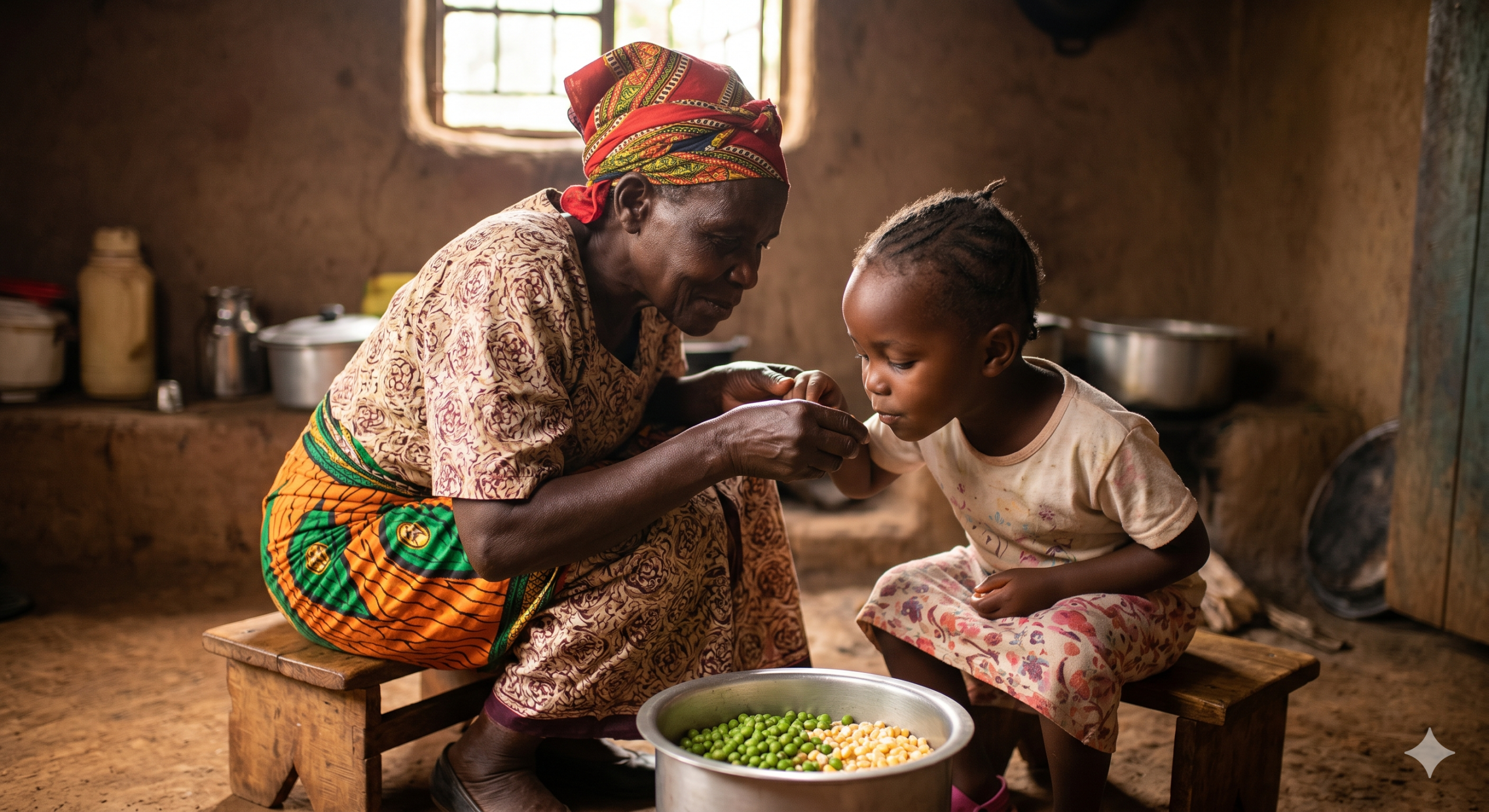
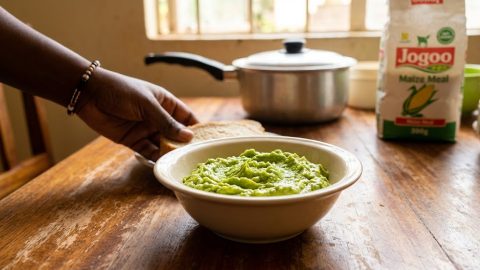
Close your eyes and imagine the smell of ugali lifting off the pot or the sharp sweetness of mandazi frying on a Sunday morning.
Before you finish the thought, you are somewhere else entirely – your grandmother’s kitchen, a childhood home, a feast you have not consciously thought about in years. The memory arrives without warning and arrives whole: the faces, the light, and the feeling of the room.
This isn’t sentimentality. It’s neuroscience.
What happens in the brain
The reason food-triggered memory feels so sudden and so complete comes down to anatomy.
When you smell something, the signal travels a uniquely short path – directly to the olfactory bulb, which sits in immediate contact with the amygdala and hippocampus, the brain’s twin centres for emotional processing and memory storage.
Every other sense (sight, sound, and touch) has to pass through the thalamus first, a relay station that introduces a step of cognitive processing before memory is reached. Smell bypasses it entirely. The result is a recall that feels less like remembering and more like being transported back to a place and time.
Researchers have named the features of this kind of memory using the acronym LOVER – Limbic, Old, Vivid, Emotional, and Rare.
A 2014 review found that “odour-evoked memories consistently trace back to the first decade of life, deeper than any other sensory memory.”
The food you ate as a child encodes differently in your brain, with very specific memories being triggered by a mere waft.
Food memory and the self
The science goes further than mere recall. A 2023 paper found that “scent-evoked and food-evoked nostalgia confer numerous psychological benefits, including enhanced self-esteem, feelings of social connectedness, and deeper meaning in life.”
These memories don’t just inform who you were – they actively reinforce who you are.
This matters enormously when you consider the role of food in Kenyan culture. Nyama choma at a family gathering is a ritual of belonging.
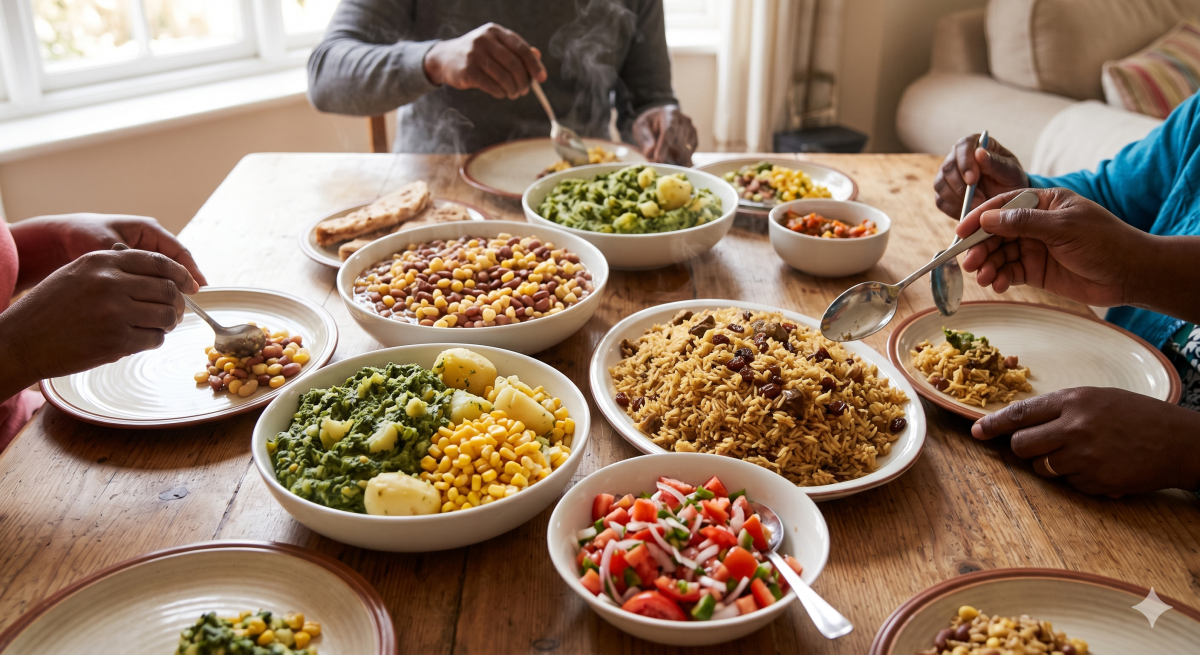
A plate of githeri is not just a meal; for millions of Kenyans, it carries the specific weight of a particular place and a particular time.

Pilau in coastal homes, mukimo in Central Kenya, sima in western communities – each dish functions as a compressed autobiography, carrying within it relationships, seasons, and identity in a way that a photograph or a song simply cannot replicate.
The involuntary nature of food memory is part of what gives it such power. You do not decide to remember. The smell finds you. Because it routes through the amygdala before the analytical brain can intercept it, the emotion arrives first, raw and unfiltered.
Kenyan food culture has always understood this intuitively. The insistence on cooking from scratch, on sharing from a common pot, on teaching the next generation not just how to eat but how to prepare.
All of it builds a library of sensory memory that carries identity across generations.