Advertisement
Foods that are harmful to your pet
02nd July, 2026 10:39 AM
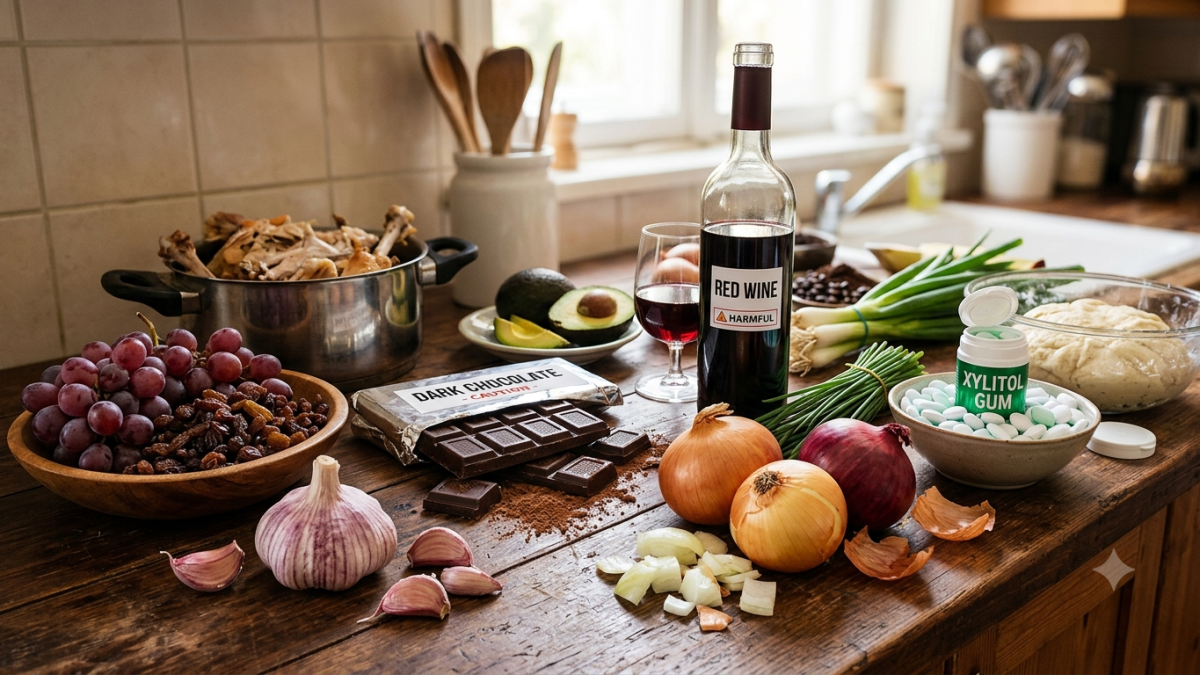
For many pet owners, sharing food with a dog or cat can feel like a simple act of affection. A piece of meat from the dinner plate, a sweet snack from the cupboard or leftovers from the kitchen may seem harmless. However, some common foods can cause poisoning, digestive distress, or long-term organ damage in pets.
Dogs and cats process food differently from humans. Their bodies may struggle to break down certain ingredients, even when the amount appears small. Veterinary organisations, including the American Veterinary Medical Association, advise pet owners to keep several everyday foods out of reach.
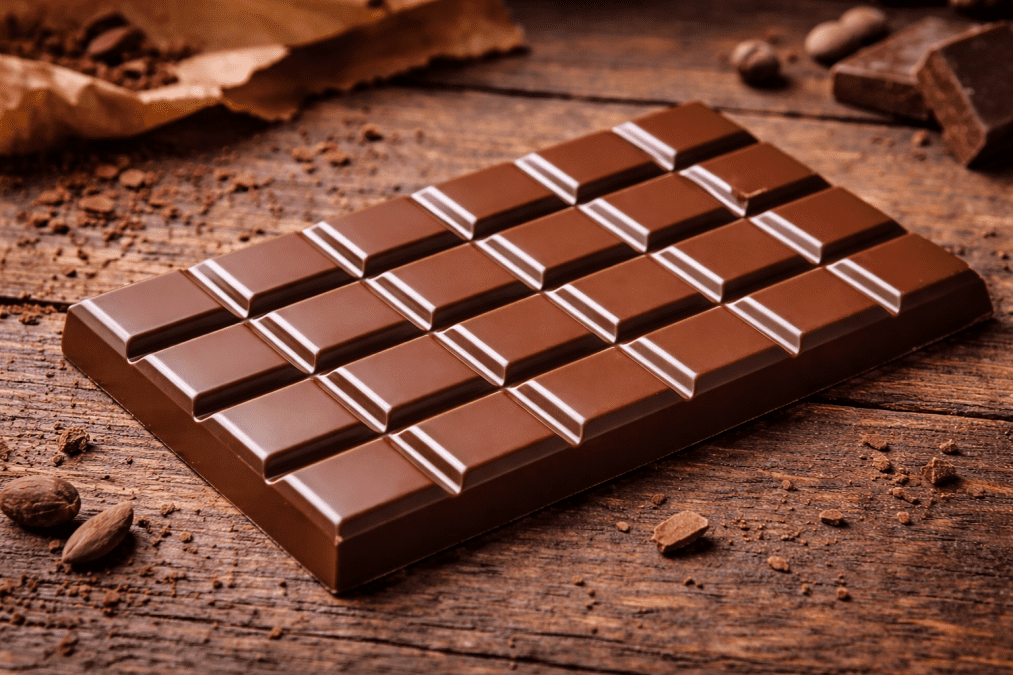
Effects of chocolate
Chocolate is one of the best-known dangerous foods for dogs, but it can also harm cats. It contains theobromine and caffeine, stimulants that animals cannot process as effectively as humans.
According to the Animal Poison Control Centre, when a pet eats chocolate, it may experience vomiting, diarrhoea, restlessness, rapid breathing and an unusually fast heartbeat. In severe cases, chocolate poisoning can cause tremors, seizures, or death. Dark chocolate and baking chocolate are especially dangerous because they contain higher levels of theobromine.
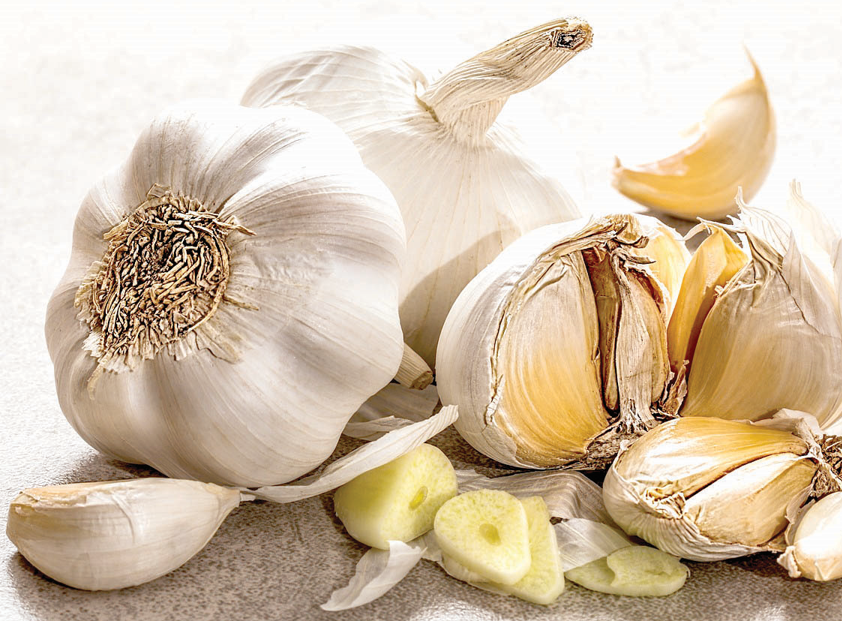
Onions and garlic can damage red blood cells
Onions, garlic, chives, and leeks belong to the Allium family and are unsafe for both dogs and cats. They can be harmful whether raw, cooked, dried or added as powder to food.
These foods can damage red blood cells, reducing the amount of oxygen carried around the body. Over time, this may lead to anaemia. A pet may become weak, tired, lose its appetite, or develop pale gums. Cats are particularly sensitive to onion and garlic poisoning.
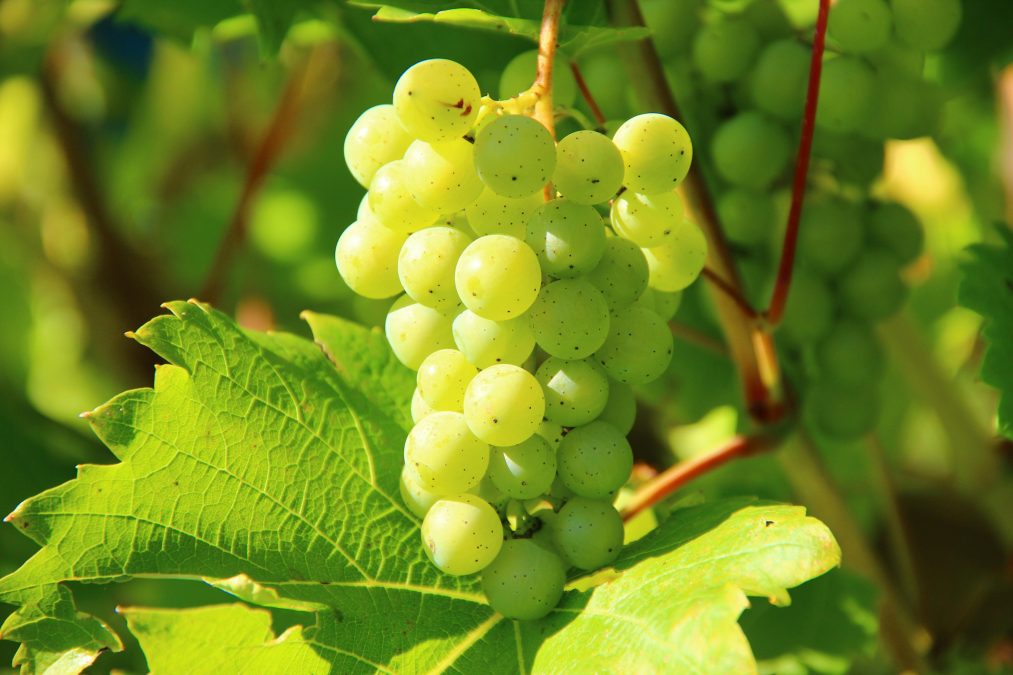
Grapes and raisins can cause kidney failure
Grapes and raisins are risky foods for dogs because even a small amount can trigger sudden kidney injury. The exact substance responsible has not always been clear, but veterinary experts warn that the reaction can be unpredictable.
Signs may include vomiting, diarrhoea, tiredness, reduced appetite and changes in urination. In serious cases, the kidneys may stop working properly. Grapes and raisins should be stored where pets cannot reach them, including those found in cakes, breakfast cereals and trail mixes.
Xylitol can cause a dangerous drop in blood sugar
Xylitol is an artificial sweetener used in sugar-free gum, sweets, toothpaste, baked goods and some brands of peanut butter. It is particularly dangerous for dogs.
According to the United States Food and Drug Administration, after a dog consumes xylitol, the body may release too much insulin. This can lead to a sudden and severe drop in blood sugar, known as hypoglycaemia. The dog may appear weak, sleepy, unsteady, collapse or have seizures. Larger amounts may also cause liver failure.
Pet owners should always check food labels before giving peanut butter or other packaged treats to dogs.
Alcohol can poison pets quickly
Alcohol is unsafe for both cats and dogs, including beer, wine, spirits and foods containing alcohol. Even small amounts can affect the brain, breathing and body temperature.
A pet that has consumed alcohol may become uncoordinated, weak, drowsy or unusually quiet. Severe poisoning can result in breathing difficulties, coma or death. Raw bread dough is also dangerous because yeast can produce alcohol inside the stomach as the dough rises.
Caffeine can overstimulate the body
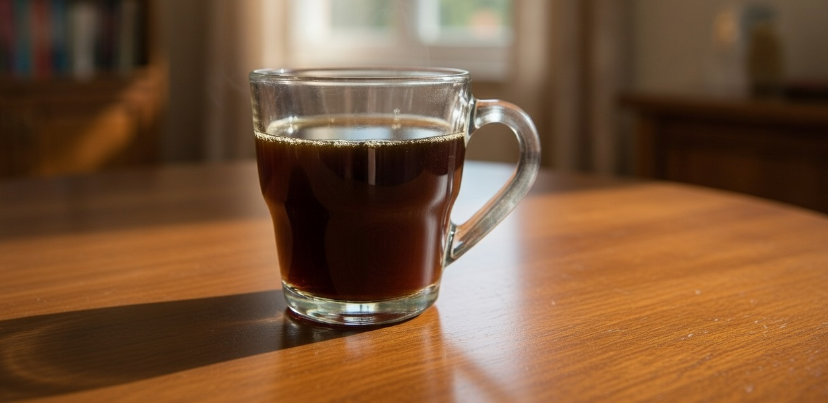
Coffee, tea, energy drinks, cola and some pain medicines contain caffeine, which can overstimulate a pet’s heart and nervous system.
Dogs and cats may develop restlessness, rapid heartbeat, tremors, vomiting and seizures after consuming caffeine. Coffee grounds and used tea bags can be especially dangerous because they contain concentrated caffeine.
Cooked bones can cause choking and internal injuries
Many people believe cooked bones are a natural treat for dogs, but they can be dangerous. Cooking makes bones brittle, meaning they can splinter into sharp pieces when chewed.
These fragments may cause choking, broken teeth, mouth injuries or blockages in the stomach and intestines. In severe cases, sharp bone pieces can puncture internal organs and require emergency surgery.
Protecting pets starts in the kitchen
The safest way to prevent food poisoning is to keep harmful foods stored securely and avoid feeding pets directly from the table. Food scraps should be disposed of properly, particularly after celebrations, baking sessions, and family meals.
If a dog or cat eats food suspected to be toxic, pet owners should contact a veterinary professional immediately. Acting early can make a major difference, especially when symptoms have not yet appeared. A pet’s diet should mainly consist of balanced food made specifically for its age, size and health needs.