Advertisement
Healthy foods that can be shared with your pet
01st July, 2026 12:04 PM
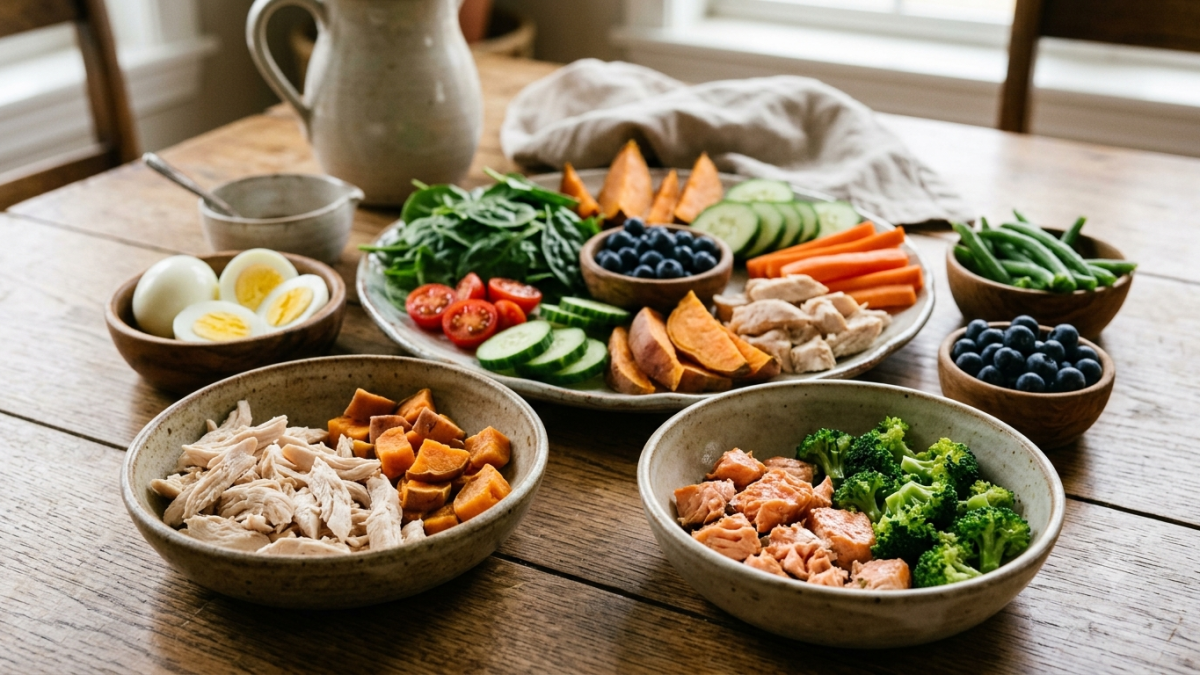
Sharing food with a pet is something many owners do from time to time. Whether it is a curious cat watching from the kitchen counter or a dog waiting patiently by the dining table, it can be tempting to offer them a bite of what you are eating. However, not every human food is suitable for animals.
According to veterinary guidance from the Veterinary Medical Association (VMA), some everyday foods can safely be given to dogs and cats in moderation and may even provide nutritional benefits. Others, however, can be toxic and should never be offered.
Cooked chicken
Plain cooked chicken is one of the safest foods for both dogs and cats. It is rich in high-quality protein, which helps build and repair muscles while providing the energy pets need for their daily activities. It is also easy to digest, making it a suitable option for animals recovering from an upset stomach or illness.
Chicken should always be cooked thoroughly without salt, seasoning, onions or garlic, as these ingredients can be harmful to pets. All bones should be removed before serving to prevent choking or internal injuries.

Cooked salmon
Cooked salmon is packed with omega-3 fatty acids, healthy fats that help maintain healthy skin and reduce inflammation. According to the World Small Animal Veterinary Association,these nutrients also contribute to a shinier coat and support brain and heart health, particularly in aging pets.
Fish should be served fully cooked and free of bones, as raw fish may carry harmful bacteria or parasites. It should be given occasionally rather than replacing a complete pet diet.
Cooked eggs
Eggs contain quality protein together with essential vitamins and minerals that help maintain healthy muscles, support tissue repair and contribute to a strong immune system. They can be a nutritious occasional treat for both dogs and cats.
Raw eggs should be avoided because they may contain harmful bacteria such as Salmonella and can interfere with the absorption of certain vitamins.

Pumpkin
Plain cooked pumpkin or pure canned pumpkin is an excellent source of fibre. It can help relieve mild constipation while also firming loose stools, making it useful for pets experiencing minor digestive problems.
According to Pet Health Advice ,pumpkin also contains vitamins A and C, which support the immune system. Only plain pumpkin should be offered, as sweetened pumpkin pie filling contains ingredients that are unsafe for pets.
Carrots
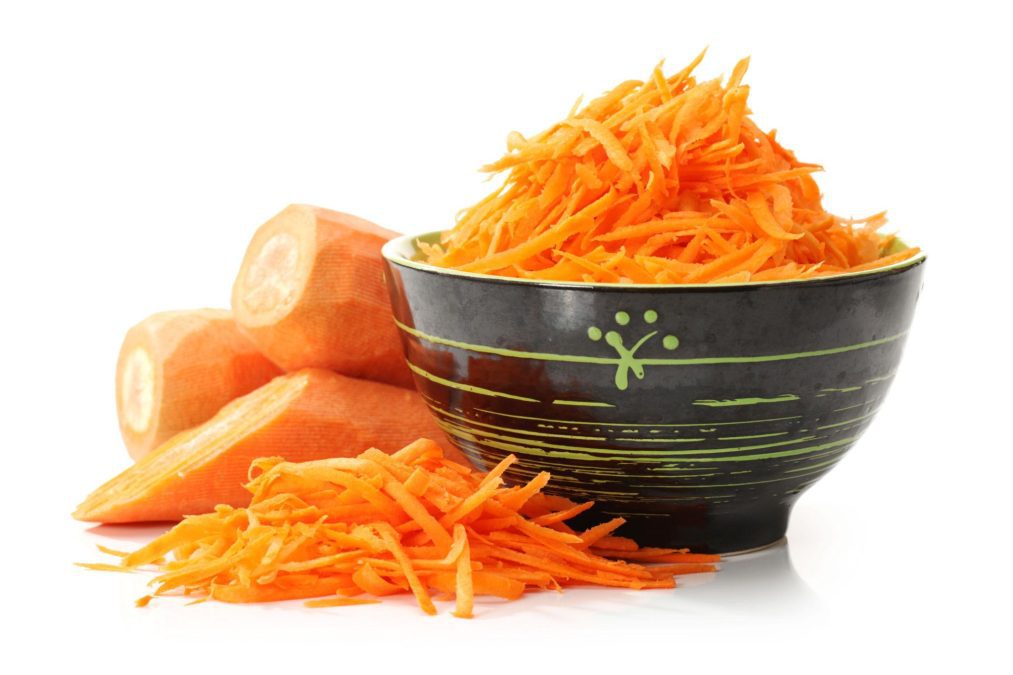
Carrots are low in calories but rich in fibre and vitamin A. Vitamin A supports healthy vision, while the crunchy texture of raw carrots may help reduce plaque build-up on a dog’s teeth. Some cats also enjoy small pieces of cooked carrot, although many are less interested because they naturally prefer meat.
Carrots should always be cut into bite-sized pieces to reduce the risk of choking.
Blueberries
Blueberries contain antioxidants that help protect the body’s cells from damage caused by free radicals. They also provide vitamin C and fibre, supporting the immune system and digestive health.
Most dogs enjoy blueberries as a healthy snack, while some cats may only show occasional interest. They should be given in moderation because too much fruit can upset a pet’s stomach.
Plain rice
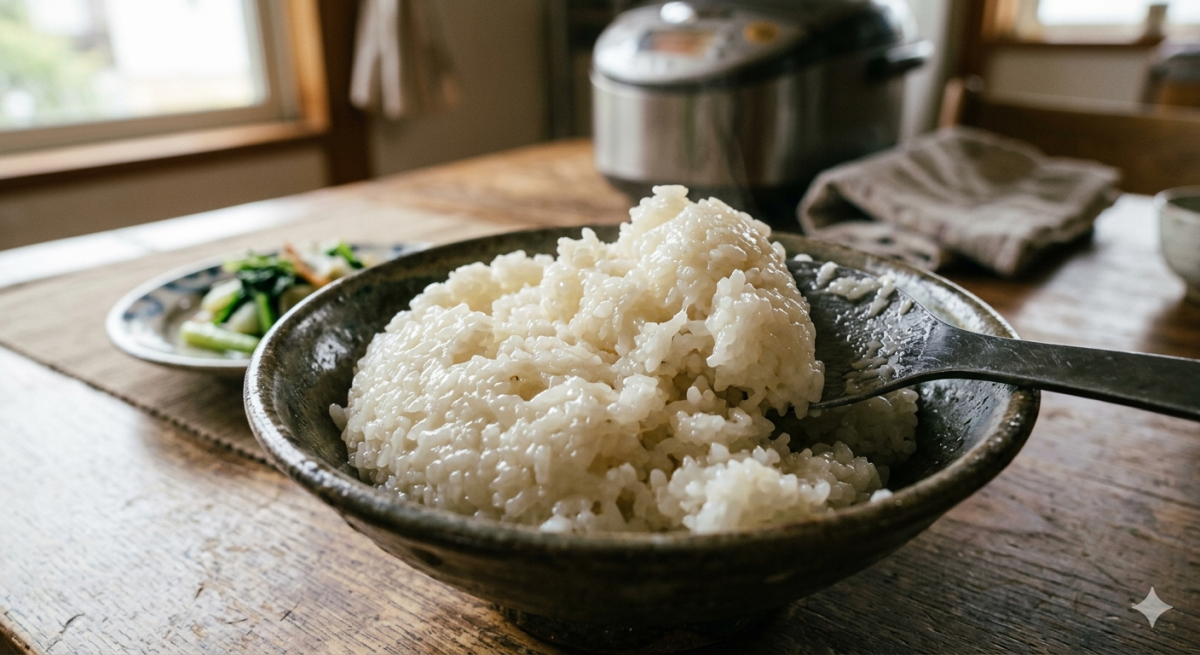
Boiled white or brown rice is often recommended for dogs and cats recovering from mild digestive upsets. It is easy to digest and provides carbohydrates that supply energy while allowing the digestive system to settle. Rice should always be served plain without butter, oil, salt or spices.
A balanced diet remains the best choice
Safe treats can be a rewarding addition to a pet’s routine, but they should never replace a complete and balanced diet designed for dogs or cats. Every animal is different, and some may have allergies or underlying health conditions that affect what they can safely eat. Introducing new foods gradually and seeking veterinary advice whenever there is uncertainty is the safest way to protect a pet’s health while allowing them to enjoy the occasional healthy treat.