Advertisement
Does your diet affect your fertility?
07th May, 2026 08:58 PM

Can the right foods really improve your chances of having a baby? Here are the facts.
Online fertility discussions often focus on what to eat to increase the chances of conceiving. Alongside supplements marketed as fertility boosters, many foods are also claimed to support healthy pregnancy and improve fertility outcomes.
However, the key question is what evidence actually exists to support the idea that specific foods can enhance male and female fertility and support fetal development.
Certain nutrients do play an important role in early pregnancy. One of the most well-established is folic acid. When taken before and during pregnancy, it has been shown to help prevent neural tube defects such as anencephaly, which affects the baby’s brain, and spina bifida, which affects the spine.
Because these conditions develop very early in pregnancy, often before a woman knows she is pregnant, health authorities recommend that all women of reproductive age take 400 micrograms of folic acid daily. Fortifying staple foods like cereals with folic acid has also been shown to reduce risk at the population level, especially in cases of unplanned pregnancies.
Some evidence suggests folic acid may also slightly improve the chances of conception when taken by women trying to get pregnant, although more research is needed to confirm this.
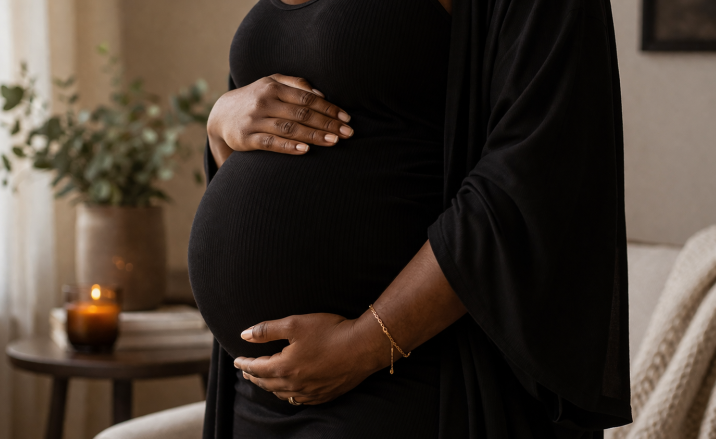
The idea of a specific “fertility diet” is more complex. Infertility can result from many different factors. In women, issues may include problems with ovulation, blocked fallopian tubes, or failure of a fertilised egg to implant in the womb.
In men, fertility is closely linked to sperm quality, including movement, shape, and sperm count. Environmental factors such as pollution may also play a role, while in some cases the cause remains unexplained.
Nutrition does not offer a quick fix, but it can support reproductive health overall. Good nutrition is essential for both partners when trying to conceive.
One of the clearest lessons from research is the impact of malnutrition on pregnancy outcomes. Historical evidence, such as studies from famine periods, shows that poor maternal nutrition can lead to long-term health effects in children, including lower birth weight, increased risk of chronic disease, and reduced life expectancy.
In well-nourished populations, dietary quality still matters. Research has also shown that males’ diet can influence fertility outcomes. For example, studies involving couples undergoing IVF found that higher intake of processed meats was linked to lower fertilisation rates, while healthier protein sources were associated with better outcomes.

Diet may also have effects beyond conception. Research suggests that a father’s nutrition and health can influence the health of future children, partly through shared dietary habits within couples and broader biological effects.
Healthy fats such as those found in nuts, seeds, olive oil, avocado, and oily fish are considered beneficial. In contrast, trans fats found in some processed and fried foods have been linked with reduced fertility.
Plant-based diets have also been associated with improved reproductive health. Studies have found that replacing some animal proteins with plant proteins may reduce the risk of ovulatory infertility in women.
Overall dietary patterns matter more than individual foods. A balanced diet including vegetables, fruits, whole grains, lean proteins, and healthy fats is generally recommended for couples trying to conceive. Nutrients such as iodine are also important for fetal development and thyroid function during pregnancy.
Alcohol consumption is strongly discouraged when trying to conceive or during pregnancy, as there is no known safe level.
Experts emphasise that infertility is complex and cannot be attributed to a single food or habit. While diet plays a supportive role, it is only one part of reproductive health.
Rather than focusing on specific “fertility foods”, health professionals recommend a consistent, balanced eating pattern for both partners.