How washing stretch shirts in hot water ruins shape
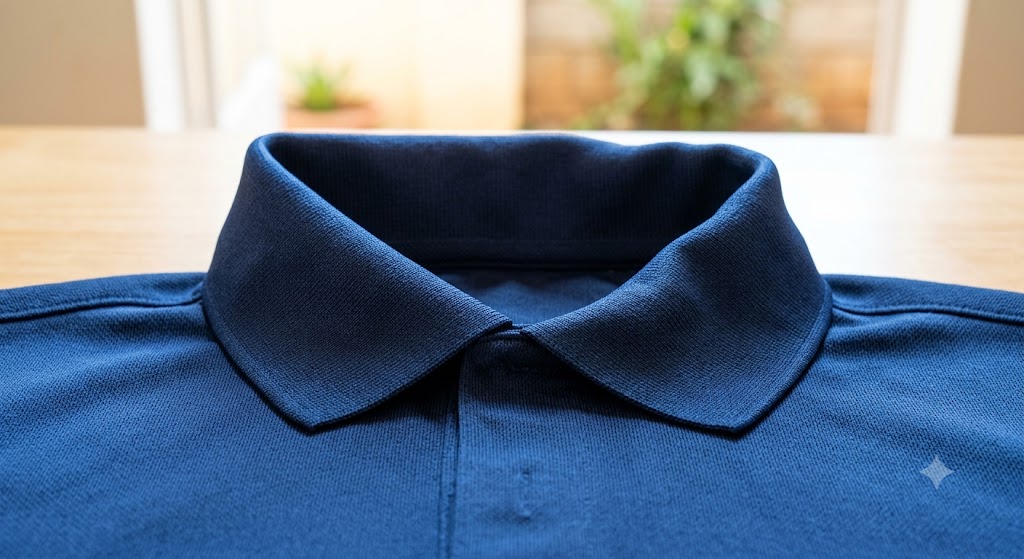
Ever wondered why a favourite fitted shirt or gym top starts looking loose and worn out after just a few washes? Many households wash clothes in hot water, assuming higher temperatures deliver a deeper clean.
While hot water works well for heavy cotton towels or bedsheets, it does the exact opposite for synthetic and stretch fabrics.
What hot water does to stretch fabrics
Most modern stretch clothing combines polyester or nylon with elastane, also known as spandex or Lycra. Elastane acts like tiny rubber bands woven directly into the fabric.
It lets collars, cuffs, sleeves, and waistlines stretch comfortably during movement and snap right back into place afterward.
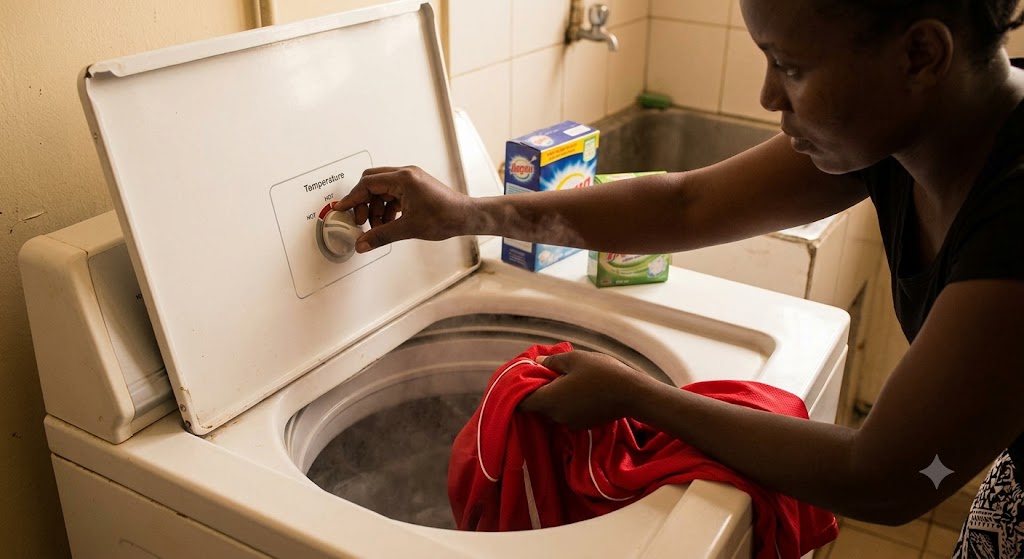
Hot water during a laundry cycle damages these elastic strands. A textile research study published on PubMed Central notes that high heat conditions “cause thermal degradation of spandex, leading to a loss of its elastic recovery properties.”
When those synthetic elastic strands break down under heat, the damage cannot be repaired. The fibres stretch out permanently and lose their spring. As a result, shirt collars start to wave, sleeve cuffs sag, and once-fitted tops hang loosely around the waist.
No amount of ironing, starching, or steam treatments can restore those snapped elastic links.
Easy ways to keep your clothes fitting fresh
Switching to cold water washes is the easiest way to protect stretch clothing and extend wardrobe life. Cold water prevents heat damage to elastane, keeping shirt collars flat and cuffs snug.
Modern washing powder and liquid detergents contain active enzymes designed to lift sweat, dirt, and body oils in cold water just as effectively as in hot water.
Washing on cold also lowers household electricity bills. Heating water consumes the biggest portion of power during a machine wash. By selecting a cold cycle, households cut down power usage and save money every month while keeping clothes looking sharp.
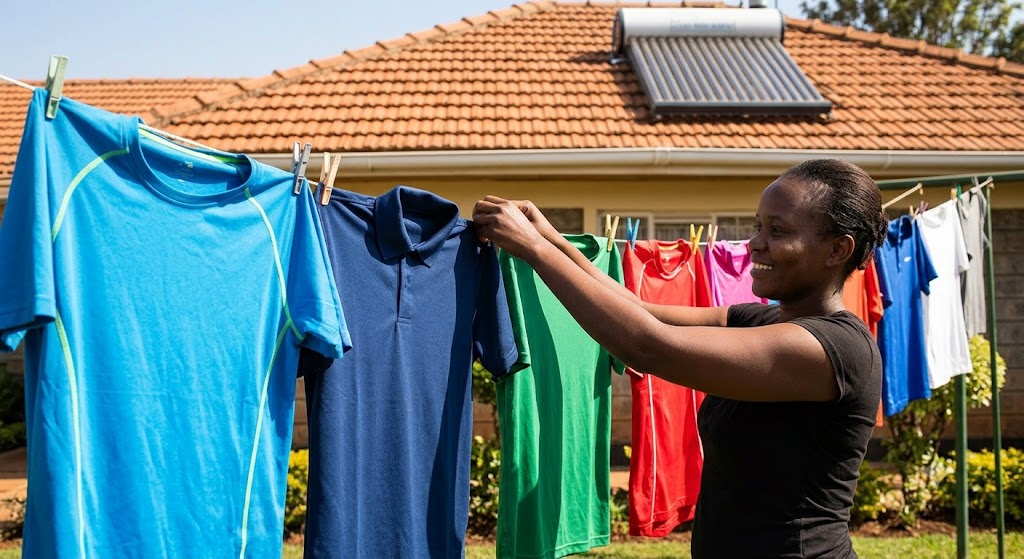
To get the best results, wash stretch items on a gentle cold cycle, turn them inside out to protect the surface, and hang them to air-dry in the shade. Avoiding direct heat from hot water and hot dryer cycles ensures stretch shirts maintain their proper fit and stay comfortable for much longer.