Advertisement
Which is better? A 5G router or cable internet?
08th January, 2026 09:51 AM
The internet has become part of everyday life for many Kenyans. We use it to work, learn, watch movies, run online businesses, and stay in touch with family.
When setting up home internet today, many people find themselves choosing between a 5G indoor router and the usual cable internet. The terms may sound technical, but the difference is actually simple.
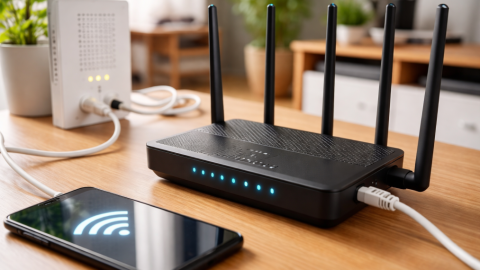
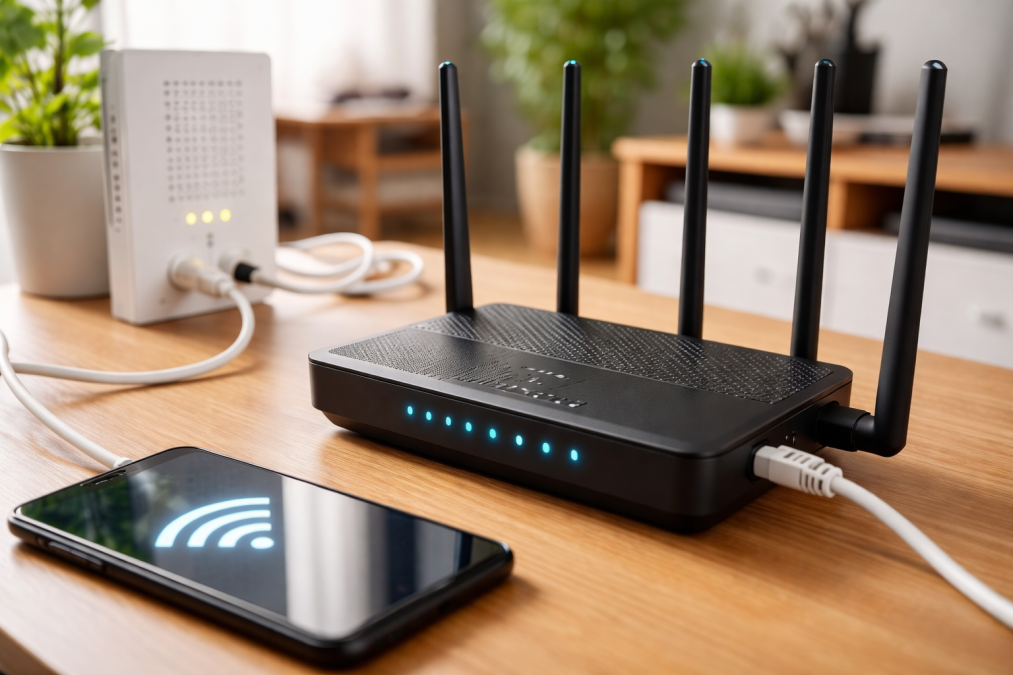
A 5G indoor router works like a strong hotspot. It does not need a cable coming into your house. You insert a SIM card, plug it into power, and it connects to nearby mobile network towers.
Once connected, it provides WiFi to phones, TVs, and laptops in your home. Think of it as using mobile data, but on a bigger device that serves many people at once.
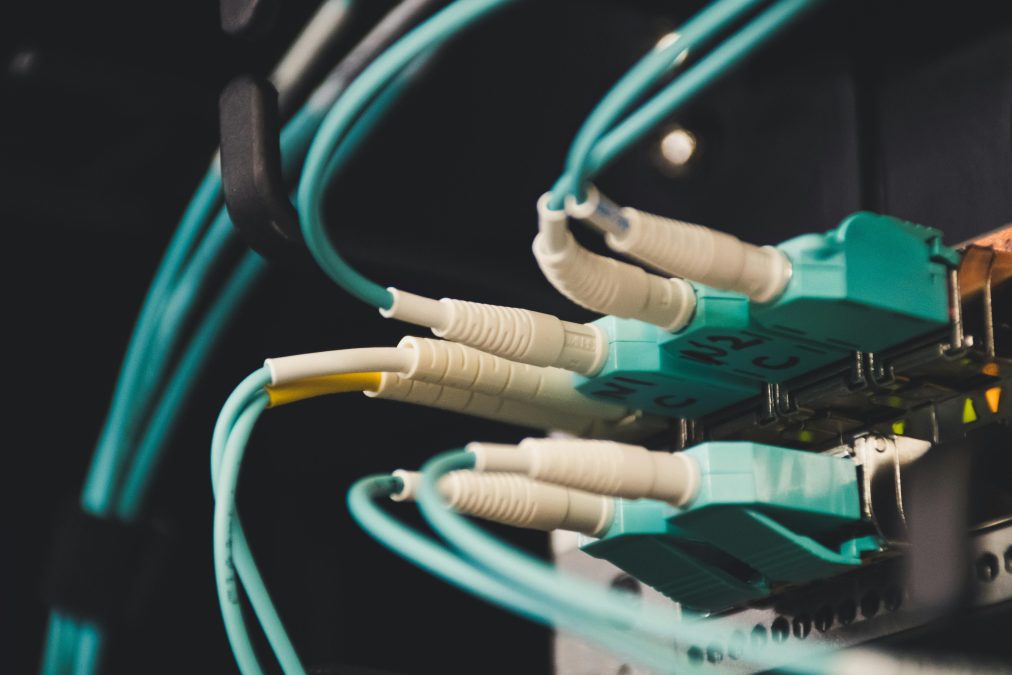
Cabled internet uses a physical wire that is installed in your house. That wire brings internet directly from outside into your home.
A router then spreads the internet through WiFi or cables. This setup takes some time to install, but once done, it stays in place.
The biggest difference many people notice is stability. Cabled internet is usually steady. Once it is working, it rarely slows down unexpectedly.
This makes it good for people who work from home, attend long online meetings, or stream movies for many hours.
A 5G router can be fast, especially when the signal is strong, but it can slow down if many people are using the network around you or if the signal is weak.
Ease of setup is where the 5G router shines. There is no digging, wiring, or waiting for technicians. You can buy it today and start using it the same day.
It is also portable. If you move houses or travel, you can carry it with you. Cabled internet is fixed. Once installed, it stays in that house.
When it comes to cost, the difference depends on usage. A 5G router may be cheaper to start, but heavy use can finish data quickly.
If many people are streaming, downloading, or working online, you may need to top up often.
Cabled internet usually comes with a fixed monthly fee that allows unlimited or very large usage, which is better for families or shared homes.
Coverage also matters. In some areas, cable internet is not available yet. In such cases, a 5G router becomes the practical option. In areas where both are available, the choice depends on how you use the internet.
For someone who lives alone, moves often, or just needs internet for light use like browsing and social media, a 5G router can work well.
For households with many users, online classes, remote jobs, or constant streaming, cable internet is often more reliable.
In simple terms, a 5G router offers convenience and flexibility. Cabled internet offers stability and peace of mind. Neither is wrong.
The best option is the one that matches your lifestyle, budget, and how important uninterrupted internet is in your daily life.