Advertisement
Nairobi fly: What it is and what to do immediately when it touches your skin
07th August, 2026 01:05 PM
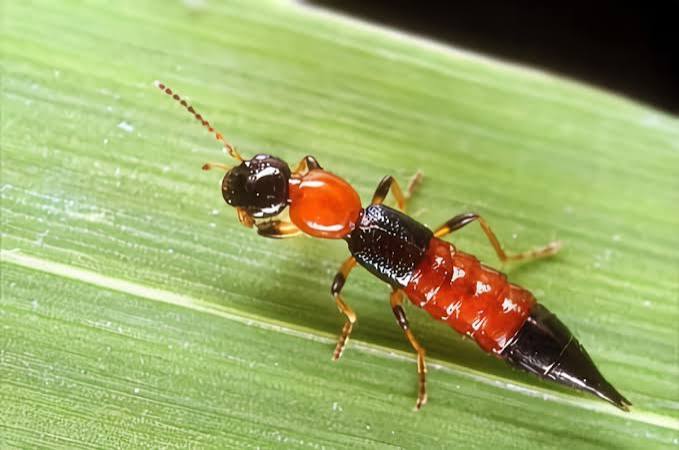
The Nairobi fly is a tiny insect that often appears during the rainy season, especially in areas with thick vegetation and bright outdoor lighting. Although its name suggests it is only found in Nairobi, the insect is common in many parts of East Africa.
It does not bite or sting, yet a brief encounter can leave behind painful skin irritation that many people mistake for a burn or an allergic reaction.
The danger comes when the insect is accidentally crushed against the skin. Rather than attacking people, it releases a toxic substance that irritates the skin, making quick action important.
Why the Nairobi fly causes skin irritation
The Nairobi fly belongs to a group of insects known as rove beetles. Unlike mosquitoes or bees, it does not inject venom through a bite or sting. Instead, the problem begins when it is squashed, releasing a powerful toxin called pederin.
According to health experts, pederin is a highly irritating chemical that causes a condition known as dermatitis linearis. The toxin can remain on the skin and even spread to other parts of the body through the hands, clothing, or towels if it is not washed off promptly.
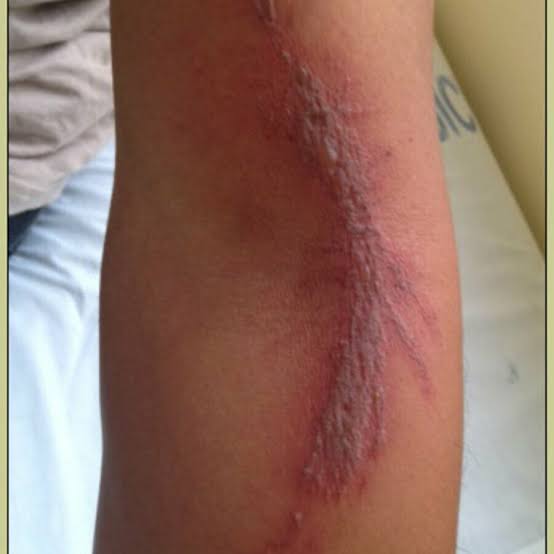
The irritation may not appear immediately. In many cases, the affected area begins to feel warm or slightly uncomfortable before redness and inflammation become more noticeable several hours later.
Rash symptoms to watch out for
The first signs are often a burning or stinging sensation followed by redness. As the reaction develops, the skin may become swollen and painful, with blisters forming in the affected area. Some people also experience itching and tenderness, while others notice streak-like marks where the toxin spread across the skin.
According to the Cleveland Clinic, the rash caused by pederin can closely resemble a burn because of the redness and blistering it produces. Although the appearance can be alarming, the condition is usually limited to the area exposed to the toxin and often heals within one to three weeks. In some cases, the skin may temporarily become darker before gradually returning to its normal colour.
If the toxin reaches the eyes, it can cause severe irritation, redness and swelling of the eyelids, requiring immediate medical attention.
What to do immediately after contact
The most important thing is not to crush the insect if it lands on your skin. Instead, gently blow it away or remove it carefully using a piece of paper or clothing.
If the insect has already been crushed, wash the affected area immediately with plenty of soap and clean running water. This helps remove as much of the toxin as possible before it causes further irritation.
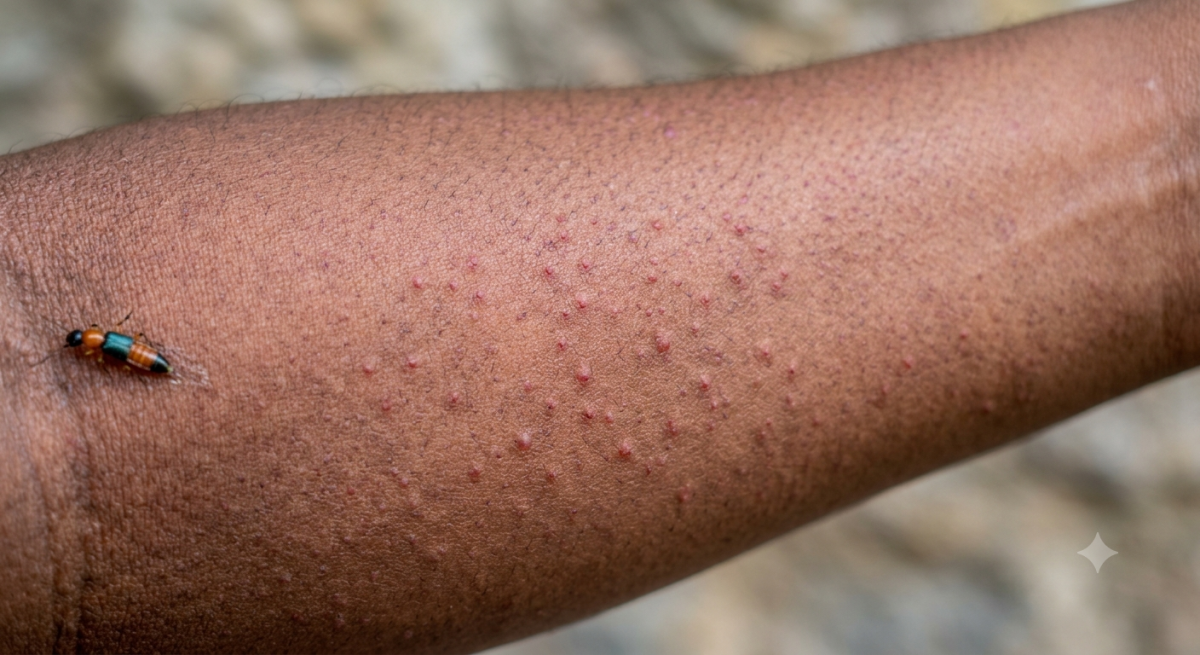
According to the Centers for Disease Control and Prevention (CDC), early washing of the affected skin is one of the most effective first-aid measures after contact with an irritant. Keeping the area clean, avoiding scratching and preventing the toxin from spreading to other parts of the body can help reduce the severity of the reaction.
If the rash becomes widespread, develops signs of infection such as pus or increasing pain, or if the eyes are affected, medical treatment should be sought promptly. A healthcare provider may recommend soothing creams, topical corticosteroids to reduce inflammation or antibiotics if a bacterial infection develops.
How to prevent Nairobi fly skin burns
Preventing contact with the Nairobi fly starts with keeping the insects out of living spaces. Since they are attracted to bright lights at night, reducing unnecessary outdoor lighting, closing windows after dark, and using insect screens can help lower the chances of them entering homes.
People living near farms, gardens or areas with dense vegetation should also check bedding, towels and clothing before use, especially during the rainy season when the insects are more common. Wearing long-sleeved clothing while outdoors can provide an extra layer of protection.
Although the Nairobi fly is small, the skin reaction it causes can be painful if ignored. Recognising the insect, avoiding crushing it and washing the skin immediately after accidental contact are simple steps that can make a significant difference. With prompt care and proper treatment when needed, most people recover fully without lasting complications.