Advertisement
Njugush, Phil and Mammito detail what is ailing Kenya’s creative economy
29th April, 2026 01:40 PM

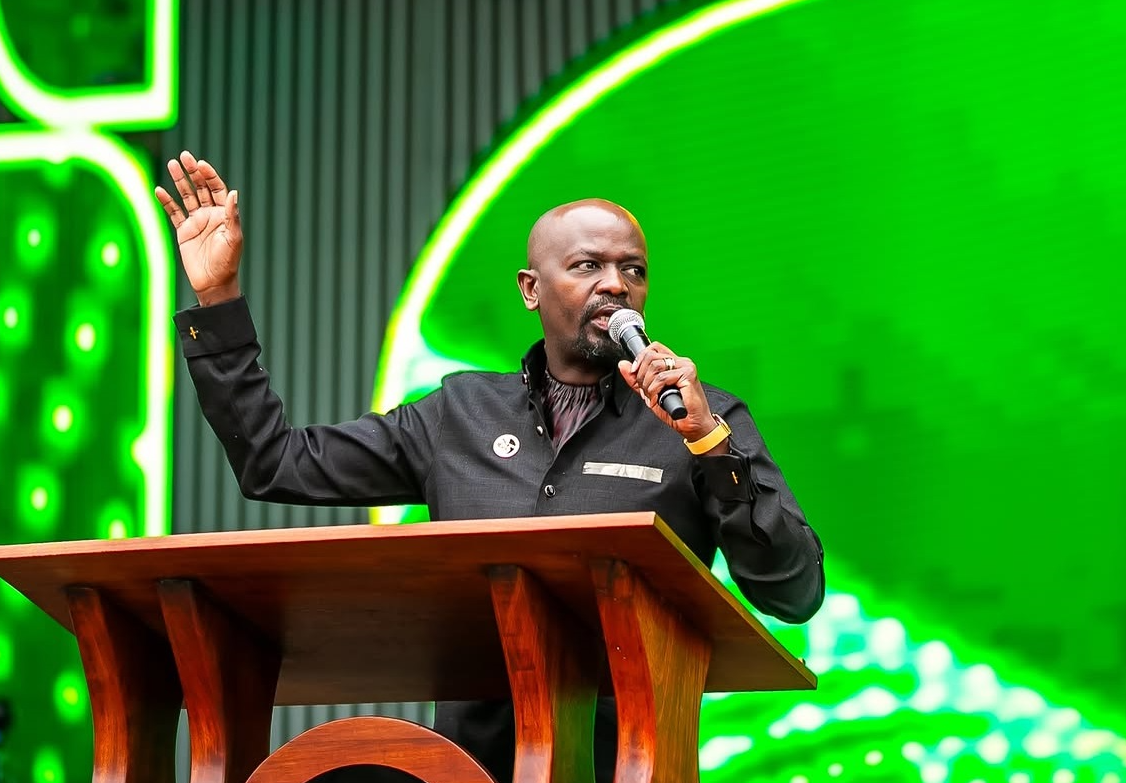
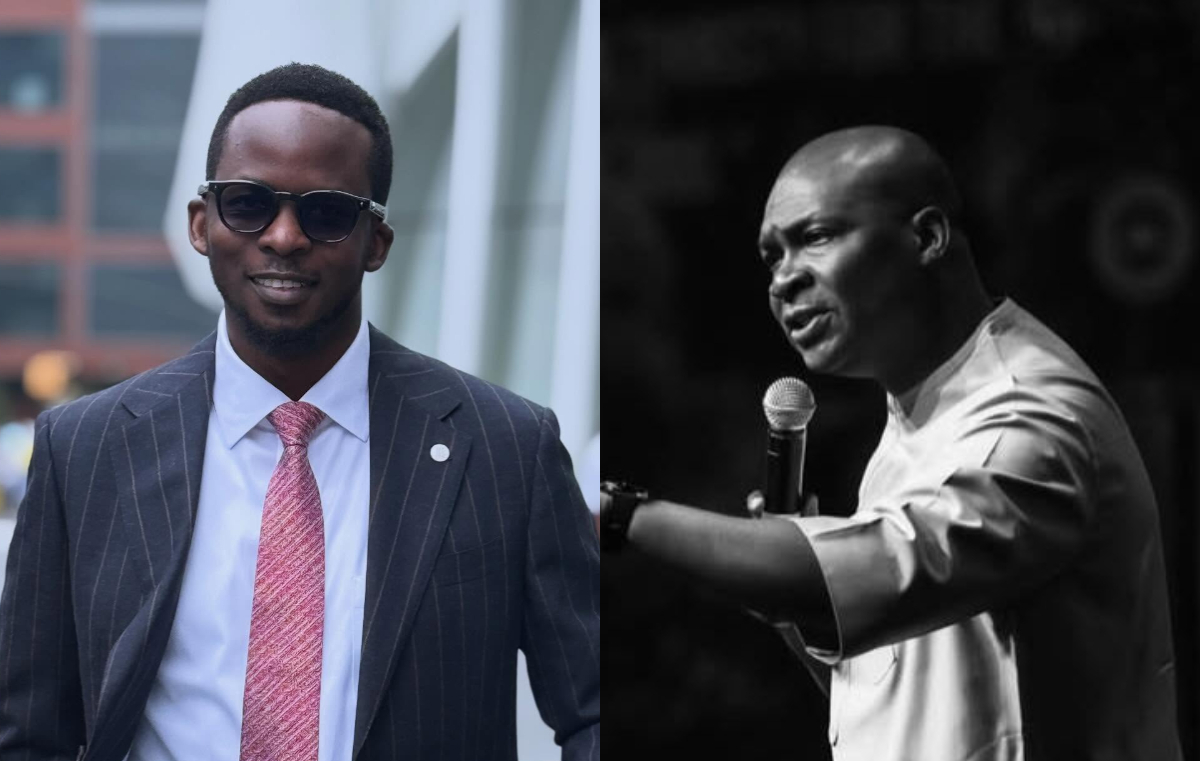
Kenya’s creative economy is growing. That much, comedians Timothy Kimani, Mammito Eunice and filmmaker Philip Karanja all agree on. What they also agree on is that the system surrounding it is failing the very people driving it.
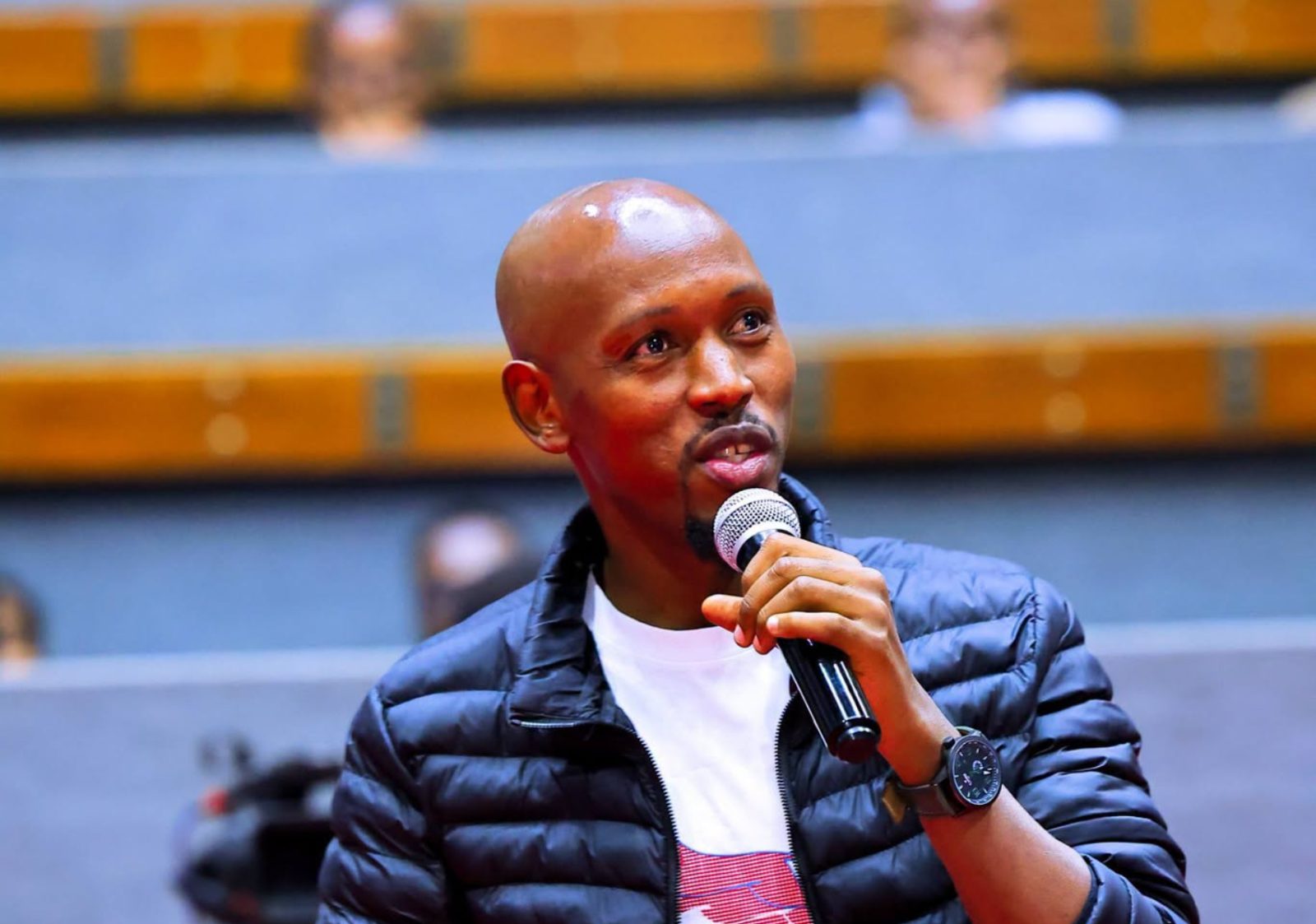
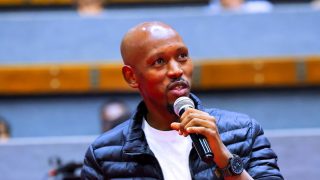
Speaking to a local TV station on Tuesday night, April 29, 2026, for a panel discussion on Kenya’s creative economy, the three did not hold back.
The platforms are not paying
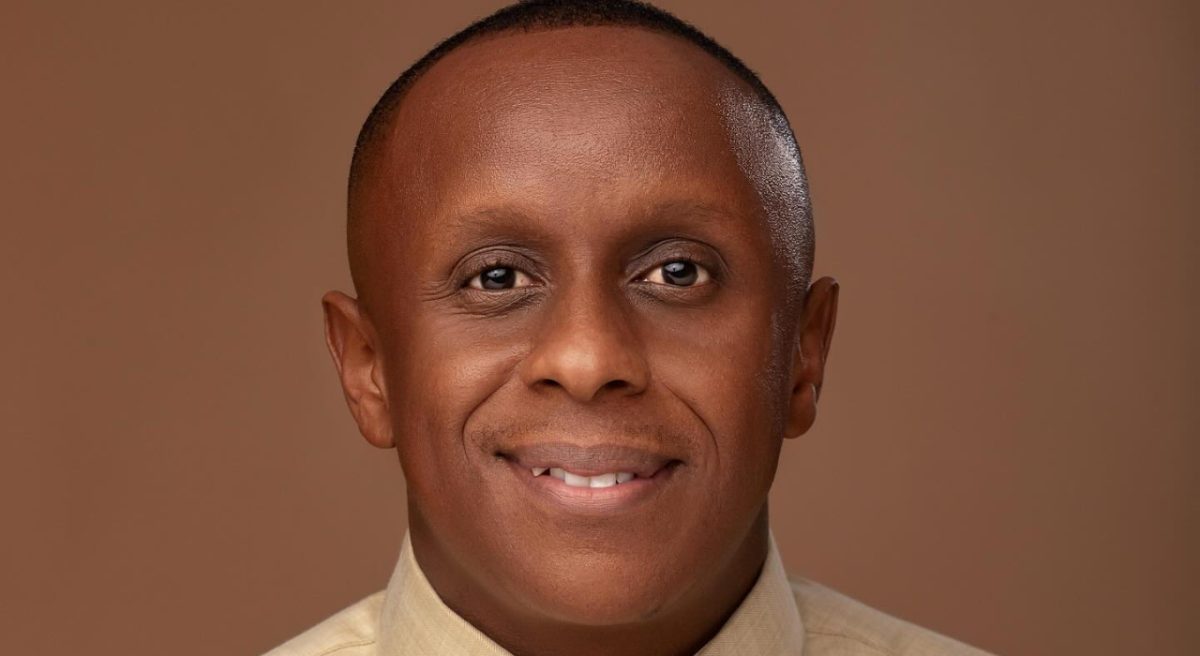
Philip Karanja, CEO of Phil-It Productions, made one of the more pointed revelations of the night: Kenya was first in Africa to unlock Facebook monetisation, following direct government-facilitated meetings with TikTok, Alphabet and Google at the start of President Ruto’s administration.
Then things stalled.
“After maandamano (protests), the current government is not very keen on growing that social media space,” Karanja said. “TikTok recently started monetising in Rwanda and we started the conversations way before them.”
His frustration was clear. Right now, the only platforms paying Kenyan content creators are YouTube and Facebook. TikTok and Instagram are not. For a country where millions create content daily, Karanja said the gap is significant.
“Mammito and Njugush create content that amasses more numbers than creators from the US, but they don’t earn the same,” he said. “Just a policy review and government says, for all these platforms operating in Kenya, you’re going to pay these rates. You change that policy immediately, how many Kenyans are creating content on TikTok? If TikTok starts paying Kenyans today, immediately you have hundreds of thousands of Kenyans earning.”
Bills, taxes and government optics
Timothy Kimani, popularly known as Njugush, was equally direct when the conversation turned to the Creative Economy Bill 2026 and the government’s Talanta Hela initiative.
“They are good on paper,” he said. “Just like we have the best constitution in the world but nothing happens.”

He went further, questioning whether government engagement with creatives is genuine or performative.
“Where else would they get free marketing so to speak? When I call a group of creatives and we are seen laughing, people say, ‘Oh serikali kumbe inafanya kitu about the youth (the government is actually doing something for the youth).'”
Njugush also raised the issue of double taxation, noting that many creators already operate registered companies and pay corporate tax. A separate digital creators levy, he said, amounts to taxing the same income twice.
His solution: put people with creative industry experience inside the institutions making decisions. “We go to hospitals, you find doctors there. When you’re talking about roadworks you have an engineer at the heart of it. Creatives should be involved the same way.”
Mammito, who also opened up to being labelled crazy due to her skits, backed the call for less talk and more action. “I’m happy the government is shining a light on the creative economy,” she said. “Hopefully it will be less talk, more action.”
The deeper problem: distribution
Karanja also pointed to a broader structural issue, drawing on South Korea as a case study. After its 1997-98 economic crash, South Korea spent 25 years deliberately investing in creative arts and is now among the world’s top 15 economies.

“Culture leads and commerce follows,” he said. “The government should look at creative arts as a way to market this country, not as a way to make money from it.”
He pointed to Nigeria’s Afrobeats as the clearest regional example: a music export that has made Nigerian products, accents and culture familiar globally, opening commercial doors far beyond entertainment.
Kenya, the three agreed, has the talent. What it lacks is infrastructure, policy and the will to match.