Advertisement
Hackers steal maternity ward CCTV footage from hospital, sell it on Telegram
17th November, 2025 10:59 AM

Hacked CCTV videos from a maternity hospital in India have been sold on Telegram, police say, raising serious questions about privacy and security in a country where such cameras have become commonplace.
In early 2025, police in Gujarat state were alerted by the media to videos on YouTube – some showed pregnant women undergoing medical exams and receiving injections in their buttocks – in a maternity hospital in a city.
The videos had a link directing viewers to Telegram channels to buy longer videos.
The director of the hospital told the BBC that the cameras had been installed for the safety of doctors. The BBC is not naming the city or hospital to protect the identity of the women in the videos. None of them has filed a police complaint.
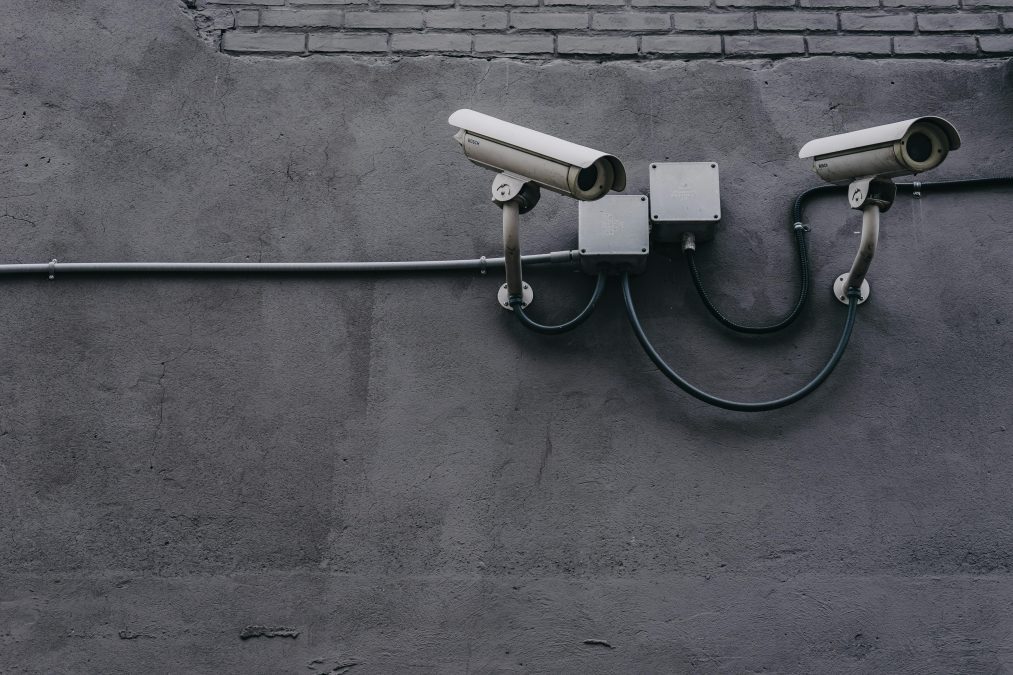
Police say their investigation uncovered a massive cybercrime racket where sensitive footage from at least 50,000 CCTVs from across the country was stolen by hackers and sold on the internet.
CCTVs have become ubiquitous in India, especially in urban areas. They are installed in malls, offices, hospitals, schools, private apartment complexes, and even inside people’s homes.
Experts warn that while CCTV boosts security, poorly installed or managed systems can threaten privacy. In India, cameras are often handled by staff without cybersecurity training, and some domestically manufactured models said to be easily exploitable.

In 2018, a tech worker in Bengaluru city said that his webcam was hacked, and that the hacker demanded payment in exchange for not sharing his private videos. In 2023, a YouTuber reportedly found out that his home CCTV had been hacked after private videos went viral.
In 2025, the federal government asked states not to procure CCTVs from suppliers with a history of security and data breaches, and also introduced new rules to improve the cybersecurity of CCTV cameras. But hacking incidents like these are still reported.
In Gujarat, police say they ended up discovering a “network of individuals spread across the country”.
“[They] were hacking into the video surveillance systems – or CCTV systems – of hospitals, schools, colleges, corporate offices and even the bedrooms of private individuals in multiple states,” Lavina Sinha, who heads the Ahmedabad cyber crime department investigating the case, told reporters.
Surging cyber crimes
Hardik Makadiya, Gujarat’s top cybercrime official, says videos were sold for about Ksh2,920 with Telegram channels offering live CCTV feeds via subscription.

Police have registered a case under various sections of the law, including violating a female patient’s privacy, publishing obscene material, voyeurism, and cyber terrorism, which is a non-bailable offence. They say that they reached out to Telegram and YouTube, and the videos have been taken down.
Since February 2025, police have arrested eight people in the case – four from Maharashtra and others from Uttar Pradesh, Gujarat, Delhi, and Uttarakhand. They remain in judicial custody as the case proceeds in court.
Yash Koshti, lawyer for three of the accused, denied the accusations, saying they were not hackers or cyber criminals and that someone else carried out the breach.
Cybercrime investigator Ritesh Bhatia warns that weakly protected CCTV and home networks are easy targets and must be properly secured.
“Wireless CCTV systems help you access the footage remotely, like on your smartphone or laptop. But once a system is connected to the web, it’s easy for hackers to decode its IP address and default password. And once they get into the system, they can see or record live footage, download it or even shut down the system,” Bhatia says.