Advertisement
Cop30: Why rich countries have lost enthusiasm for tackling climate crisis
10th November, 2025 09:27 AM
Rich countries have lost enthusiasm for combating the climate crisis while China is surging ahead in producing and using clean energy equipment, the president of the UN climate talks has said.
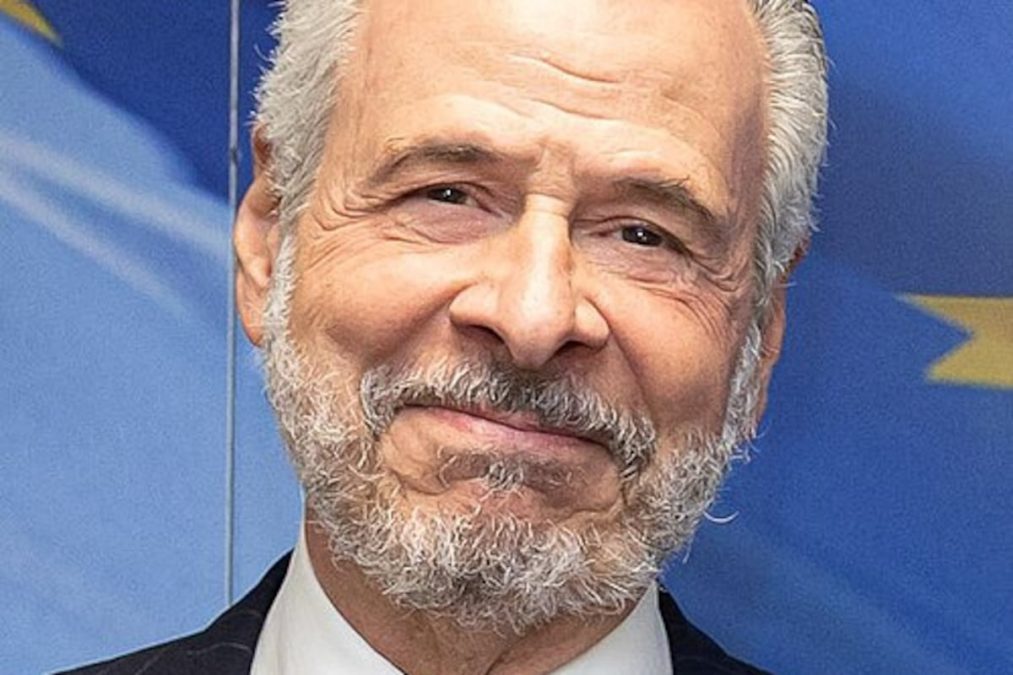
More countries should follow China’s lead instead of complaining about being outcompeted, said André Corrêa do Lago, the Brazilian diplomat in charge of the Cop30 conference, which begins on Monday, November 10, 2025.
Also Watch: Kenya Poised to Host Second Africa Climate Summit as Ruto Calls for Stronger Climate Action
“Somehow the reduction in enthusiasm of the global north is showing that the global south is moving,” Corrêa do Lago told reporters in Belém, the city in the Amazonian rainforest where the fortnight-long Cop30 conference is taking place. “It is not just this year; it has been moving for years, but it did not have the exposure that it has now.”
He pointed to the world’s biggest emitter of greenhouse gases, China, which is also the biggest producer and consumer of low-carbon energy.
“China is coming up with solutions that are for everyone, not just China,” he said. “Solar panels are cheaper; they’re so competitive [compared with fossil fuel energy] that they are everywhere now. If you’re thinking of climate change, this is good.”
Ministers and high-ranking officials from 194 countries will seek to forge plans at Cop30 to stay within, or as close as possible to, the limit of 1.5 °C of heating set out in the Paris agreement, to set a roadmap to phase out fossil fuels, and to ensure that poor countries receive the help they need.
Top of the agenda will be national plans on cutting greenhouse gas emissions, which currently would lead to a devastating 2.5C of heating. Vulnerable countries want to draw up a plan that will show how countries can outdo their current inadequate efforts and meet the Paris agreement targets.
Ilana Seid, Palau’s ambassador to the UN and a spokesperson for the Alliance of Small Island States (Aosis), said setting out a global pathway to deeper emissions cuts would be key. “Progress so far has been insufficient, and we have to have a response,” she told the Guardian. “Otherwise, we don’t know where we are going.”
The Brazilian hosts are focused on “implementation” – that is, putting into practice commitments that have already been made, such as cuts to greenhouse gas emissions, a tripling of renewable energy by 2030, and a doubling of energy efficiency. But Aosis wants more than this, arguing that without policies to cut emissions faster, the target of limiting heating to 1.5C °C will be lost.
“The 1.5C °C target must be our north star,” Seid said. “We need to say that collectively we are falling short on that, and we need to have a response.”
Poor countries also want assurances that they will receive promised funds to protect them against the impacts of climate breakdown. A roadmap to move the world off fossil fuels will also be under discussion.
But, despite efforts by Brazil over more than six months to avoid a fight at the conference opening over what should be on the agenda, bitter disagreements over what the conference should focus on and what should be off the table are still likely.
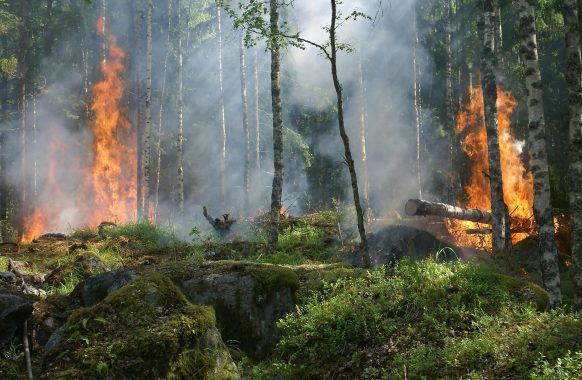
As the conference begins, the Guardian can reveal that one key climate pledge is already being undermined. At Cop26 in Glasgow in 2021, the UK, the US, the EU, and other countries forged the global methane pledge, requiring a cut in methane of 30 per cent by 2030. About 159 countries subsequently signed up.
Yet emissions from some of the main signatories have increased, data from the satellite analysis company Kayrros shows, which is likely to further raise global temperatures. Collectively, emissions from six of the biggest signatories – the US, Australia, Kuwait, Turkmenistan, Uzbekistan, and Iraq – are now 8.5 per cent above the 2020 level.
Kuwait and Australia have made progress on cutting their emissions, but emissions from US oil and gas operations have increased by 18 per cent.
Antoine Rostand, the president of Kayrros, said: “Despite the promises made year after year, despite the worsening state of the climate, methane emissions are rising. Our analysis makes that painfully clear. Can we expect things to change? We must at least hope they do. The clock is ticking.”