Advertisement
WRC Safari Rally 2026: Stage guide for drivers and spectators
12th March, 2026 08:09 AM
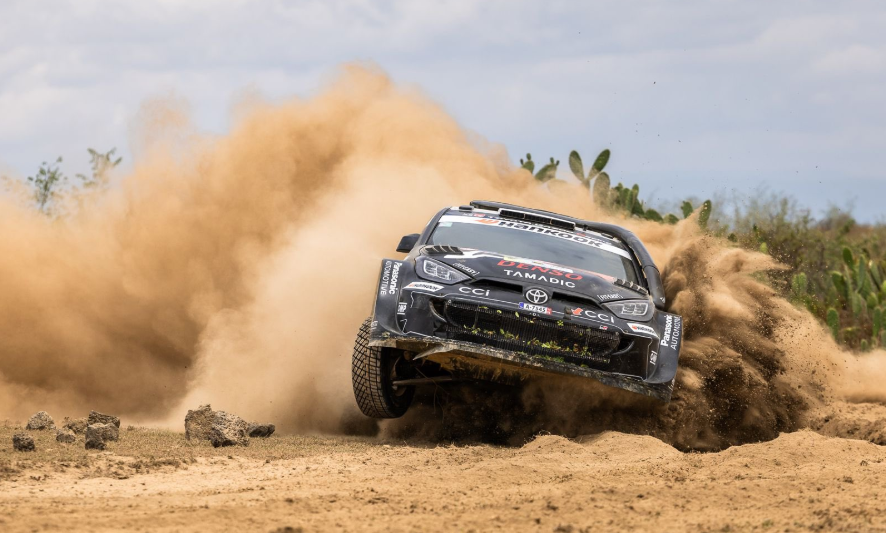
Featuring a streamlined timetable that includes 20 competitive stages spread across four days, the 2026 edition of the World Rally Championship (WRC) Safari Rally Kenya 2026 will require drivers to be fully focused right from the opening kilometre, as spectators anticipate a breathtaking experience from Thursday, March 12, to Sunday, March 15, 2026, in Naivasha.
Shakedown – Nawisa
The shakedown stage debuts this year and is situated just across from the rally’s Service Park in Naivasha. The route starts with an uphill stretch along a moderately wide road that is both sandy and uneven.
At roughly 1.47km, drivers enter a quarry section surrounded by rocky scenery similar to landscapes seen in Saudi Arabia. Once out of the quarry, competitors face a tight and rough stretch at 2.35km, characterized by a narrow and bumpy track before reaching a junction where the road becomes wider. The remainder of the stage varies in surface condition, including quicker downhill sections.
SS1/SS3 – Camp Moran
Introduced in 2025, Camp Moran incorporates parts of what was once the Sleeping Warrior route, though the distance has been reduced for 2026. The stage is known for being extremely technical and rugged. Between 11km and 21km, drivers encounter particularly rocky terrain with continuous changes in elevation, dips, and bumps that demand precise handling.
SS2/SS10 – Mzabibu
Located within the vineyards of Morendat Farm, the opening 4.3km features narrow and demanding paths that wind past small trees and shrubs. This is followed by a high-speed segment along a slim road with grass growing down the centre. At 5.9km, the track becomes slower and rougher. The final portion returns to grass-lined roads with uneven patches and concludes at a newly introduced finish point.
SS4/SS9 – Loldia
Although a new rugged section had initially been planned for this stage, it was eventually removed, leaving the route unchanged from the previous year. The opening kilometres combine straight stretches and intersections across roads of different widths. From 3.75km to 8km, the terrain becomes slower and more technical as drivers climb a narrow uphill section. After 8.2km, the route descends through twisting and rough ground until 11.5km, after which the road widens and speeds increase, resembling the character of the stage’s opening portion. In 2021, Thierry Neuville retired from the rally here after damaging his suspension while leading.
SS5/SS8 – Geothermal
The stage begins on a narrow, bumpy road before transitioning onto a broader and smoother surface. Around 4km, rough segments emerge. At 5.2km, the road tightens again and becomes rougher for nearly a kilometre before improving once more. At 7.9km, the route merges with a wider and smoother road filled with cambered corners, a layout that resembles rallies such as Rally Mexico or Acropolis Rally more than the traditional Safari stages.

SS6/SS7 – Kedong
This stage introduces a new opening section featuring rugged terrain with many rocky patches, dips, and bumps. About half of the route has been redesigned for this year, combining narrow high-speed sections linked by several junctions. It also includes the famous Mbili jump, where rally cars soar dramatically into the air and often land at awkward angles.
SS11/SS14 – Soysambu
This stage is run in reverse compared with previous years and closely mirrors the 2024 configuration. A previously rough and rocky section has been removed. The route alternates between long, fast straights in open areas and tighter, rougher roads. The final 1.5km is particularly technical, beginning after a long straight at 22.3km, with slow sweeping corners leading through a popular spectator area. In 2024, Grégoire Munster broke the suspension of his Ford Puma Rally1 here, while Gus Greensmith rolled out of the rally at the same location in 2022.
SS12/SS15 – Elmenteita
The stage will run in the opposite direction from last year and incorporates several new sections, including freshly ploughed roads near the finish. It starts across open ground with fast sections on narrow tracks where grass grows along the centre. After a junction at 10km, the route becomes smoother while passing alongside Lake Elmenteita. At 12km, it turns rough and technical again as drivers pass through a forest area before emerging onto wider roads that combine speed, dips, and bumps.
SS13/SS16 – Sleeping warrior
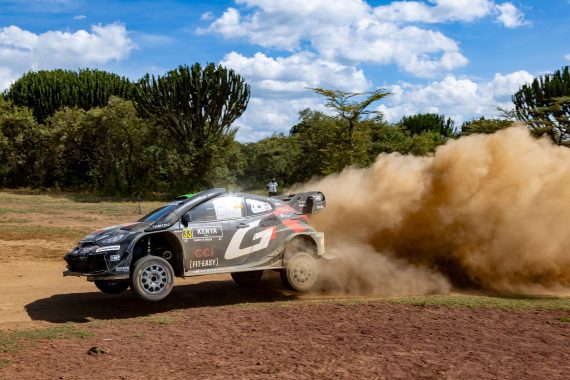
One of the rally’s most famous stages, Sleeping Warrior takes its name from a nearby mountain that resembles a Maasai warrior lying on his back. Some opening sections from the 2025 version have been removed, and the rough finish has also been eliminated. The revised start features a long straight that reconnects with last year’s route. Two additional long straights follow before a junction leads onto a rougher stretch. At 8.3km, drivers pass through a fast but uneven forest section filled with dips and bumps. After a hairpin at 12.3km, the route returns to open terrain with a fast and flowing conclusion. Weather conditions here can change suddenly, with rainfall previously creating dramatic moments.
SS17/SS19 – Oserengoni
The stage opens with 2km of tight, technical driving on a narrow and bumpy road through forest. After a junction, the route moves onto a faster section outside the forest. At 4km, a very long straight begins, stretching almost 2km before the course narrows again into a slower technical segment. The stage speeds up again at 12.4km, ending with a rough section followed by another extended straight.
SS18/SS20 – Hell’s gate
This stage is driven entirely on a road of medium width and ranks among the fastest of the rally. Between 5km and 7km, large rocks have previously been dragged onto the racing line, making the section particularly hazardous. The closing kilometres are run on an open stretch that includes a tricky junction just before the finish line. Takamoto Katsuta crashed and rolled at this location during the 2025 rally.