Advertisement
Why national teams should utilise local soccer academies ahead of major tournaments
18th February, 2026 09:37 PM
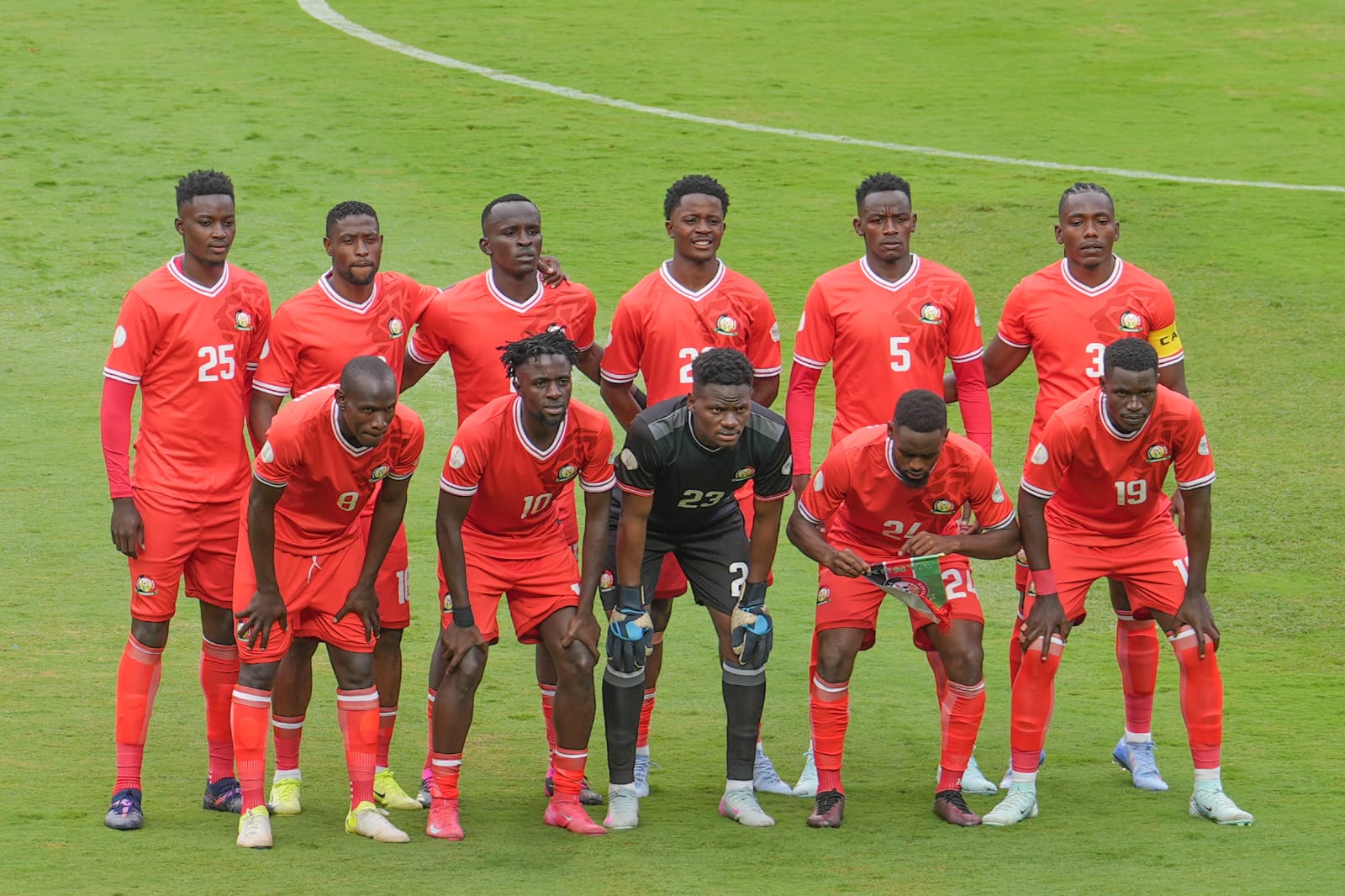
As Kenya counts down to the 2027 Africa Cup of Nations, attention has largely centred on stadium upgrades, transport networks and hospitality readiness.
Yet beyond bricks and mortar lies a more decisive factor in determining success on home soil: the strength of the country’s youth development pipeline.
For Harambee Stars to compete effectively at the 2027 tournament and future regional and global competitions, preparation must begin years before kickoff. That preparation does not start in senior team camps; it begins at the academy level.
Building sustainable talent pipeline
Across Kenya, privately run football academies are steadily transforming how young players are identified and nurtured. These institutions offer structured coaching, tactical education and mentorship that go beyond informal street football or sporadic school competitions.
Currently, national team call-ups often rely heavily on standout performances in secondary school tournaments, foreign-based players or the Kenya Premier League. While these platforms remain important, modern football demands earlier and more systematic development.
Players today must be tactically intelligent, physically conditioned and mentally resilient long before they reach senior club level.
Academies provision
Early talent identification and long-term player monitoring
Professional training environments with consistent schedules
Tactical grounding aligned with modern football systems
Nutritional guidance and physical conditioning programs
Exposure to competitive platforms and scouting pathways
Such systems ensure that by the time a player reaches the top tier or national team radar, their foundation is already solid.

Preparing for AFCON and beyond
Hosting the 2027 Africa Cup of Nations will place Kenya under intense scrutiny. Competing in front of home fans brings both opportunity and pressure. The temptation may be to focus on short-term fixes, recruiting foreign-based professionals or accelerating senior team camps.
However, sustainable success requires depth. Injuries, suspensions and tactical shifts demand a broad talent pool. A well-developed academy ecosystem acts as a reservoir, continuously supplying technically refined and tactically aware players to FKF league clubs and ultimately to the national team.
Countries that consistently perform on the continental and global stage, from West Africa to Europe, have invested heavily in youth structures. Their national teams are rarely assembled overnight; they are the product of deliberate planning that begins at the grassroots level.
Raising standards
Another important dimension of academy development is international exposure. When foreign coaches and scouts engage with local youth systems, they introduce new methodologies in sports science, tactical organisation, and player management.
For example, German Bundesliga side RB Leipzig is set to send coaches to Nairobi in February 2026 to conduct soccer clinics for young players in Kahawa West, thanks to the intervention of Blue Star Soccer Academy. Initiatives like this offer dual benefits: aspiring footballers gain exposure to European training models, while local coaches acquire insights that can elevate standards across the wider ecosystem.
Such exchanges may not guarantee professional contracts, but they significantly broaden opportunities and modernise domestic coaching practices, a critical factor if Kenya hopes to align with global football trends.
Shifting the national mindset
Perhaps the most important transformation required ahead of AFCON 2027 is philosophical. Talent identification should not be reactive, based solely on standout performances in isolated tournaments. Instead, it must be proactive, data-informed and development-driven.
National team technical benches should maintain close relationships with academy networks, tracking players from early teenage years and integrating them gradually into junior national setups. This continuity fosters identity, chemistry and tactical cohesion long before major tournaments arrive.