Advertisement
Unforgettable school tragedies in Kenya
29th May, 2026 02:57 PM
For decades, Kenya has been marked by painful school tragedies that continue to raise concern about student safety.
From dormitory fires to violent attacks and stampedes, these incidents have left families grieving, and communities struggling to understand how places meant for learning turned into scenes of loss.
Fires and attacks that shocked the nation
One of the earliest and most remembered tragedies happened in 1991 at St. Kizito Secondary School in Meru, where 19 girls lost their lives during a night attack. Many others were left traumatised, and the incident remains one of the darkest moments in Kenya’s education history. It exposed early gaps in school security and emergency response systems that would continue to be discussed for years.
In 1998, Bombolulu Girls School (now Mazeras Memorial Girls) in Kwale County experienced a devastating dormitory fire that claimed 26 lives. The fire spread rapidly while students were asleep, raising urgent questions about fire safety equipment and dormitory design in boarding schools.
The tragedies continued. In 1999, Nyeri High School faced a violent incident that led to the death of 4 student leaders, shocking parents and highlighting discipline and supervision challenges in schools at the time.

A more devastating disaster followed in March 2001 at Kyanguli Secondary School in Machakos County, where 67 boys died after a dormitory was deliberately set on fire. Survivors later described panic, smoke, and desperate attempts to escape. The incident became a national turning point in discussions on school safety and overcrowding.
Lives lost in places meant for learning
Years later, smaller but equally painful incidents continued. In 2010, Endarasha Boys School in Nyeri reported a dormitory fire that claimed 2 young learners, while in 2012, Asumbi Girls Boarding Primary School in Homa Bay lost eight pupils in another fire tragedy. Each incident added pressure on authorities to enforce safety guidelines more strictly.

In 2017, Moi Girls High School, Nairobi, was hit by another deadly dormitory fire that left 10 students dead and several others injured. Investigations by agencies such as the Kenya Red Cross pointed to gaps in emergency response and preparedness, reigniting national debate on school safety.
In 2020, Kakamega Primary School became the scene of a tragic stampede that claimed 15 pupils. The incident highlighted dangers linked to overcrowding and panic during school movement routines, especially in busy institutions.
The pain resurfaced again in 2024 when Hillside Endarasha Academy in Nyeri recorded a dormitory fire that killed 17 pupils. The tragedy shocked the nation, with emotional scenes as parents searched for missing children through the night.
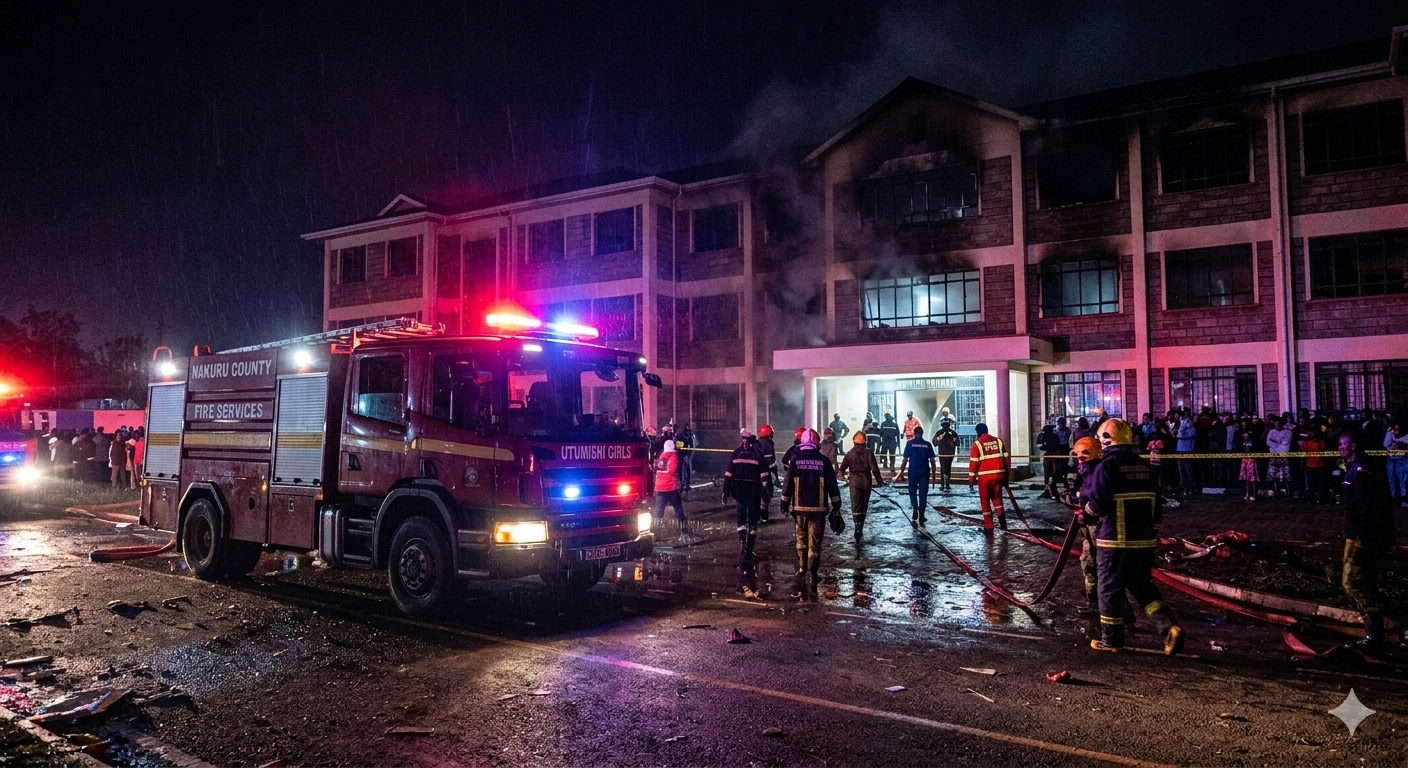
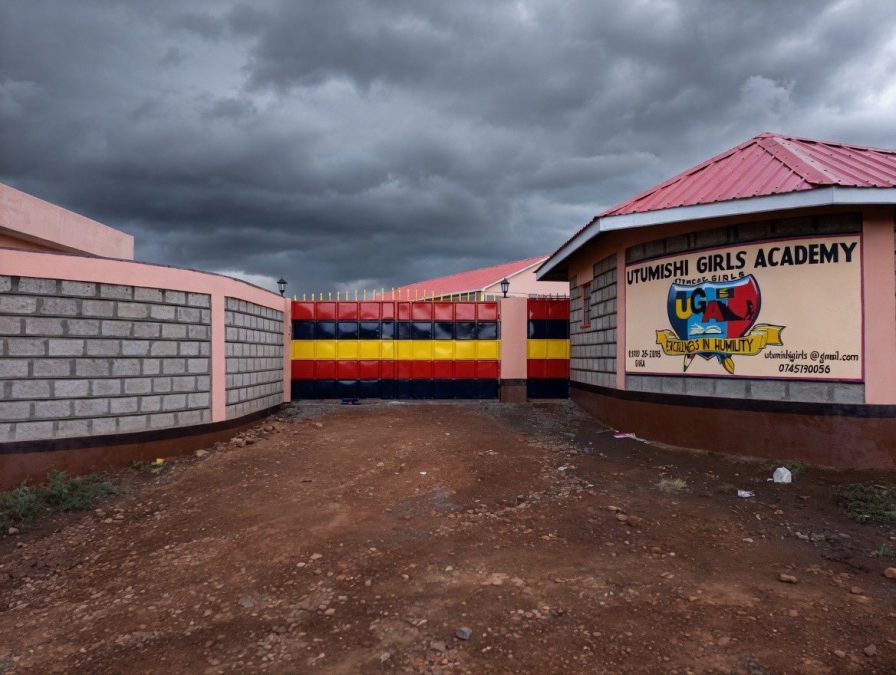
In 2026, Utumishi Girls Academy in Nakuru was added to the growing list after a dormitory fire claimed 16 girls on Thursday, May 28, 2026,. The incident reopened national memories of past tragedies and renewed calls for stronger safety enforcement in boarding schools.
The painful memories families still carry
Over the years, investigations and reports from the Ministry of Education and the Kenya Red Cross have repeatedly pointed to similar issues, weak enforcement of safety rules, delayed emergency response, overcrowded dormitories, and infrastructure concerns.
Mental health experts also warn that the impact goes beyond physical loss. Survivors, families, and school communities often carry emotional scars long after the incidents fade from headlines.
As Kenya continues to expand its education system, these tragedies remain a painful reminder that learning environments must be protected with urgency and consistency. For many families, the memories never fade they remain tied to the schools that were once meant to offer hope, but instead became places of heartbreak.