Advertisement
How school fire tragedies leave parents facing unexpected expenses
29th May, 2026 07:08 PM

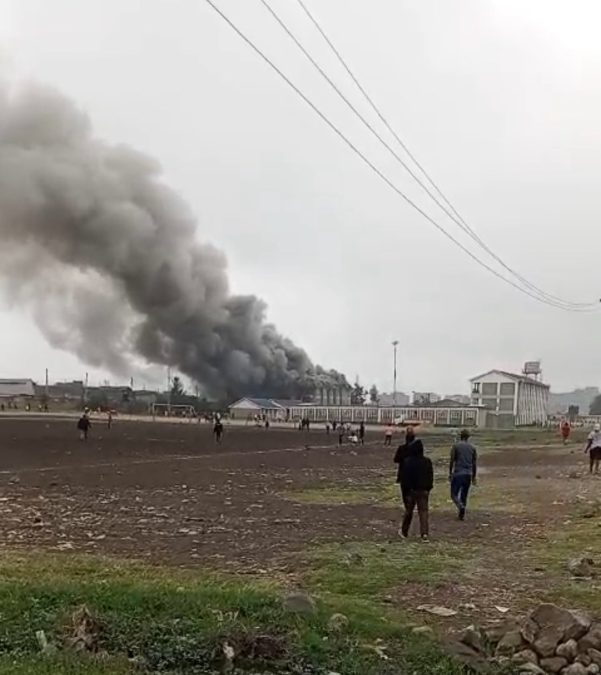
When a boarding school fire breaks out, the first concern is always safety, whether students are out of danger and whether the situation is under control.
But once the flames are extinguished, another reality quietly sets in for many families: the cost of picking up the pieces.
A disaster that goes beyond lost property
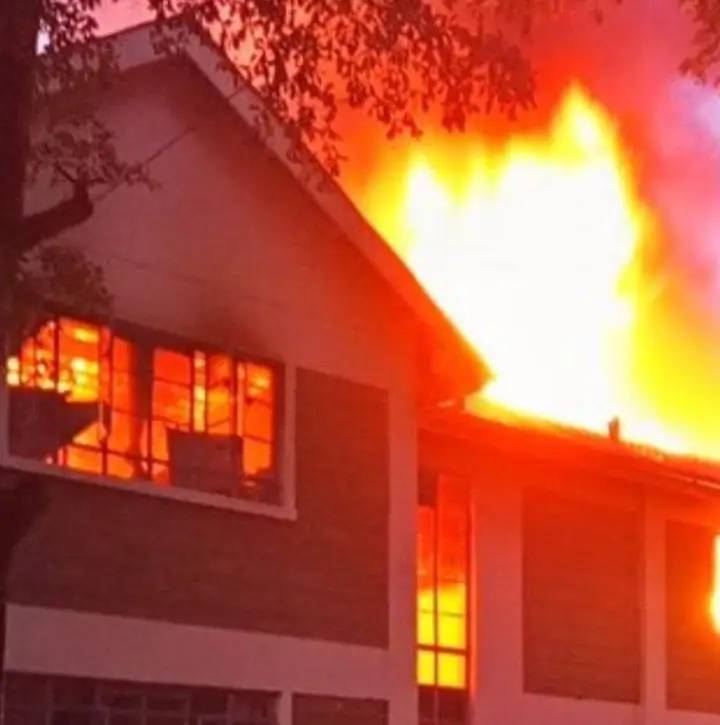
For most parents, the impact of a school fire is not only about damaged buildings but also about the personal belongings students lose in the process. Items such as mattresses, uniforms, books, shoes, and basic toiletries are often destroyed. These may seem replaceable, but for many households, especially those already struggling with school fees, replacing them all at once creates sudden financial strain.
In many schools, learners are expected to report back with replacements within a short time. This puts pressure on parents who may not have planned for such expenses in the middle of a school term. In some cases, families are forced to borrow money or delay other essential needs at home just to get their children back to class.
The damage from school fires goes far beyond the physical structures. School disasters don’t just affect learning time; they disrupt entire family financial systems, especially for low and middle-income households. The statement reflects how quickly a single incident can affect household stability.
Emergency costs that come without warning
Beyond replacing lost items, parents may also face additional emergency costs such as transport to visit affected schools, temporary accommodation if students are relocated, and unexpected contributions requested by institutions for recovery efforts. These expenses often come without warning and must be handled immediately.
Reports from child protection and safety organisations in Kenya have repeatedly raised concerns about preparedness levels in some boarding schools. According to UNICEF education safety assessments, school fire incidents often lead to large-scale losses that are not fully covered by existing support systems, leaving families to absorb most of the financial burden.
The Kenya Red Cross has also emphasised that improved fire safety measures and preparedness in schools could significantly reduce both loss of property and disruption of learning.
Recovery, rebuilding, and emotional strain on families
Even after students resume learning, recovery is rarely immediate. Parents must gradually rebuild what was lost while still managing ongoing school demands. In many cases, there is little to no insurance coverage for student property, meaning the responsibility falls entirely on families.
School administrations also face pressure to restore normalcy, but the gap between institutional recovery and household recovery can be wide. While schools focus on rebuilding classrooms and infrastructure, parents are left handling personal losses on their own.
The emotional strain also lingers. Children often return to school life without basic items, while parents struggle with the reality of unexpected expenses that were never part of their education budget. Over time, communities sometimes step in through donations or fundraising, but this support is not always immediate or sufficient.
Ultimately, boarding school fire tragedies expose a deeper issue in the education system, how quickly families can be pushed into financial distress by events beyond their control. Until stronger safety systems and better support mechanisms are in place, many parents will continue to face the hidden cost of disasters that happen far from home.