Advertisement
Cost of being unbanked – what financial exclusion takes from people
03rd July, 2026 10:23 AM
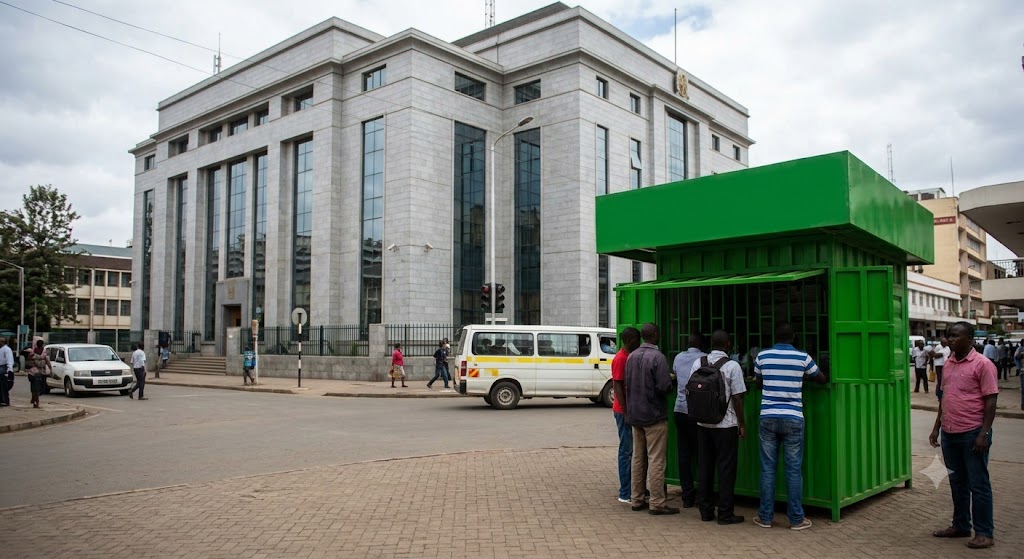
Kenya is famous worldwide for mobile money. Almost everyone has a mobile wallet on their phone, but there is a big difference between sending money and being fully banked.
Millions of Kenyans still live without a proper savings account, a formal credit history, or insurance. This gap is more than an inconvenience. It acts as a direct, silent tax on everyday earnings.
Why cash and informal apps cost you more
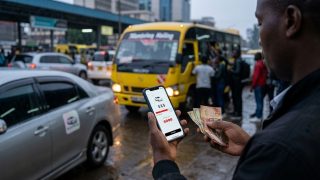
When you lack a real bank account, regular financial tasks become expensive. Moving money through informal networks or constantly withdrawing small amounts from mobile wallets eats into daily wages.
For example, a small-scale trader can easily lose Sh150 a day to transaction fees, which adds up to thousands of shillings every year.
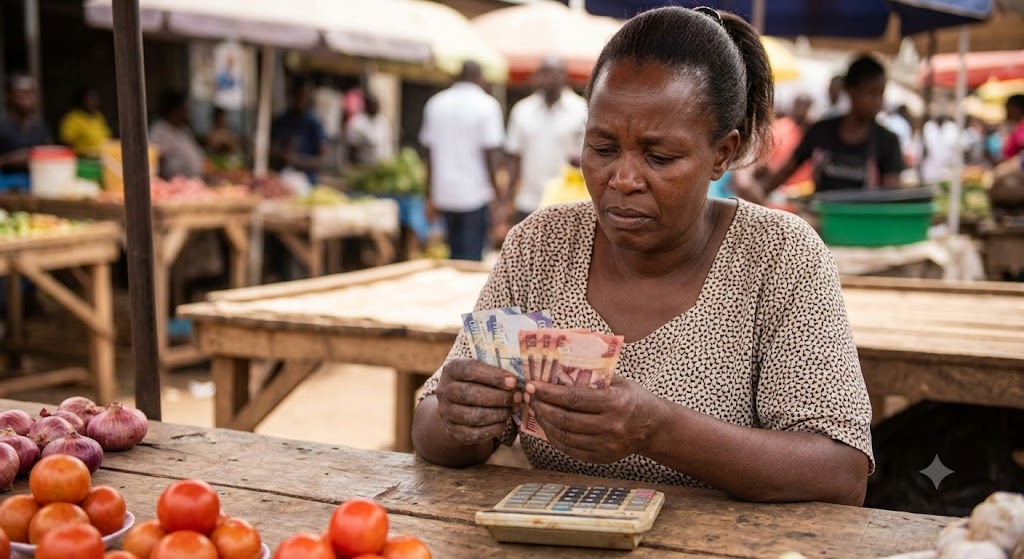
Without a bank account, it is also impossible to build a verifiable credit history. This locks people out of affordable loans, leaving them at the mercy of unregulated digital lenders who charge high interest rates. It even cuts off job opportunities, since most formal employers require a bank account for salary payments.
A study on rural banking published in November 2015, found that “withdrawal fees are prohibitively expensive” for many Kenyans, which discourages people from using formal financial services.
This means those who earn the least pay the most just to access their own money.
One emergency away from a financial crisis
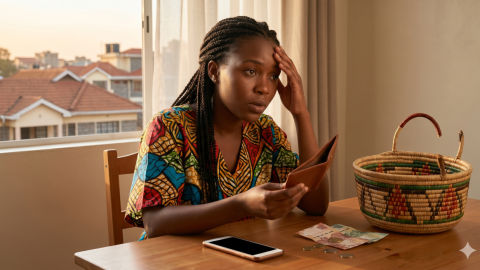
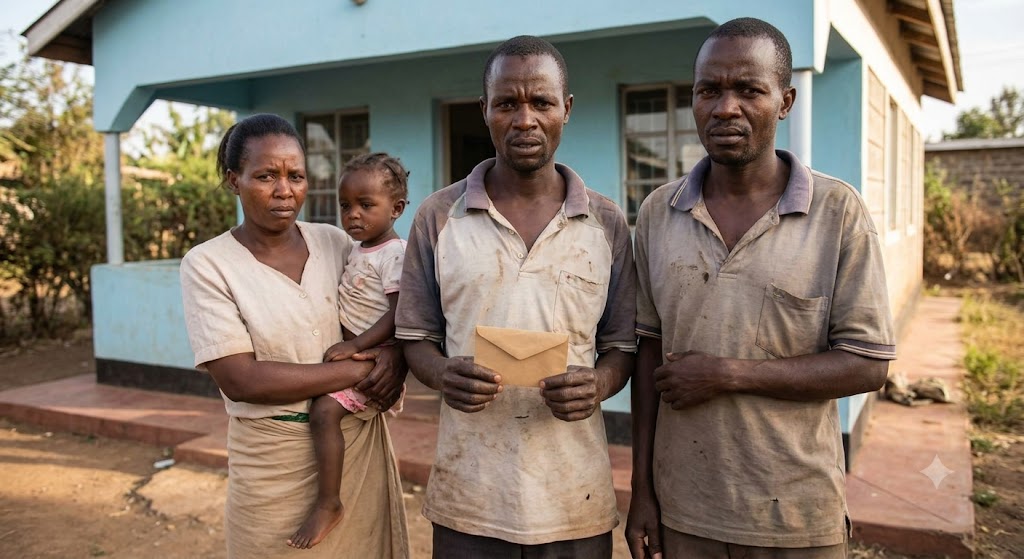
The real danger comes during an unexpected crisis. Without a safe place to store long-term savings or a way to connect to health insurance, a sudden medical bill can wipe out a family’s entire livelihood. Many unbanked households are forced to sell assets like livestock or borrow from predatory lenders to pay hospital bills.
While mobile wallets are great for quick daily payments, they do not automatically provide long-term security.
A study published in January 2019, warned that “these results go against the traditional optimistic discourse on mobile savings as a prime path to financial inclusion.”
True financial health requires deeper access to formal banking tools to protect ordinary families from falling into poverty when times get tough.