Advertisement
Kenya Power banking hall closure shows how smartphones are changing everyday life
08th June, 2026 05:19 PM
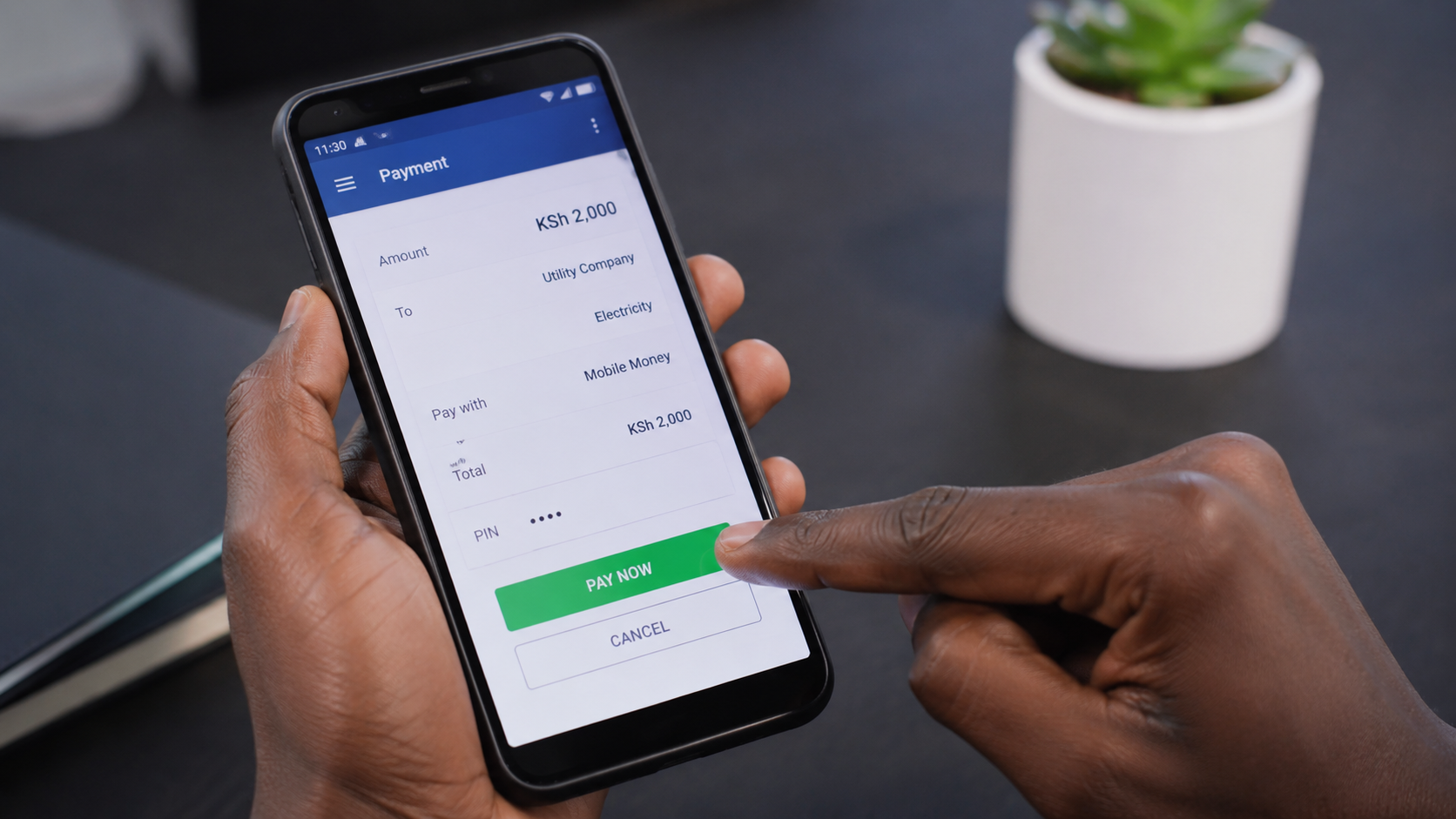
The Kenya Power banking hall closure announced this week may appear to be a routine business decision, but it highlights a much bigger shift taking place across Kenya.
Increasingly, services that once required physical visits, paper forms and long queues are moving onto smartphones.
From paying electricity bills and buying tokens to applying for government services and transferring money, many everyday activities can now be completed without leaving home.
The Kenya Power banking hall closure is therefore not just about electricity payments. It is a sign of how technology is reshaping daily life for millions of Kenyans.
According to Kenya Power, digital platforms currently handle more than five million customer interactions every month, reducing the need for customers to visit physical offices.
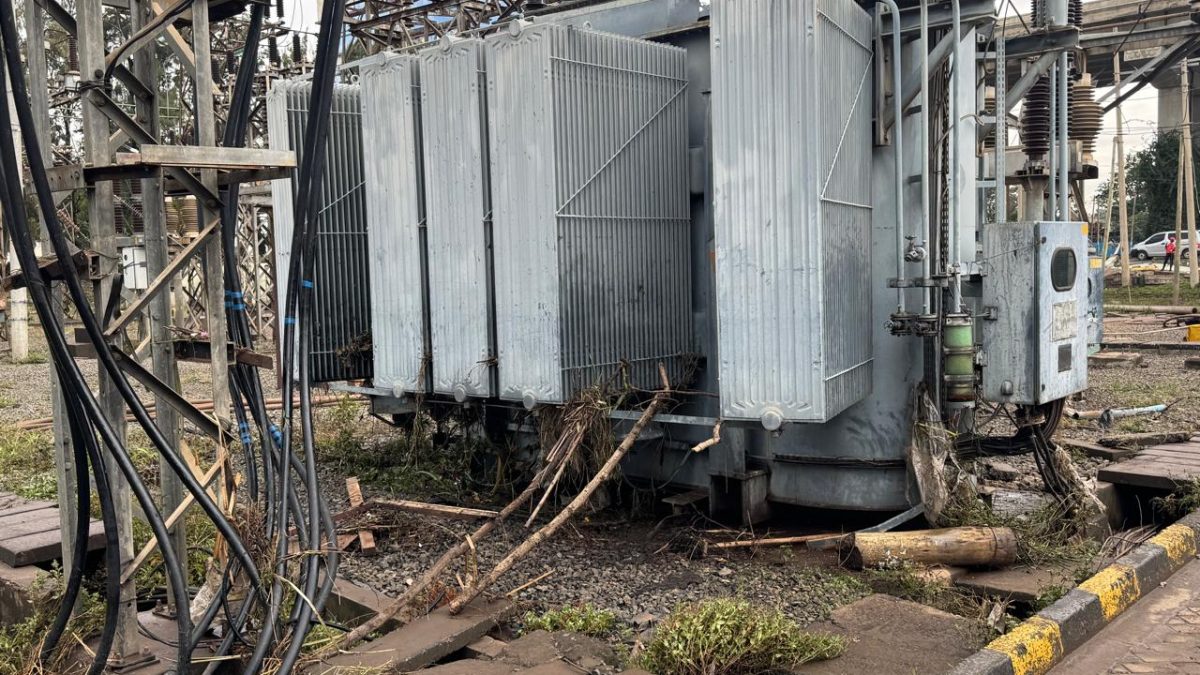
What is a Kenya Power banking hall?
Many Kenyans have heard about the Kenya Power banking hall closure but may not know exactly what a banking hall is.
A Kenya Power banking hall is a customer service area located within Kenya Power offices where customers traditionally visit to pay electricity bills, buy tokens, make enquiries and resolve account issues.
For years, these banking halls served as an important link between customers and the utility company.
However, the growth of mobile money, smartphones and digital platforms has significantly reduced the number of people who need to visit these offices physically.
The Kenya Power banking hall closure will be implemented in phases until June 2027 as more customers shift to digital channels.
How smartphones changed payments
Just over a decade ago, paying many bills involved travelling to an office, joining a queue and waiting for a printed receipt.
Today, a smartphone can perform many of these functions in seconds.
People can send money through mobile banking applications, pay utility bills, buy airtime, purchase electricity tokens and access government services without visiting an office.
The Kenya Power banking hall closure reflects this changing behaviour.
Customers are increasingly choosing the convenience of completing transactions through their phones instead of travelling to service centres.
This trend is not unique to Kenya Power. Banks, supermarkets, transport companies and government agencies have also invested heavily in digital services as smartphone usage continues to grow.
How USSD services work
One reason the Kenya Power banking hall closure is possible is that not every customer needs an expensive smartphone to access digital services.
Many digital platforms use USSD technology.
USSD stands for Unstructured Supplementary Service Data. It allows people to access services by dialling short codes on ordinary mobile phones.
Unlike mobile applications, USSD does not require internet access.
When a user dials a code, a menu appears on the screen, allowing them to choose different services. This technology is commonly used in mobile banking, mobile money transfers and utility payments.
Because it works on both smartphones and basic phones, USSD has become one of the most important tools driving Kenya’s digital transformation.
Challenges of digital services
While the Kenya Power banking hall closure reflects technological progress, it also raises important questions.
Not everyone owns a smartphone. Some elderly customers still prefer face-to-face interactions. Others worry about fraud, cybercrime and online scams.
Digital literacy also remains a challenge in some parts of the country.
These concerns explain why many organisations continue investing in customer education as services move online.
The challenge for Kenya and other countries is ensuring that technological progress does not leave vulnerable groups behind.
The future after Kenya Power’s banking hall closure
The Kenya Power banking hall closure shows how quickly technology is changing everyday life.
A generation ago, few people imagined they would buy electricity, transfer money, access government services and communicate with businesses using devices that fit into their pockets.
Today, smartphones and digital platforms have become essential tools for daily living.
Whether it is paying bills, shopping online or accessing services, the Kenya Power banking hall closure suggests that physical queues may gradually become less common as more aspects of life move into the digital world.