Advertisement
How mobile banking apps keep your account safe from fraud
30th May, 2026 04:25 PM
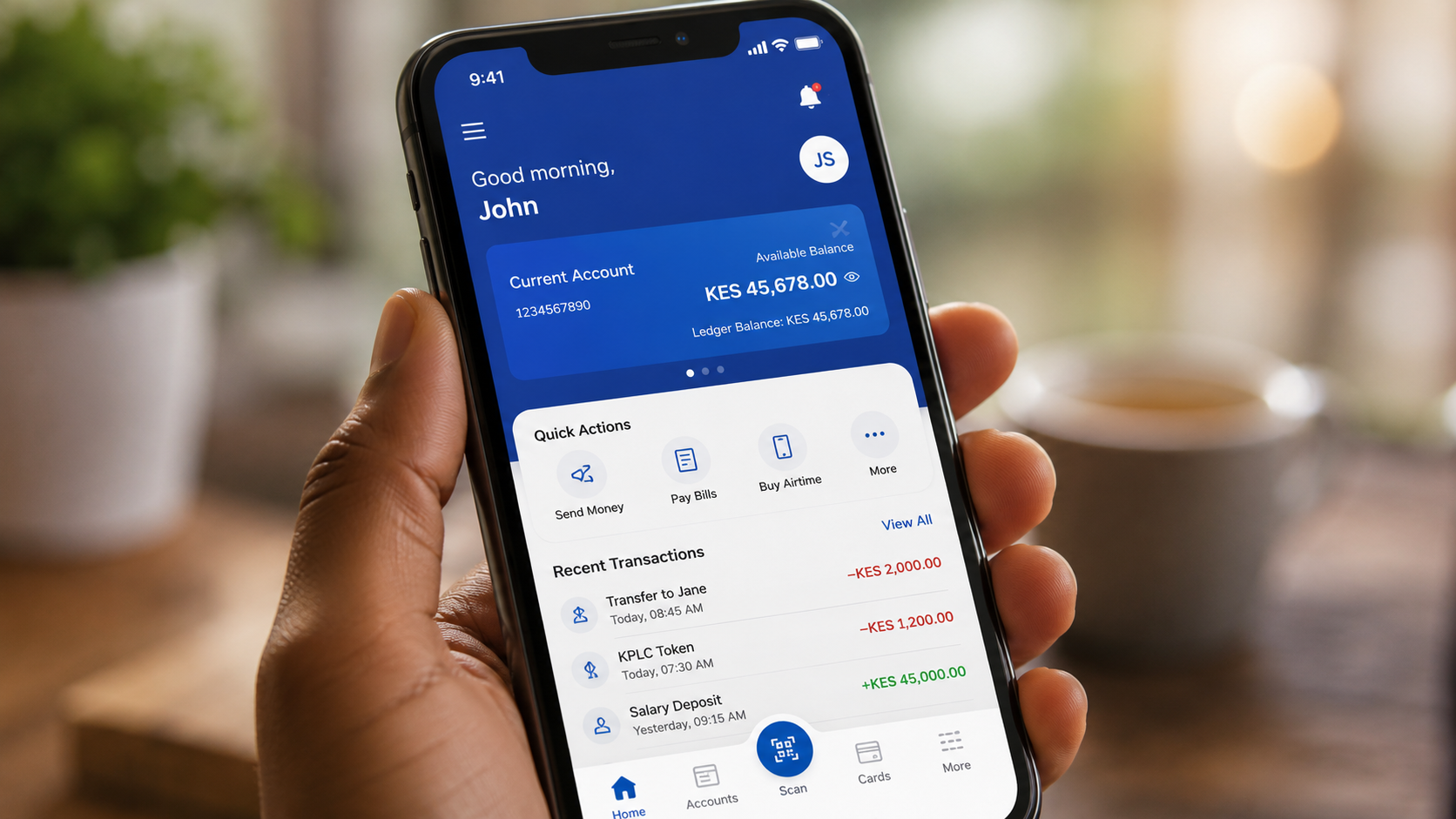
If you use mobile banking, one thing you rarely think about is how the app already “knows” your phone before you even type a password.
The moment you install and start using it, the system begins building a kind of digital memory of your device.
It records patterns such as the type of phone you use, the operating system, the network you normally connect from and other technical signals that form a unique device profile.
This is what helps the bank distinguish between your usual phone and a completely new device trying to access your account.
When you log in, the system quietly compares everything. If it matches your normal behaviour, you are allowed in smoothly.
If something feels off, extra checks are triggered before anything continues.
Security as a priority
Many people still think mobile banking security depends on Media Access Control (MAC) addresses or a single device identifier.
In reality, modern systems no longer rely on that approach.
Phones today are designed with privacy features that can change or randomise MAC addresses, especially when connecting to networks.
Because of this, banking apps do not treat MAC addresses as the main source of trust.
Instead, they build a full identity profile of your device by combining multiple signals.
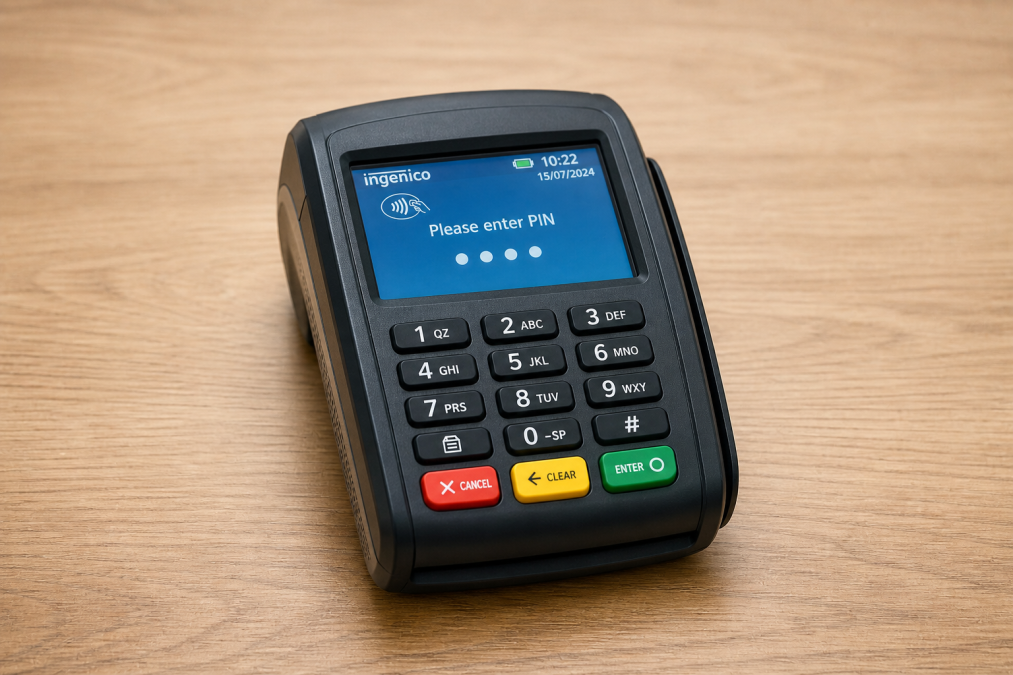
This includes device fingerprints, secure tokens created during installation, login history and behavioural patterns that are stored on the bank’s servers.
It is not one identifier that matters. It is the combination of many small signals that together form a trusted device identity.
Sessions control
Once you successfully log in, the system does not just leave you open indefinitely. It creates what is known as a secure session.
You can think of a session like a temporary digital pass that proves you are authenticated. This pass has a limited lifespan and is constantly monitored while you use the app.
If anything suspicious happens, the session can be ended immediately.
If the system detects unusual behaviour or a login from another device that does not fit your normal pattern, it can force a fresh login or block access until you verify your identity again.
This is one of the strongest protections in mobile banking because it means access is always under active control, not just based on a single login moment.
One account and controlled access
In many banking apps, your account is designed to behave in a controlled way across devices.
Some systems allow multiple devices but track every active session carefully. Others are stricter and only allow one active login at a time.
If you try to log in from a second device, the system evaluates the situation in real time.
It may log out the first device, reject the second login or request additional verification such as a one-time password or biometric confirmation.
This is often misunderstood as device blocking based solely on hardware identifiers.
In reality, it is controlled on the server side through session rules and authentication logic that decide what is allowed at that moment.
Artificial intelligence
Modern mobile banking systems are not just static security systems. They are actively monitored by artificial intelligence tools that continuously analyse behaviour.
These systems do not just check who you are. They also study how you use the app.
They can detect things like unusual login timing, sudden changes in location patterns, fast repeated actions that do not look human, or transactions that do not match your normal behaviour.
Even how you move through menus can matter. If the system notices that the app is being used in a way that does not match your usual pattern, it may quietly trigger extra verification or temporarily pause an action.
This kind of monitoring is always running in the background, even when you are not actively doing anything sensitive.
Encryption protects your money in transit
Every action inside a mobile banking app is protected by encryption.
This means that the information leaving your phone is converted into unreadable data before it travels across the internet.
Even if someone manages to intercept it, they cannot understand or alter it without the encryption keys.
This is what protects your balance, your PIN and your transaction details from being exposed during communication between your phone and the bank servers.nk about it.