Advertisement
How banks protect your accounts from fraud
08th March, 2026 10:36 PM

Banks handle millions of transactions every day. To keep customers safe, they use several layers of security to protect accounts from fraud.
These systems work quietly in the background each time a person logs into a banking app, sends money, or checks their balance.
Many of these protections rely on a mix of passwords, phone verification, and personal identification features built into smartphones.
One-time passwords (OTPs)
One of the most common protections used by banks is the One Time Password, often called an OTP.
An OTP is a short code sent to a customer’s phone when they try to log in or complete a transaction. The code works only once and usually expires within a few minutes.
For mobile banking apps, the OTP often works only if it arrives on the SIM card inside the same phone where the banking app is installed. This helps the bank confirm that the person using the account is the real owner of the registered phone.
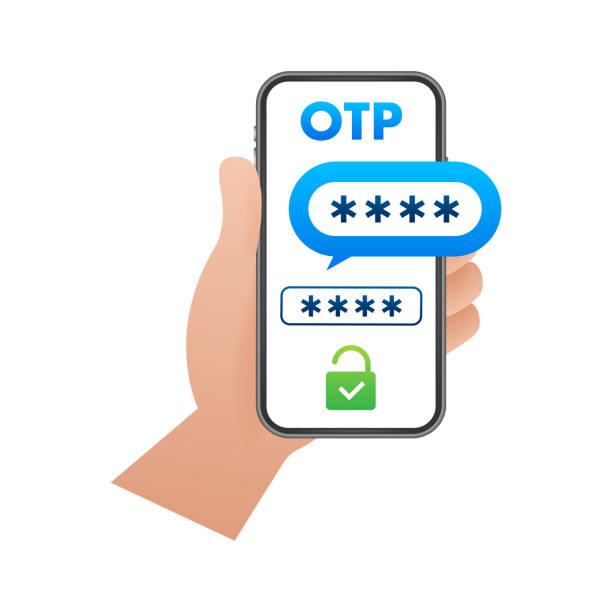
Even if someone knows the password, they cannot complete the transaction without the OTP code.
SIM card verification
Banks also rely on SIM card verification as another security layer.
When a person registers for mobile banking, the bank links the account to a specific phone number and SIM card. In many cases, certain services will only work if the registered SIM card is inside the phone.
If the SIM card is removed or replaced, some banking features may stop working until the bank confirms the change. This helps prevent criminals from accessing accounts using unknown devices.
Face and fingerprint authentication
Modern smartphones include biometric security such as fingerprint and face recognition.
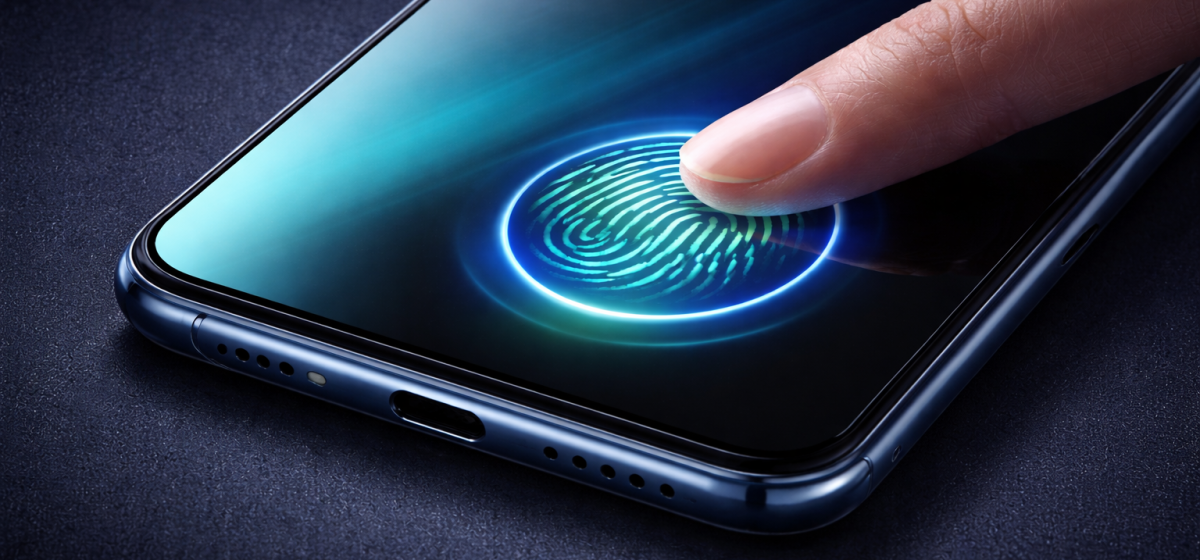
Banks use these features to confirm the identity of the person opening the banking app. Instead of typing a password every time, the user may unlock the app using their fingerprint or face.
Because biometric features are unique to each person, they provide an additional strong layer of protection against fraud.
Device recognition
Banks often keep track of the devices used to access an account.
When a customer logs in using a new phone or computer, the bank may ask for extra verification before allowing access. This could include sending an OTP or asking security questions.
If the device is recognised from previous use, the process may be quicker.
Transaction monitoring
Banks also monitor transactions for unusual activity.
If the system detects something suspicious, such as a large payment or a login from a different location, it may temporarily block the transaction and ask the customer to confirm it.
This real-time monitoring helps stop fraud before money leaves the account.
Working together to keep accounts safe
These security features work together to protect bank customers every day. OTP codes, SIM card verification, biometric identification, device recognition, and transaction monitoring create multiple layers of defence.
While no system is perfect, these protections greatly reduce the risk of fraud and help banks keep customer accounts secure.