Advertisement
Ruiru vampire: Why a human bite is more dangerous than you think
26th July, 2026 09:38 AM
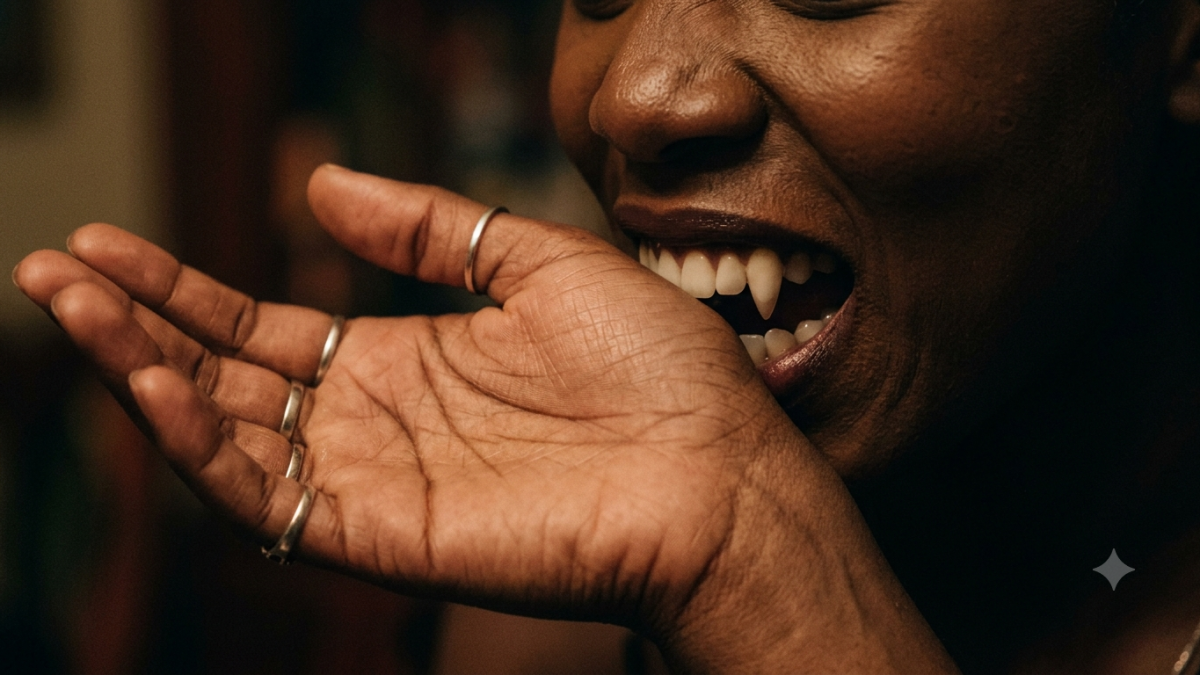
The recent reports of the biting incident in Ruiru have caught the attention of many Kenyans, with conversations largely centred on the unusual nature of the attacks. However, beyond the headlines lies a serious health concern that medical experts say should not be ignored.
Unlike animal bites, human bites are often underestimated. Yet doctors warn that they can lead to dangerous infections and other complications because the human mouth contains millions of bacteria. According to the UK National Health Service (NHS), a bite that breaks the skin should always be taken seriously and assessed by a healthcare professional due to its high risk of infection.
A bite can quickly turn into an infection
One of the most common complications of a human bite is a bacterial infection. The mouth naturally contains bacteria that are harmless inside the mouth but can become dangerous once they enter broken skin.
The bacteria introduced through a bite can cause redness, swelling, pain, warmth around the wound and the formation of pus. If treatment is delayed, the infection may spread to surrounding tissues and become more difficult to manage.
Health experts say bites on the hands, fingers and face require particular attention because infections in these areas can develop rapidly and affect nearby muscles, tendons and joints.
Serious complications beyond the wound
A human bite can also cause more severe health complications if left untreated.
The World Health Organization (WHO) notes that wounds involving broken skin should be cleaned immediately to reduce the risk of infection. Without prompt treatment, bacteria can spread into the bloodstream, leading to a serious condition known as sepsis. Sepsis is a medical emergency that occurs when the body’s response to an infection begins to damage its own tissues and organs.
Deep bites may also result in cellulitis, a bacterial infection that affects the deeper layers of the skin. Symptoms include increasing redness, swelling, tenderness and fever. In severe cases, hospital treatment with intravenous antibiotics may be required.
Another possible complication is damage to nerves, tendons or joints, particularly if the bite is forceful or located on the hands. This may lead to reduced movement or long-term pain if not treated early.
There is also a risk of disease transmission
Although uncommon, certain infections can be passed through a human bite if blood is exchanged.
According to the US Centers for Disease Control and Prevention (CDC), healthcare providers may assess the risk of exposure to blood-borne viruses such as hepatitis B, hepatitis C and, in specific circumstances, HIV. The level of risk depends on factors including whether blood was present and the health status of the individuals involved.
Doctors may also recommend a tetanus vaccination if a person’s immunisation is not up-to-date.
Do not ignore warning signs
Medical experts advise seeking treatment immediately after any human bite that breaks the skin.
The warning signs of infection include worsening pain, swelling, redness that spreads beyond the wound, pus, fever and difficulty moving the affected area. These symptoms should never be ignored, as they may indicate that the infection is becoming more serious.
Cleaning the wound thoroughly with running water and soap before seeking medical care can help lower the risk of complications, but it should not replace professional medical assessment.
Prompt treatment makes a difference
The recent Ruiru incidents have drawn attention to the dangers associated with human bites, but health experts say the key takeaway is that every bite should be treated as a potential medical emergency.
Whether the injury results from an assault, a fight or any other situation, early medical attention can prevent serious complications and improve recovery. What may appear to be a small wound today could develop into a significant health problem if left untreated.