Advertisement
Dangerous bacterial infections in babies under two years
17th May, 2026 10:28 PM
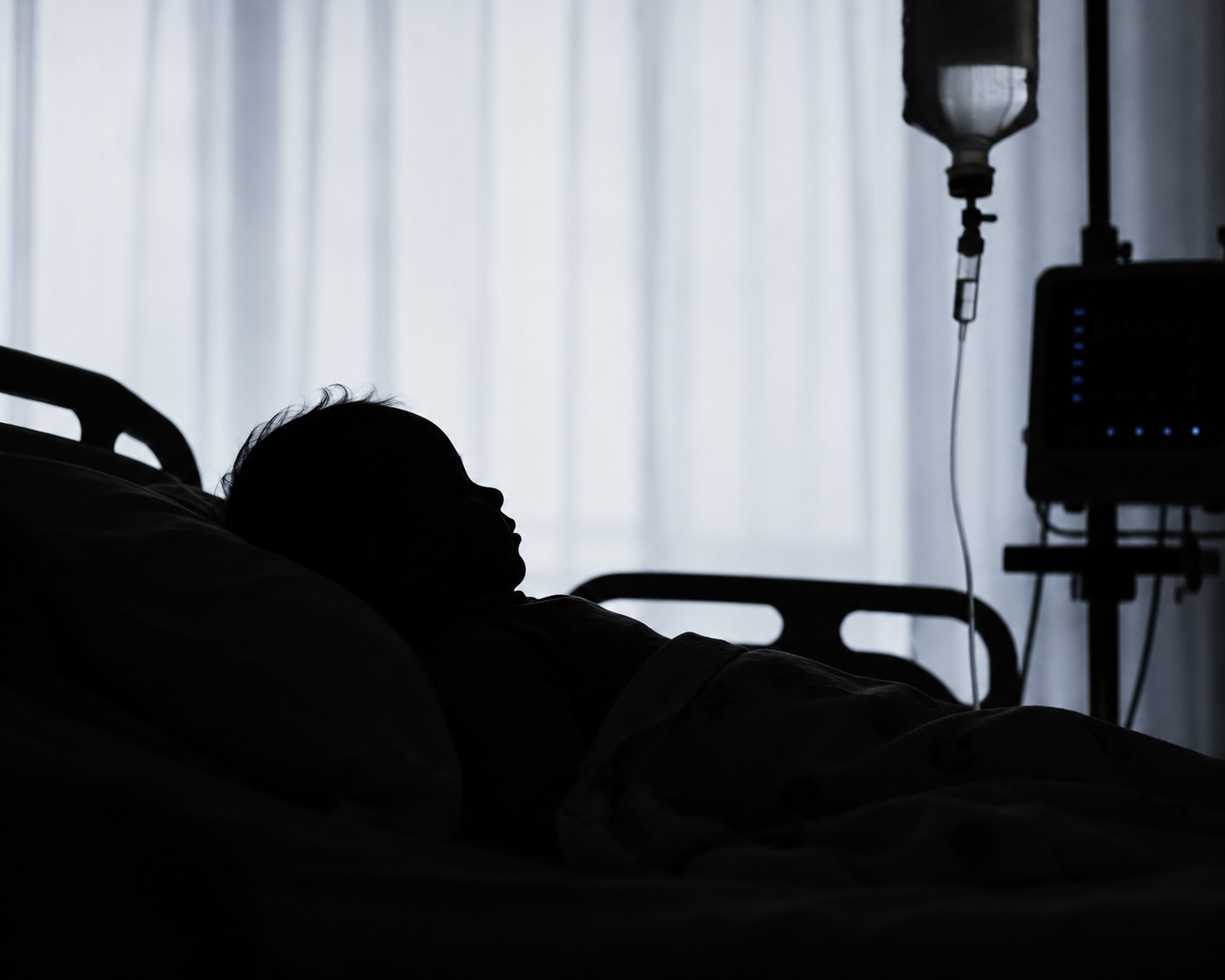
Babies below the age of two are highly vulnerable to bacterial infections because their immune systems are still developing.
What may appear as a mild illness can escalate quickly and affect vital organs such as the brain, lungs, blood, or urinary system.
Early recognition and prompt treatment are often what determine recovery.
Many parents tend to associate childhood illness with common colds or mild fevers.
However, certain bacterial infections require urgent medical attention due to how fast they spread and the serious complications they may cause.
Sepsis
Sepsis is a severe condition that happens when the body reacts strongly to an infection and begins to damage its own tissues and organs.
In babies, it can start from infections in the lungs, skin, urinary tract, or bloodstream.
Newborns and premature infants face higher risk because their immunity is still weak.
A baby with sepsis may show signs such as fever or unusually low body temperature, poor feeding, difficulty staying awake, weak crying, breathing problems, or changes in skin colour such as paleness or a bluish tone.
The condition can worsen within hours, making immediate hospital care and antibiotics essential.
Bacterial meningitis
Bacterial meningitis affects the protective layers surrounding the brain and spinal cord.
It is one of the most serious infections in early childhood and can lead to long term complications such as hearing loss, seizures, or developmental delays if treatment is delayed.
In infants, symptoms may include high fever, persistent crying, vomiting, poor feeding, seizures, and a bulging soft spot on the head.
Unlike older children, babies may not show obvious neck stiffness, which can make early detection more difficult. Rapid medical attention is critical.
Pneumonia
Pneumonia is a bacterial infection that inflames the lungs and makes breathing difficult.
It often develops after a cold or viral illness weakens the body. In young children, the condition can quickly reduce oxygen levels and become life threatening.
Signs include fast or laboured breathing, chest movements that pull inward, fever, coughing that does not improve, loss of appetite, and unusual tiredness.
Because infant lungs are still developing, they are more sensitive to infection and inflammation.
Urinary tract infections
Urinary tract infections in babies are sometimes difficult to detect because symptoms are not always specific. The infection may affect the bladder, kidneys, or urinary system and can spread if left untreated.
Babies may present with unexplained fever, irritability, vomiting, reduced feeding, or foul smelling urine.
Some may cry during urination or show discomfort without an obvious cause. Doctors often rely on urine tests when no other source of fever is found.
Whooping cough
Whooping cough is a bacterial respiratory infection that can be particularly severe in babies under two years.
It causes intense coughing fits that can interfere with breathing and feeding.
Infants may experience repeated coughing spells, vomiting after coughing, exhaustion, pauses in breathing, and in some cases a high pitched sound when trying to breathe in.
Vaccination remains one of the strongest protective measures against this infection.
Skin infections
Newborns can develop bacterial infections through the skin or the umbilical cord stump. What may begin as mild redness or irritation can progress quickly if bacteria enter the bloodstream.
Warning signs include redness around the cord area, swelling, discharge, unpleasant smell, fever, and unusual drowsiness or weakness in the baby. Proper hygiene and keeping the area clean and dry help reduce risk.
Why babies vulnerable
Babies under two are more exposed to infection because their immune systems are still learning to fight bacteria.
They also explore objects with their mouths, cannot explain how they feel, and can become dehydrated quickly.
This combination makes illnesses progress faster than in older children.
Prevention measures
Reducing the risk of bacterial infections involves consistent hygiene and preventive care.
Keeping vaccinations up to date, washing hands before handling a baby, maintaining clean feeding equipment, avoiding contact with sick individuals, and seeking medical help early when fever or unusual behaviour appears are key protective steps.