Advertisement
The psychology of a tidy kitchen and what it produces in people
13th July, 2026 09:36 PM
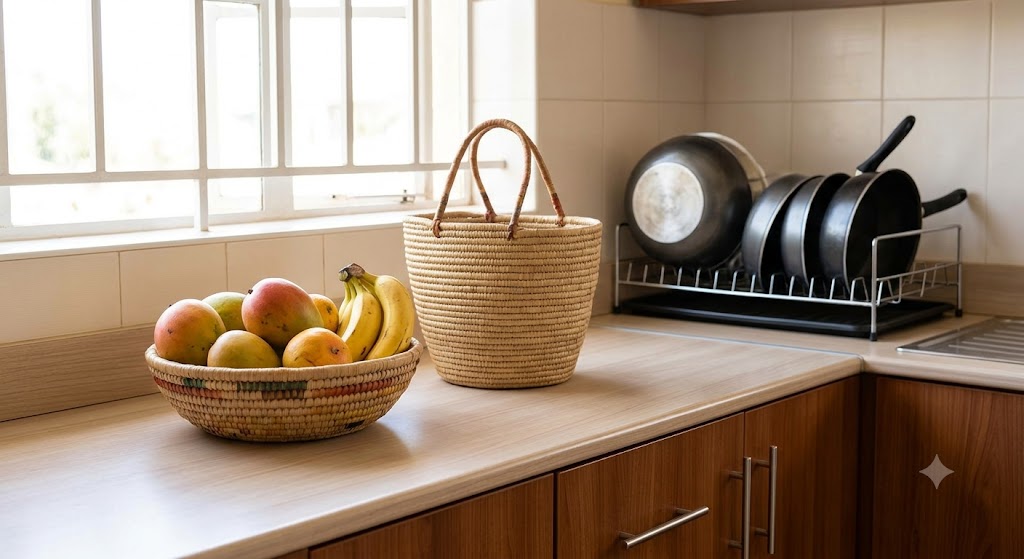
Walking into a kitchen buried under unwashed sufurias, scattered spice tins, and vegetable peels is a familiar sight in many homes after a long week. While most people assume a messy counter is just an eyesore, behavioural scientists have found it actually changes how people eat.
A chaotic environment directly triggers poor dietary choices and weight gain.
How a messy counter tricks the mind
A 2016 study published by researchers at Cornell University looked into this exact link. They placed participants into two different kitchen environments: one group sat in a clean, quiet space, while the other sat in a messy room with dirty dishes everywhere.
The results were clear. People in the messy kitchen ate twice as many sweet snacks in just 10 minutes compared to those in the tidy space.
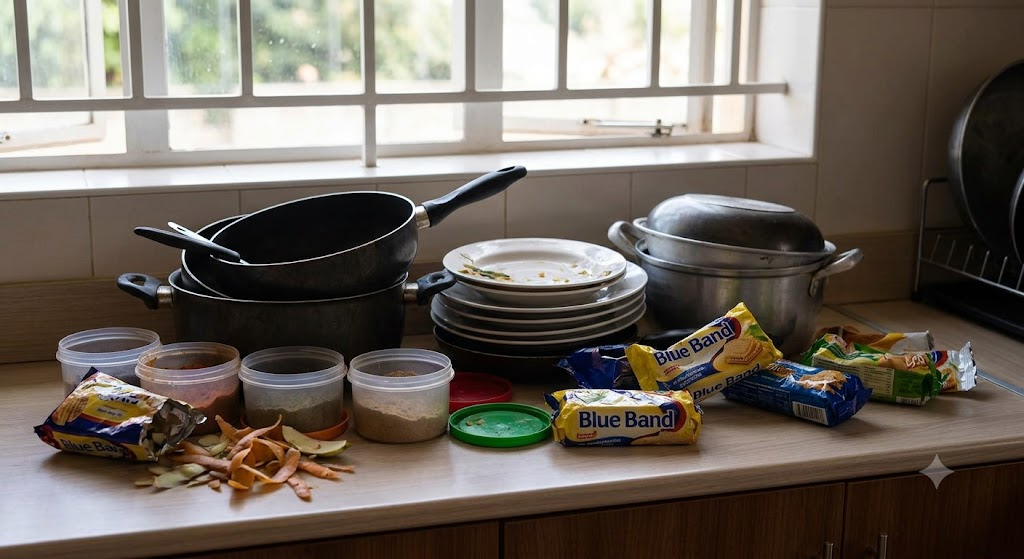
According to the lead author of the study, Lenny Vartanian, a messy environment makes people feel like they have lost control. He noted that a chaotic room creates a specific mental state where people think, “everything else is out of control, so why shouldn’t I be?”
This feeling completely breaks down normal self-control, leading to quick, impulsive snacking on sugary comfort foods.
Small environmental tricks for better health
When stress levels go up, the human brain naturally craves quick energy; this usually means reaching for biscuits, mandazi, or soda instead of a healthy meal.
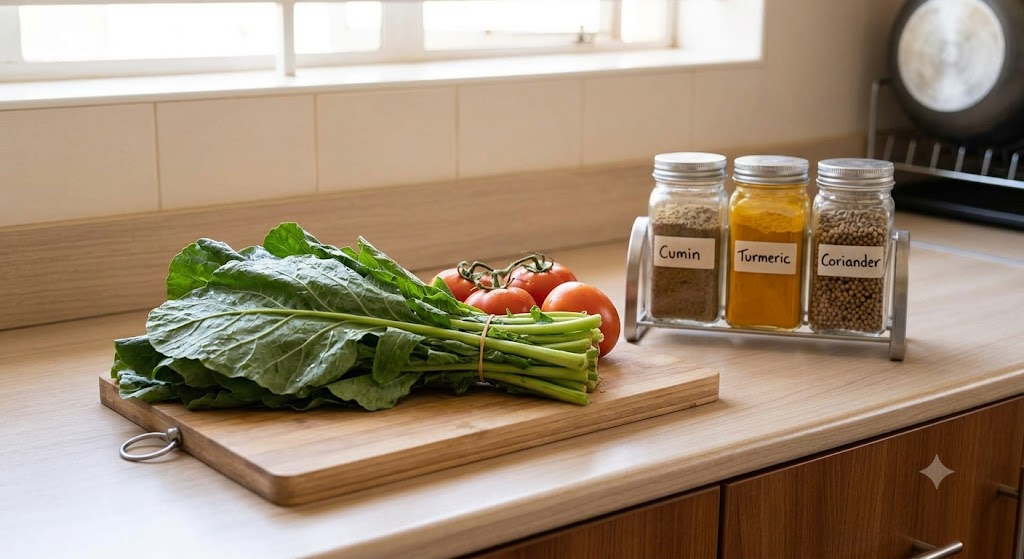
For the everyday person, keeping the kitchen clean is a simple and cheap health strategy. Walking into a messy house after a long workday makes it easy to give up on cooking and spend thousands on fast-food deliveries. An organised kitchen, on the other hand, lowers stress and makes it much easier to prepare a home-cooked meal.
When surfaces are neat, behavioural data shows that people are far more likely to pause and pick healthier foods like fruit. Tidying up does not require expensive organisers or endless hours.