Advertisement
Small things that make coming home feel like relief
22nd May, 2026 09:23 AM
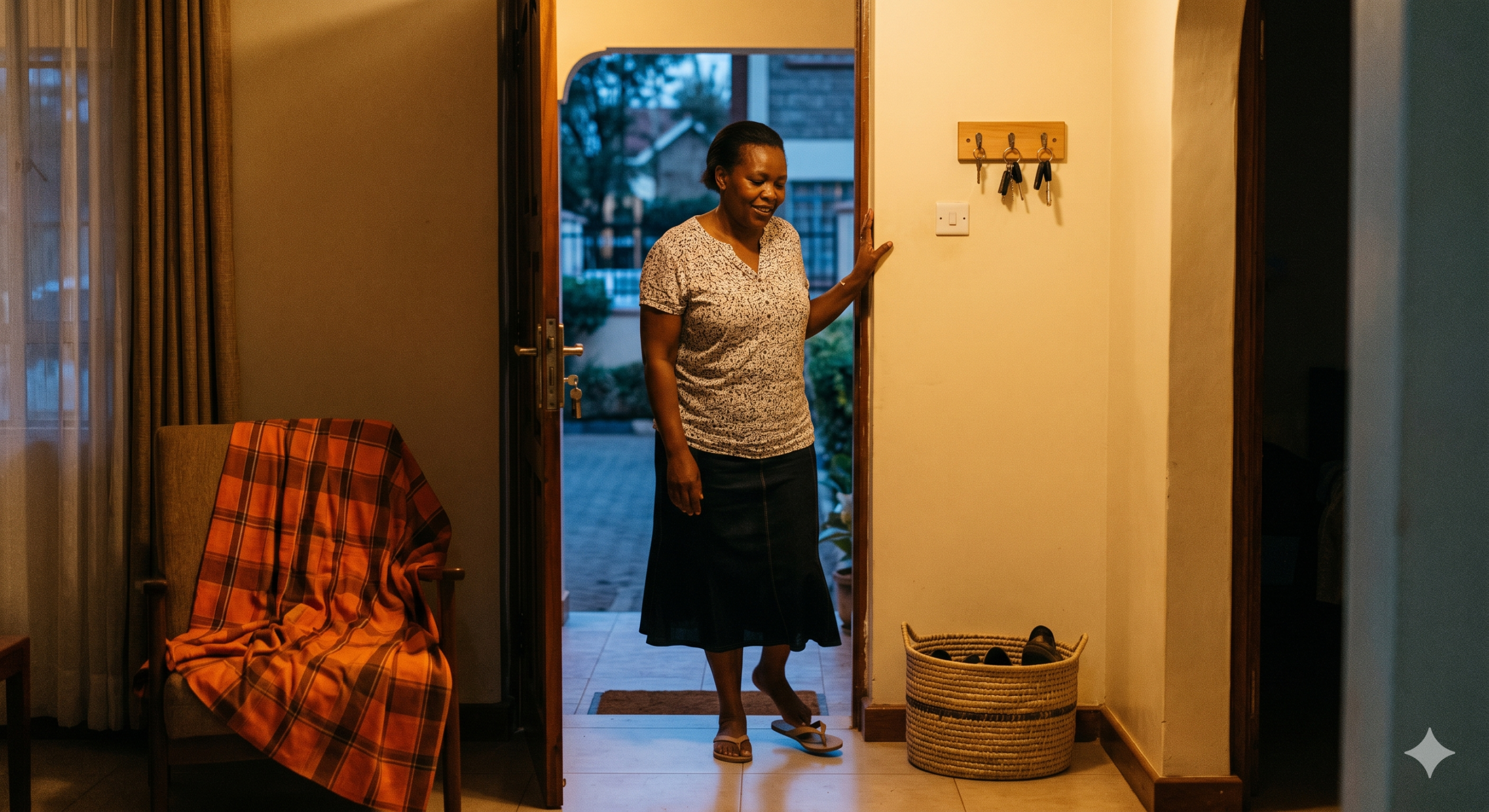
There is a difference between arriving somewhere and actually landing.
The moment you step through your front door, your nervous system makes a quiet judgement: “Is this a safe place?” “Can I put everything down now?”
A home that feels genuinely restful rarely happens by accident. It is built, intentionally or not, out of small and specific anchors.
A familiar scent welcoming you at the door, clear surfaces that offer your eyes a place to rest, warm lighting that signals the end of the hustle, or a predictable sound that says you are precisely where you belong.
These details send a message of safety to your body long before your brain has even registered them.
The environment does the first work
Your entrance sets the tone for everything. A cluttered entryway or a pile of shoes is a visual to-do list, and your mind reads it whether you want it to or not.
A tidy landing spot for keys, bags, and shoes removes one small friction from your return home and lets your body start relaxing earlier in the process.
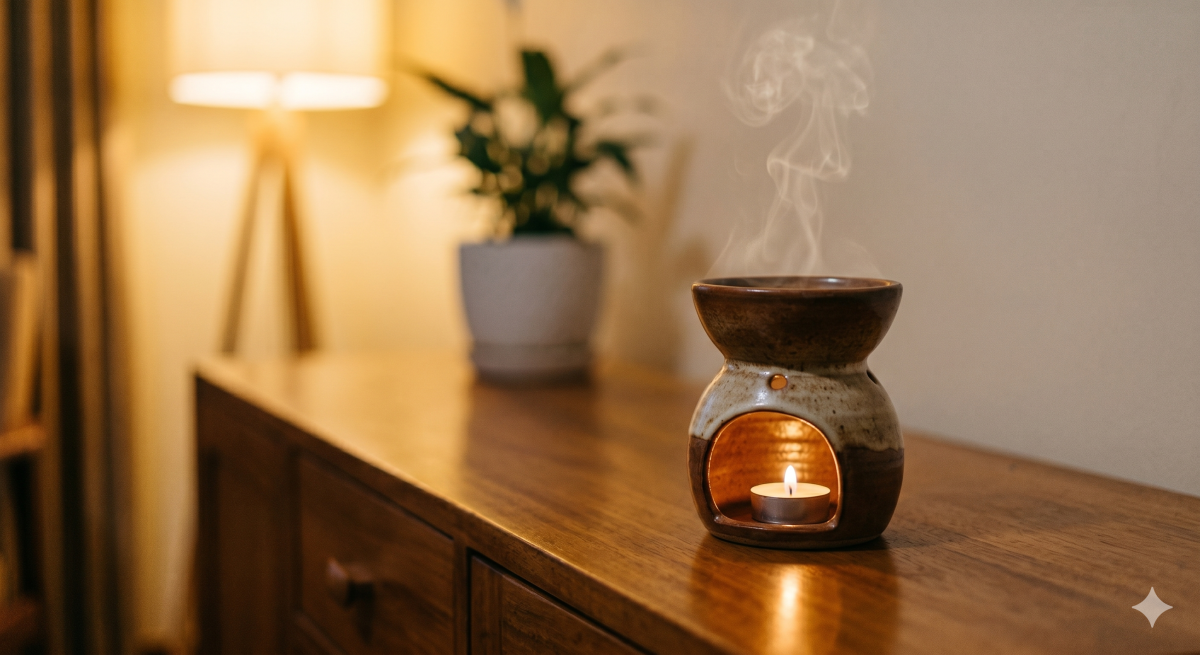
Scent is the most underestimated tool here.
A 2022 study by researchers at Brown University and Boston College, published in Cognitive Research: Principles and Implications, found that familiar household scents go far beyond simple pleasantness and deliver “emotional benefits” including improvements to “confidence, mood and nostalgia.”
Candles, a consistently clean kitchen, or a well-placed diffuser can do serious work on how safe a space feels the moment you enter it.
Light matters just as much. Harsh overhead lighting signals alertness and tasks. Lamps, warm-toned bulbs, and indirect lighting tell your nervous system it is time to shift gears.
The habits and people who hold the space also matter
A home is not only a physical environment. The relational and habitual atmosphere inside it determines whether you actually recover there or simply exist there.
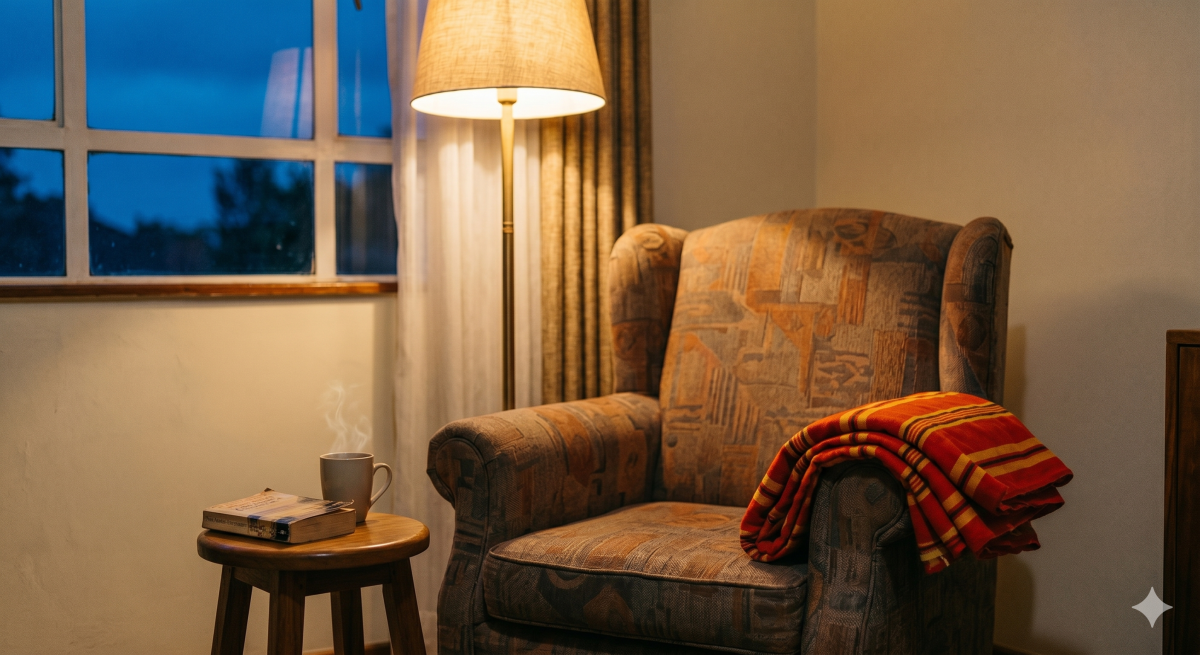
A 2024 review in the Journal of Family Theory and Review found that home routines “transcend mere scheduling and significantly contribute to creating unity and belonging within the family.”
This is true even for people who live alone. A consistent evening wind-down, a favourite playlist, or a particular chair reserved for resting all create a reliable sense of belonging in time and place.
Sound works the same way. A familiar playlist, low background noise, or comfortable silence is a cue that you are somewhere safe.
If you share your home with others, a warm greeting at the door, however brief, silently reminds you that you are both welcome and chosen.

At its core, a home feels safe when it anticipates you. It should be set up for who you are when you are completely exhausted, not who you are when you are performing for the world.
That is the ultimate difference between just a house and a place you genuinely long to return to.