Advertisement
Home organisation mistakes that are making your small space feel smaller
14th May, 2026 10:47 AM
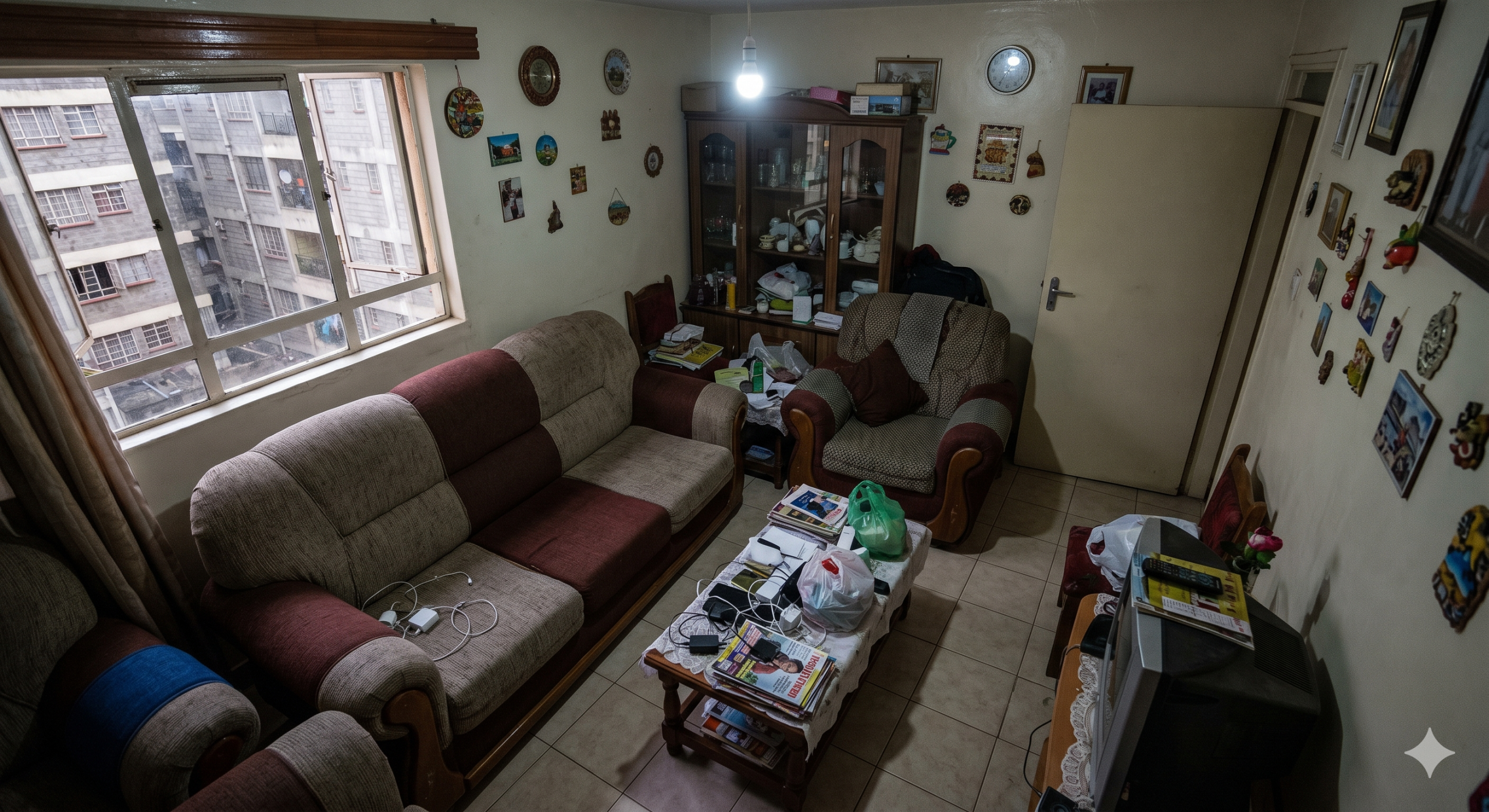
If your flat feels like it is shrinking by the day, the problem may not be the square footage. It may be what you are doing with it.
Small spaces are a Nairobi reality. Compact flats are the norm, and most of us are just making peace with them rather than making them work.
But there is a difference between a flat that is genuinely small and one that feels suffocating, and that difference almost always comes down to organisation habits.
Here are the most common mistakes, and the simple fixes.
You have too much furniture and it is the wrong size
The instinct when furnishing a small flat is to fill it. A sofa, a coffee table, a TV stand, a display cabinet, a bookshelf.
Suddenly there is almost no floor visible, and the room feels like a storage unit you happen to sleep in.
Oversized furniture is one of the biggest culprits. A three-seater sofa in a studio is not cosy; it is a wall.
Swap it for a loveseat or a two-seater that does not eat the entire room, and keep the floor as clear as possible.
The fix is also about choosing furniture that earns its place. Multi-function pieces (a storage ottoman, a bed frame with drawers, a dining table that folds against the wall) do the job of two or three items without the visual weight.
Visual clutter is stressing you out more than you realise
Surfaces covered in everything (remotes, chargers, receipts, yesterday’s bag) do not just look untidy. They actively make the space feel smaller and affect your mood.
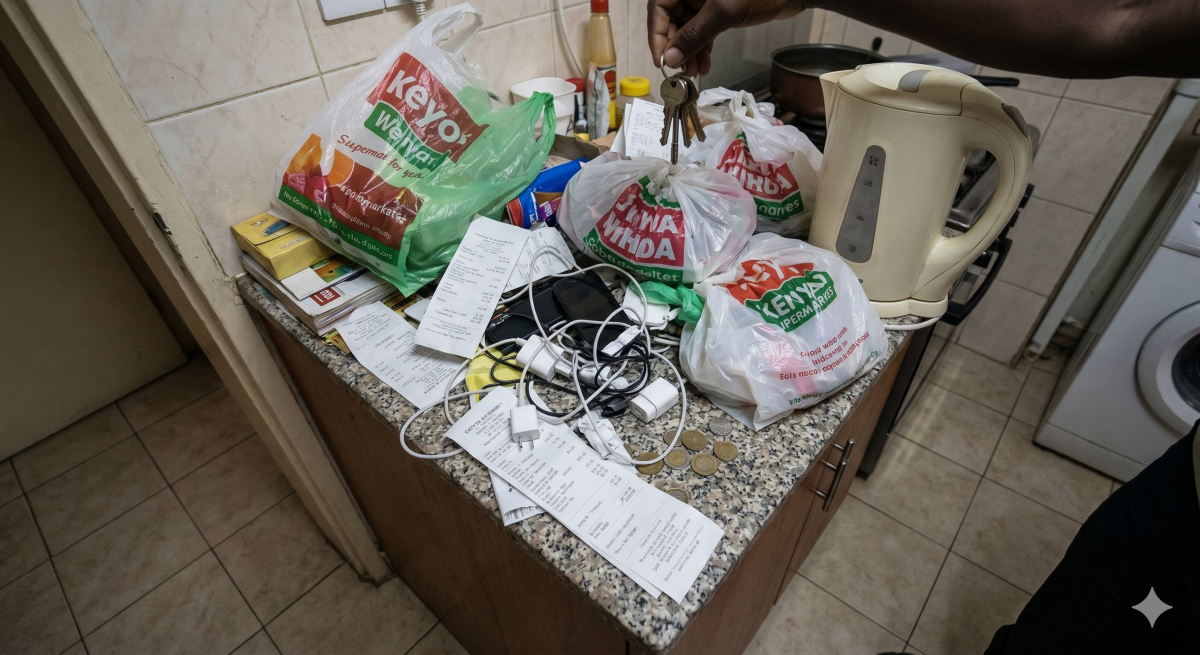
Pick one or two surfaces in each room that you commit to keeping completely clear. Assign everything else a home – a basket, a drawer, a hook behind the door.
It takes five minutes to reset and the difference in how the flat feels is immediate.
You are not using vertical space
Most people stop thinking about storage at about shoulder height, which means a huge amount of usable space, from the floor up to the ceiling, goes completely to waste.
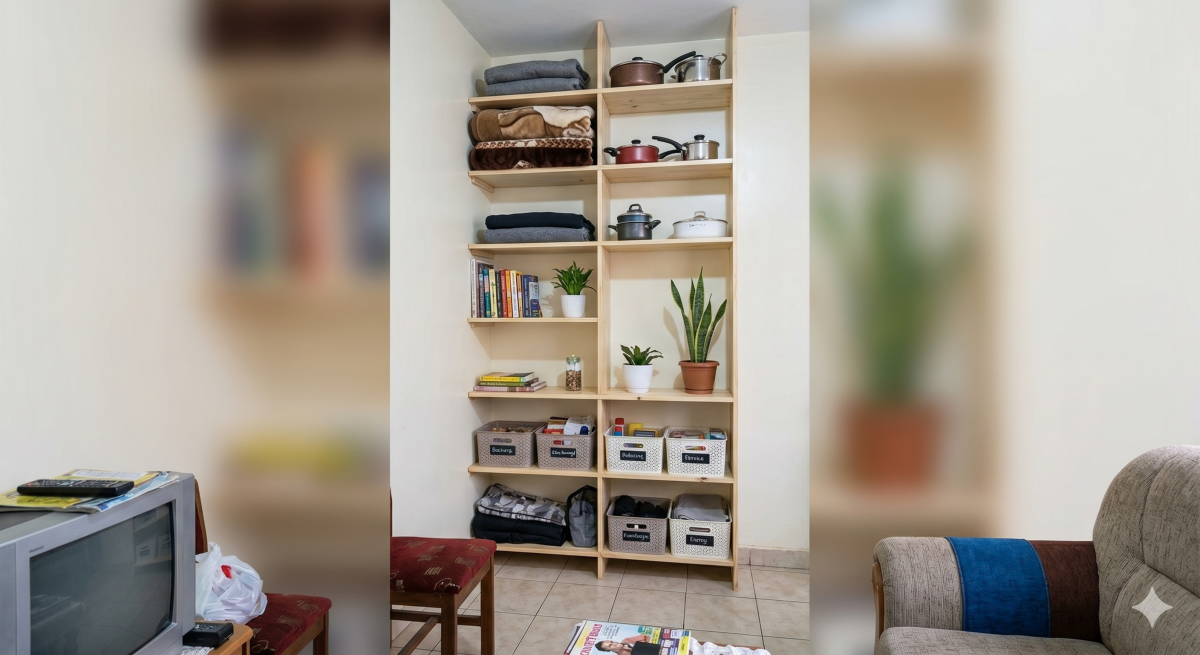
A single shelf at eye level is not storage; it is decoration. What actually changes a small flat is going up: tall bookshelves, wall-mounted cabinets, pegboards in the kitchen, shelving above doorframes.
A 2022 study published in Frontiers in Virtual Reality, which tested how residents experienced compact living spaces, found that “floor layout and ceiling height were especially crucial in the perceived openness of spaces and led to feelings of spaciousness.”
In other words, drawing the eye upward genuinely alters how your brain reads the room.
Store infrequently used items – suitcases, seasonal clothes, extra bedding – up high. Keep the lower half of your walls clear, and you will feel it.
The lighting is flat and dim
A lot of Nairobi flats rely on a single overhead bulb per room, and it shows.
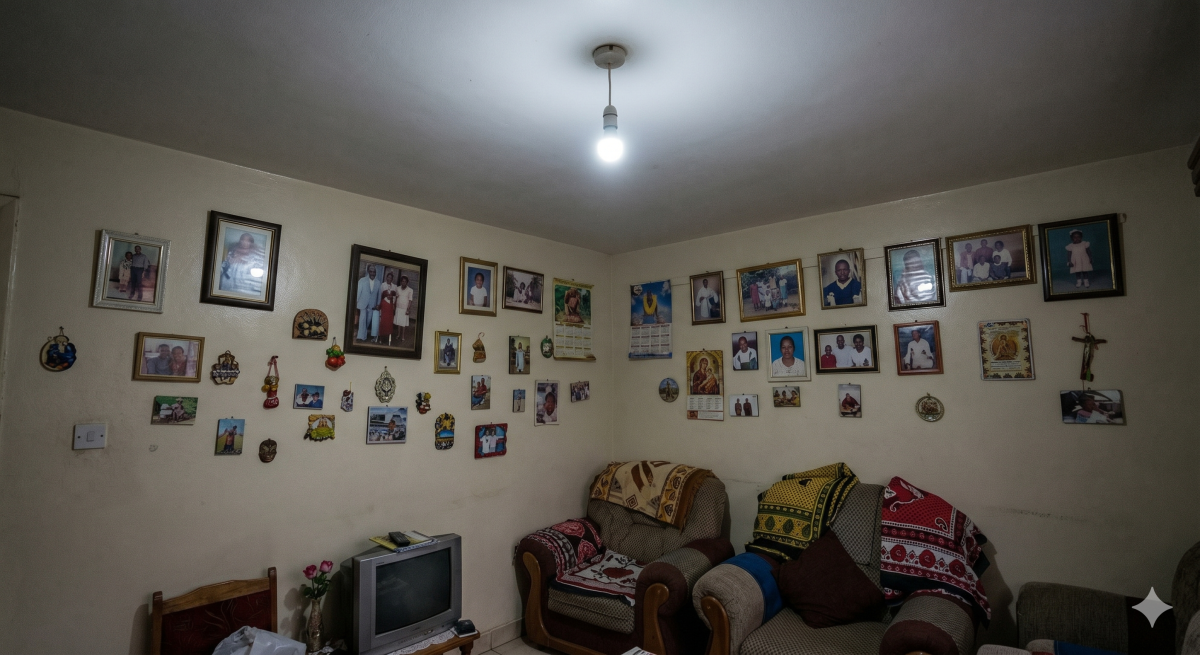
Flat, dim lighting makes ceilings feel lower and rooms feel boxier. A floor lamp in the corner of a sitting room instantly makes it feel less like a box. Warm-toned bulbs soften the space while brighter task lighting at a desk or kitchen counter keeps those zones functional.
If your flat gets natural light, do not block it, use sheer curtains instead of heavy drapes, and furniture pulled away from windows rather than pressed against them.
You are not letting the space breathe
This is the subtlest one: too many small, mismatched items competing for attention (different picture frames, clashing colours, random décor pieces) create visual noise that makes a space feel restless and cramped.
A few deliberate choices beat many scattered ones every time.
Stick to a simple colour palette, limit decorative items to things you genuinely love, and leave some walls bare. Breathing room is what makes the space liveable.