Advertisement
What is Cerebral Palsy? Understanding the condition, its causes, symptoms and treatment
12th July, 2026 12:23 PM

Cerebral palsy is one of the most common physical disabilities that begins in childhood, affecting movement, posture and muscle coordination. Although the condition is lifelong, early diagnosis, appropriate treatment and ongoing support can help many people with cerebral palsy live active and fulfilling lives.
The condition develops when there is damage to the developing brain, either before birth, during delivery or shortly after birth. The injury affects the brain’s ability to control muscles, leading to difficulties with movement that vary from one person to another. While some individuals experience mild symptoms, others may require lifelong assistance with daily activities.
What is cerebral palsy?
Cerebral palsy is a group of neurological disorders that affect movement, muscle tone and posture. The word “cerebral” refers to the brain, while “palsy” means weakness or difficulty using muscles. The condition is not contagious and does not worsen over time because the brain injury itself does not progress. However, the physical effects may change as a child grows and develops.
According to the World Health Organization (WHO), cerebral palsy is caused by abnormal brain development or damage to the developing brain, affecting a person’s ability to control movement and maintain balance and posture.
Causes of cerebral palsy
Cerebral palsy develops when the brain is injured before, during or shortly after birth. In many cases, the exact cause is never identified. The U.S. Centers for Disease Control and Prevention (CDC)explains that problems during pregnancy, including infections, reduced oxygen supply to the baby’s brain or abnormal brain development, can increase the risk. Premature birth and babies born with very low birth weight are also more likely to develop the condition.
The CDC further notes that complications during labour and delivery, including severe lack of oxygen, may contribute in some cases, although this accounts for only a small proportion of cerebral palsy diagnoses. Brain infections, severe jaundice or head injuries during infancy may also damage the developing brain and lead to the condition.
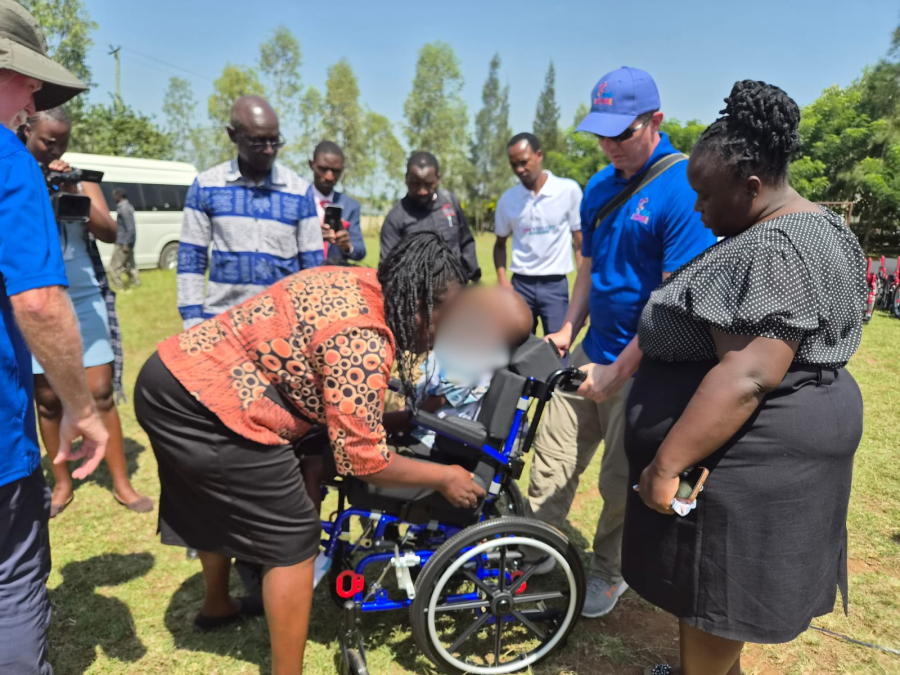
Signs and symptoms
The signs of cerebral palsy often become noticeable during infancy or early childhood. According to the NHS, a child may have delayed milestones such as sitting, crawling or walking later than expected. Some children have stiff muscles, while others appear unusually floppy.
Poor balance, difficulty with coordination, involuntary movements, muscle weakness and problems with posture are also common. Some individuals may experience speech difficulties, swallowing problems, learning disabilities, hearing or vision challenges, although these vary widely depending on the extent of brain involvement.
Diagnosis and tests
There is no single test that confirms cerebral palsy. Healthcare providers usually make the diagnosis by reviewing a child’s medical history, monitoring developmental milestones and carrying out physical and neurological examinations.
According to the Mayo Clinic, brain imaging tests such as MRI scans can help identify areas of brain damage. CT scans may also be used in some cases, while hearing, vision and developmental assessments help determine whether other conditions are present alongside cerebral palsy.
Early diagnosis is important because it allows children to begin therapies that support movement, communication and independence as soon as possible.
Management and treatment
Although cerebral palsy cannot be reversed, treatment focuses on improving mobility, reducing discomfort and helping individuals achieve the highest possible level of independence.
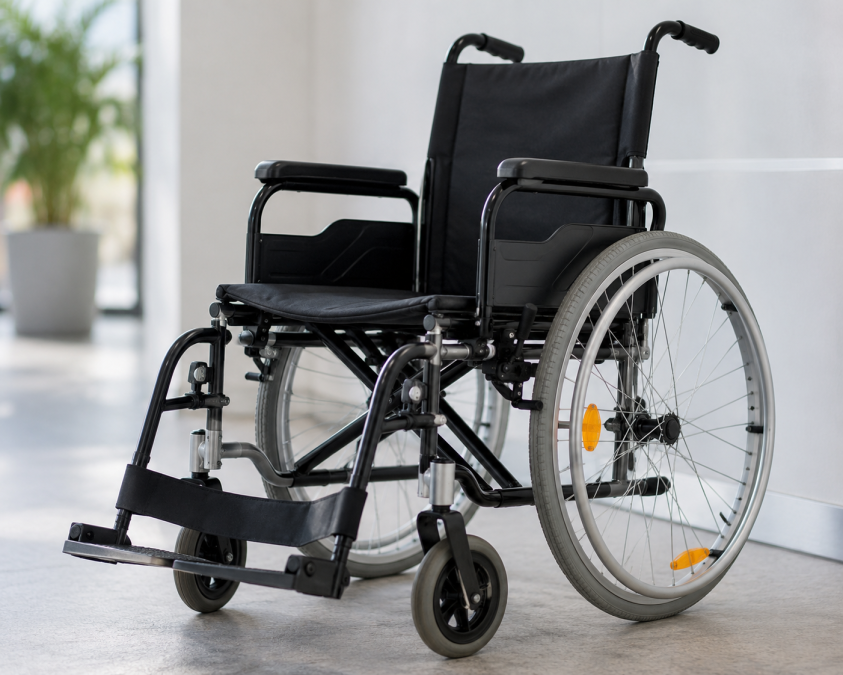
Physiotherapy is often the foundation of treatment, helping strengthen muscles, improve flexibility and enhance balance. Occupational therapy teaches practical skills needed for everyday activities, while speech and language therapy supports communication and swallowing difficulties where necessary.
Some people benefit from medicines that reduce muscle stiffness, while braces, walkers or wheelchairs may improve mobility. In selected cases, surgery may be recommended to correct muscle or bone problems that interfere with movement.
Support from families, schools and healthcare professionals also plays an important role in helping children and adults with cerebral palsy participate fully in education, work and community life.
Is there a cure?
There is currently no cure for cerebral palsy because the brain injury that causes the condition cannot be repaired. However, this does not mean there is no hope. According to the health experts, advances in rehabilitation, assistive technology and specialised medical care continue to improve outcomes for many people living with the condition.
With early intervention, regular therapy and appropriate medical support, many individuals with cerebral palsy can lead productive, independent and meaningful lives. Understanding the condition and recognising the importance of timely care remain key to improving quality of life for affected individuals and their families.