Advertisement
Relief for motorists as Rironi-Naivasha dual carriageway to open by August this year
12th February, 2026 02:55 PM
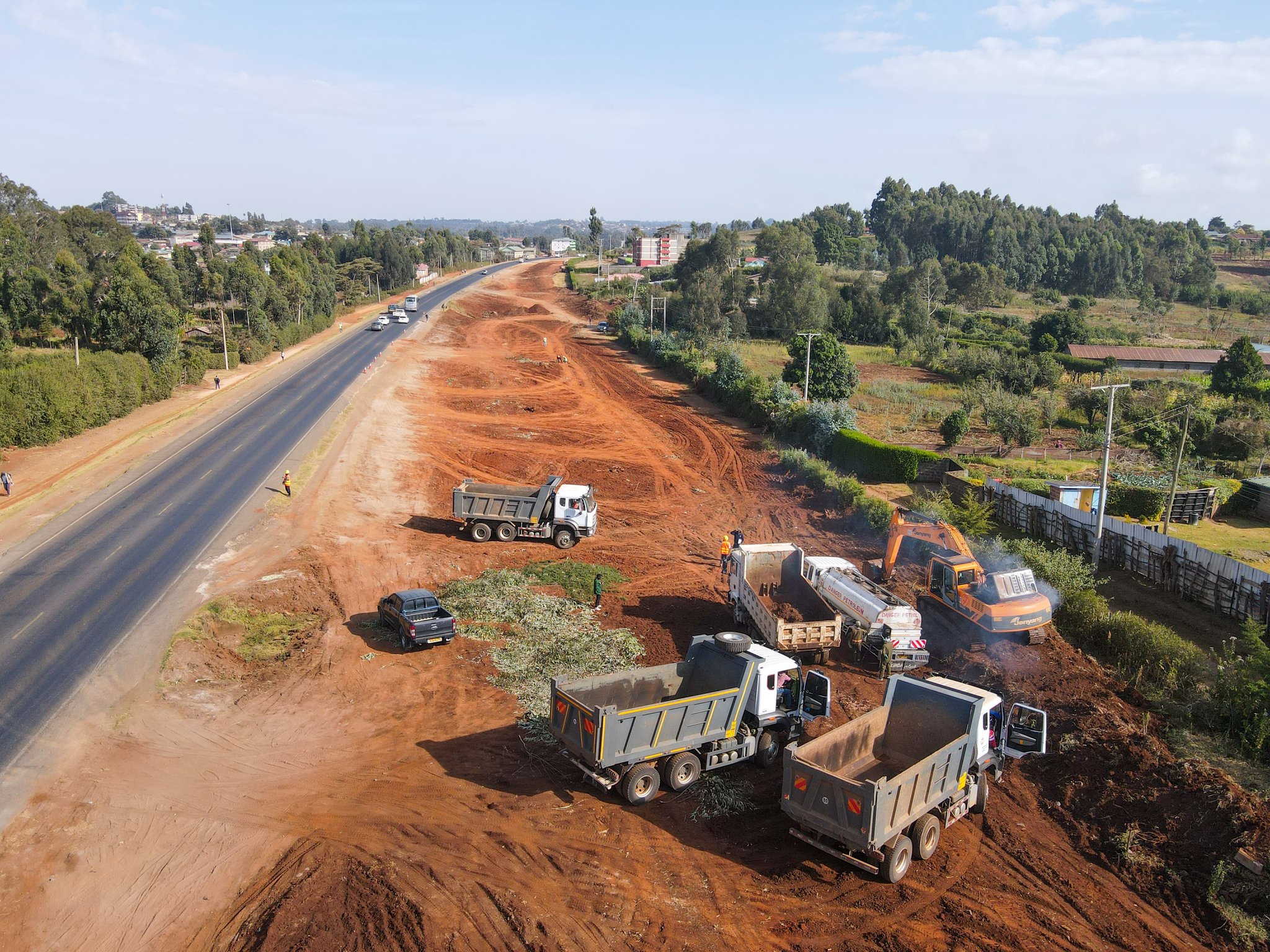
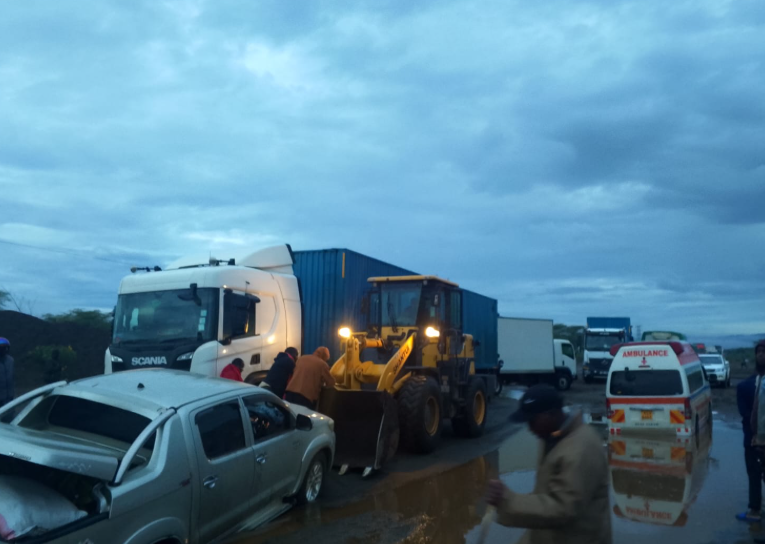
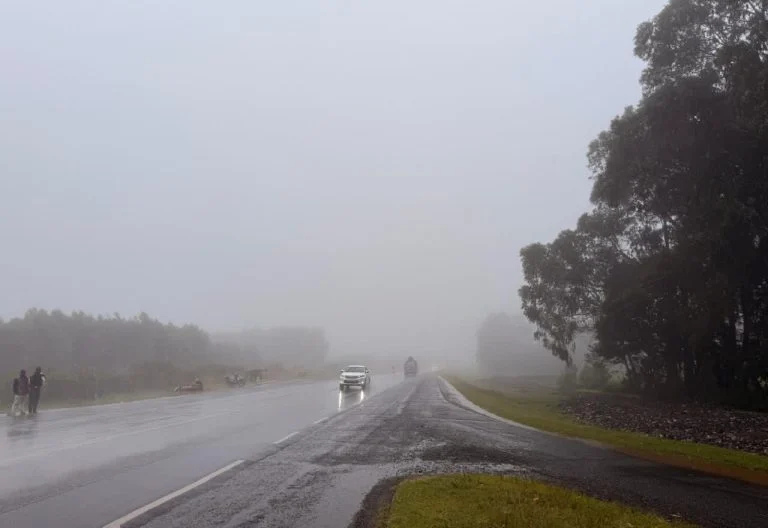
The notorious gridlocks and agonising crawls through the Rironi-Naivasha escarpment may soon be a thing of the past for motorists as the government moves with speed to finish construction on time.
In a major progress update that will be music to the ears of long-distance travellers, Transport Cabinet Secretary Davis Chirchir has officially confirmed that the first phase of the multi-billion shilling Rironi-Mau Summit highway expansion will open to traffic by late August 2026.
Appearing before a high-level parliamentary committee on Wednesday, February 11, 2026, the Cabinet Secretary painted a picture of a project moving at breakneck speed.
To ensure the critical trade artery is delivered without the delays that often plague mega-infrastructure projects, the ministry has deployed an army of 24 subcontractors to work simultaneously across the 175-kilometre stretch.
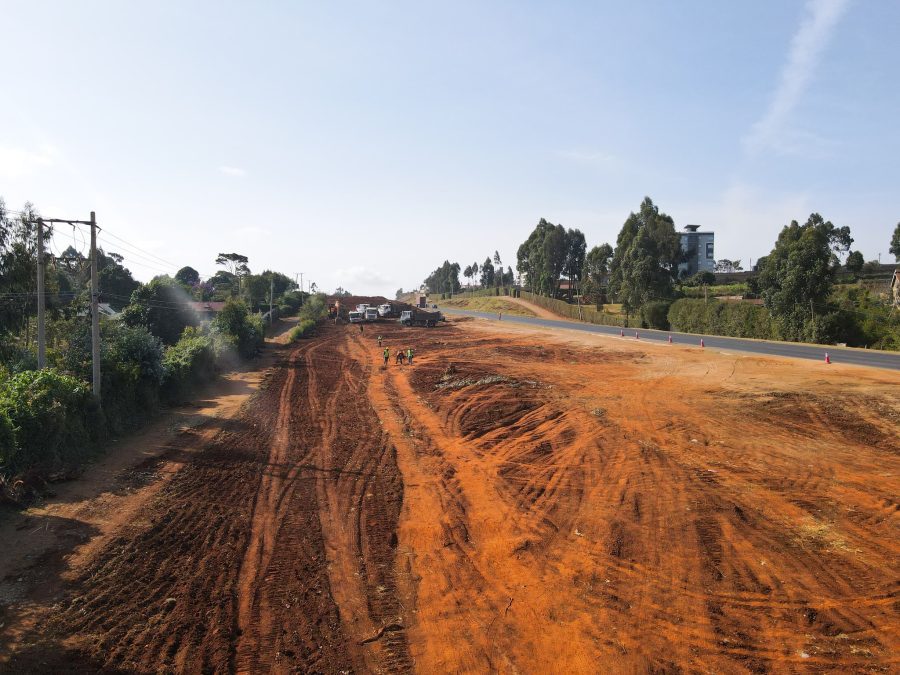
The expansion is far more than a simple dualing project. According to the CS, while the initial Rironi to Naivasha section will operate as a four-lane dual carriageway, the high-traffic corridor between Naivasha and Nakuru is being built as a massive six-lane super-highway.
This move is designed to accommodate the heavy transit of trucks moving toward the Great Lakes region and Western Kenya.
“Rironi to Naivasha will open to traffic by August; we would have finished that section,” Chirchir told lawmakers.
“And then we will go to the Mai Mahiu side. This is Rironi-Mai Mahiu-Naivasha… June next year the whole road will be done,” he added.
However, the convenience of a world-class road comes with a significant price tag for the Kenyan taxpayer and motorist.
The government confirmed that the highway will operate as a toll road, with proposed rates starting at approximately Ksh8 per kilometre for passenger cars.
For a driver moving from Rironi to Naivasha, this could mean a significant new daily or weekly expense in exchange for saved time and fuel.
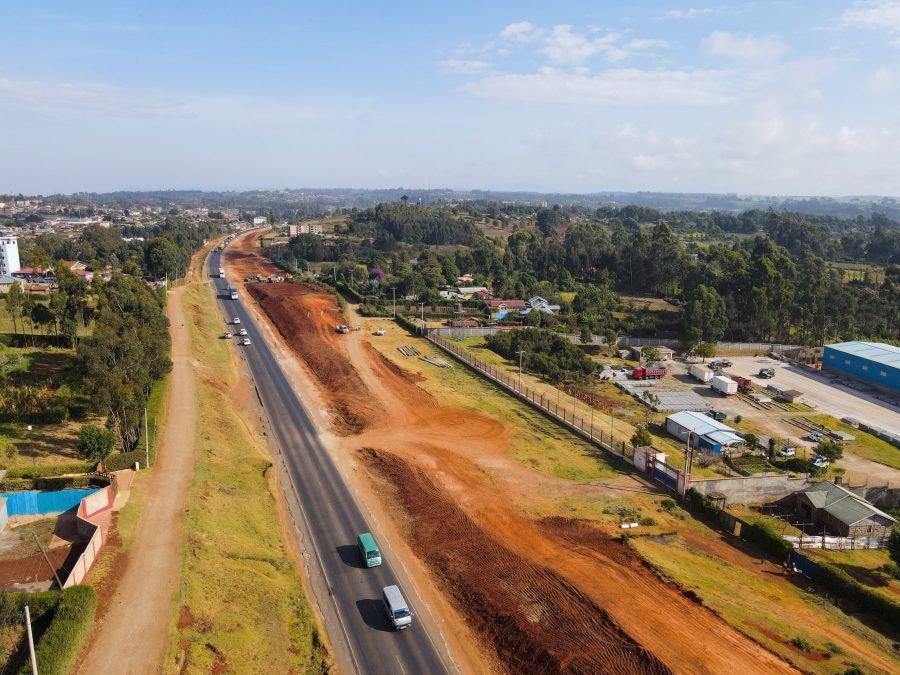
To prevent the project from stalling, the Ministry of Transport has split the contract into two primary fronts. 12 subcontractors have been assigned to the Rironi to Gilgil section, while another 12 are currently breaking ground on the Gilgil to Mau Summit stretch.
Construction is already visible at several strategic points, including Kariandusi and Mau Summit, where heavy machinery is working around the clock.
The CS noted that once the “upper side” (A-8) is opened in August, focus will immediately shift to the A-8 South route through Mai Mahiu, ensuring the entire network is seamlessly integrated by mid-2027.
The project remains one of the most significant infrastructure undertakings of the decade, promising to unlock the economic potential of the Rift Valley and beyond.