Advertisement
Urgent action needed to prevent starvation crisis in Kenya
17th September, 2025 07:31 AM

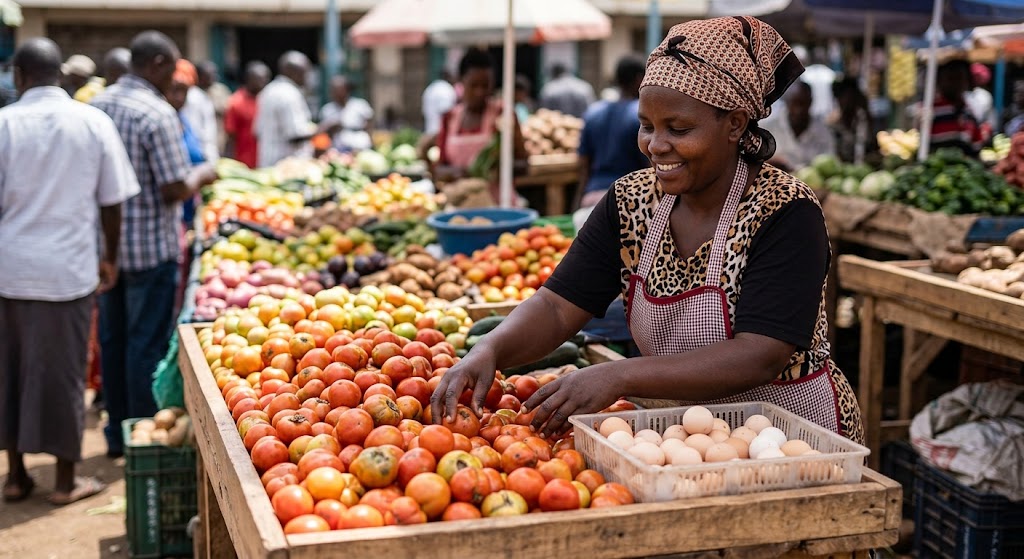
Kenya has been listed among the six IGAD nations facing one of the worst food crises in recent years, with 42 million people predicted to experience high levels of acute food insecurity in 2025.
According to the Regional Focus of the 2025 Global Report on Food Crises, the threat is most severe in countries such as Sudan and South Sudan, which also extends across Djibouti, Kenya, Somalia, and Uganda.
Kenya stands at a crossroads, with millions already struggling with climate, food shortages, and economic shortages, a crisis looming at large that requires urgent action.
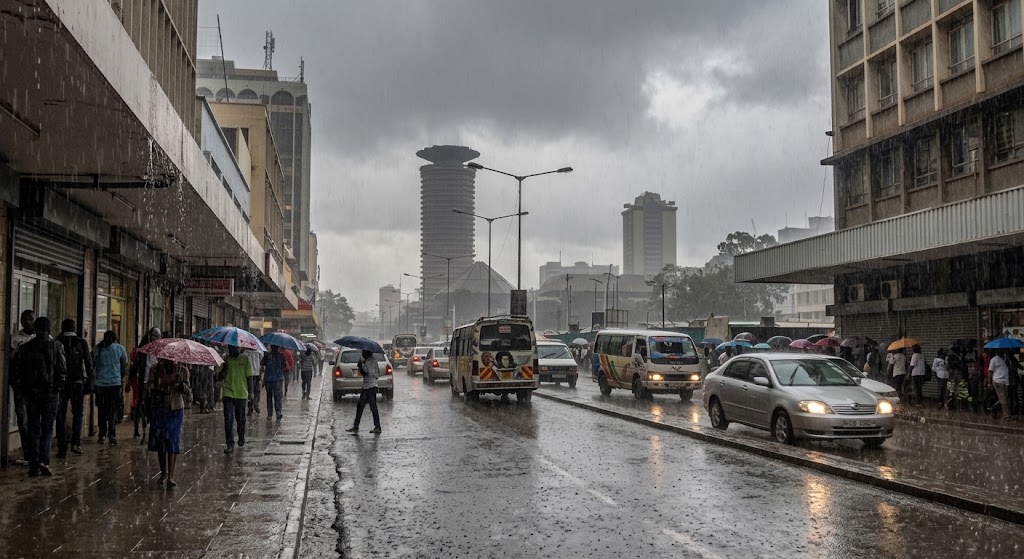
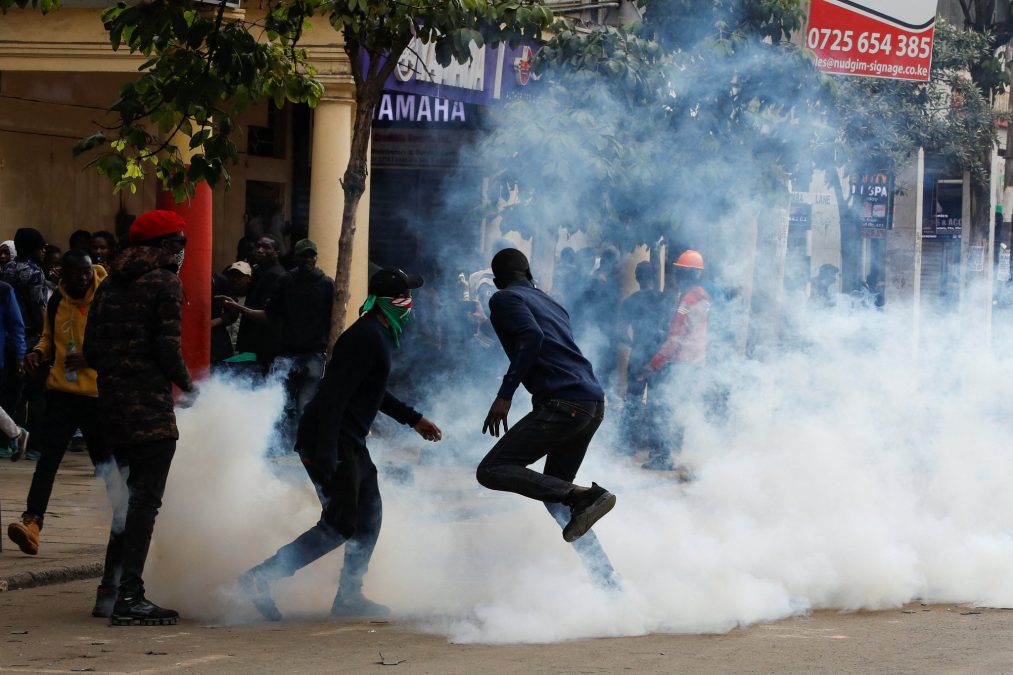
Severe drought and erratic rainfall in some parts of the country are some of the factors that have posed a food danger. To add to the salt is the rapid inflation and the recent anti-government protests that saw many properties destroyed.
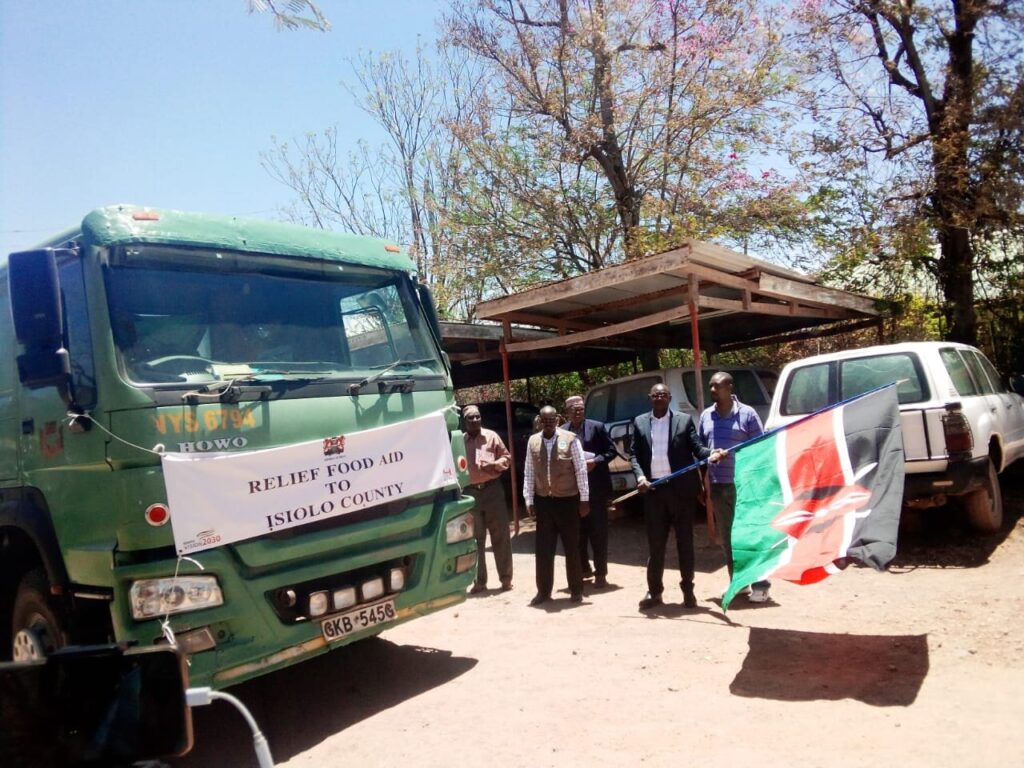
Kenyans starving?
While the government insists that there was a heavy harvest, the looming crisis not only undermines the efforts but also poses a danger to learners.
Kenya needs to act swiftly now that humanitarian aid is not guaranteed following United States President Donald Trump’s cut of aid.
For many who are displaced, livelihoods have been shattered, social support networks lost, and reliance on dwindling humanitarian assistance has deepened.
The urgency of the situation cannot be overstated. Without immediate and targeted intervention, particularly in education, food security, and health, the country may face a generational crisis that will take years to recover from.
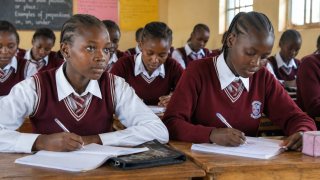
Teachers in some areas have raised an alarm about students fainting in class or being unable to concentrate due to hunger. In arid and semi-arid counties, where poverty and drought intersect most harshly, school feeding programmes have been a lifeline at risk due to funding cuts and poor government coordination.
Tame graft and take initiative to invest heavily in drought-resistant crops to maximise production.
The government must prioritise not only food relief but also ensure that school feeding programmes are scaled up and properly managed.
Partnerships with Non-Governmental Organisations (NGOs), community-based organisations, and the private sector must be revived or strengthened to plug the gaps left by international donors. Investing in resilient agricultural systems and emergency preparedness will also be key in preventing future disruptions.