Advertisement
Gen Z’s #SiriNiNumbers revolt: Police slept on hashtag that lit up Kenya
27th June, 2025 08:07 AM

The dust is still settling across the country after a day of unprecedented chaos, death, and destruction on Wednesday, June 25, 2025, that saw Gen Z, armed with hashtags and a daring spirit, clash violently with security forces.
What began as a social media movement under the rallying cry #SiriNiNumbers (The Secret is Numbers) culminated in a bloody nationwide revolt that left at least 16 dead and cities scarred by wanton destruction.
In a grim postmortem of the June 25 protests, it’s becoming chillingly clear that authorities, particularly the police, grievously downplayed the power of Gen Z’s digital mobilisation.

While warnings circulated, the sheer scale and intensity of the youth-led uprising caught the state apparatus off guard.
The #SiriNiNumbers hashtag wasn’t just a catchy phrase; it was a potent call to action, reminding social media users that their collective strength lay in their sheer numbers.
The message was explicit: a massive turnout could overwhelm security forces, and even lead to the unthinkable – storming the sacred gates of State House.
And storm they did, or at least they tried.
The protests, formally organised under the audacious banner of ‘Occupy State House’, drew direct inspiration from last year’s infamous invasion of Parliament on June 25, 2024.
This year’s demonstrations were explicitly held to commemorate the deadly events of a year prior, where dozens were killed by security forces.
The memory of that day, coupled with simmering resentment over police brutality (notably the recent death of blogger Albert Ojwang in police custody) and pervasive economic hardship, ignited an even fiercer fire.
A day of blood and fire
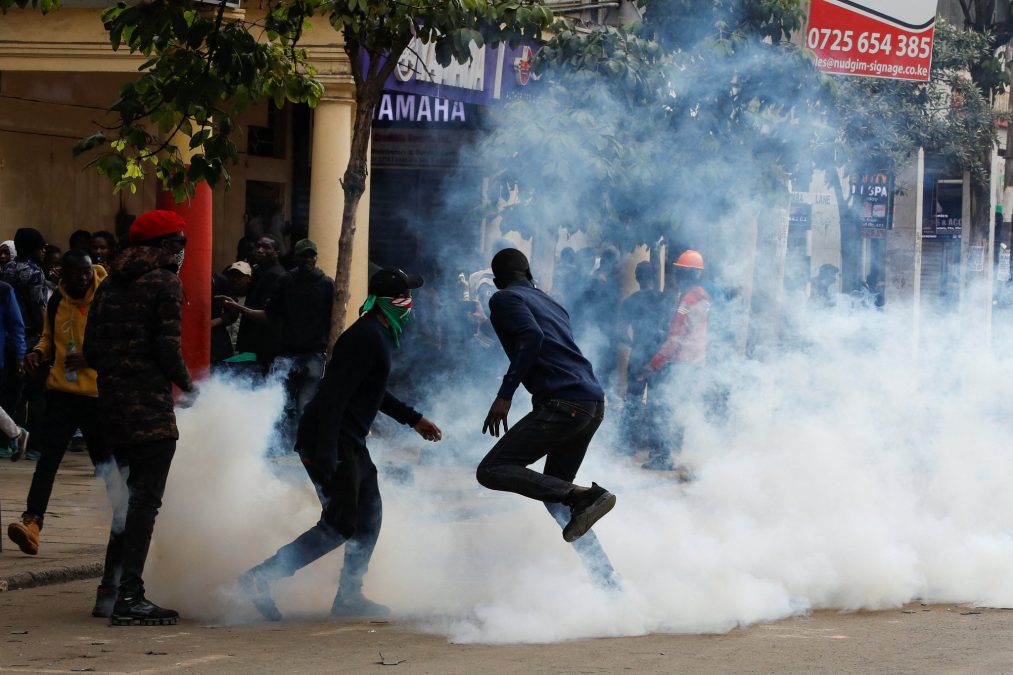
Wednesday’s demonstrations quickly spiralled into a nightmare.
Human rights groups, including Amnesty International and the Kenya National Commission on Human Rights (KNCHR), have confirmed at least 16 deaths across the country, predominantly in Nairobi, while the national government has said that at least 10 people were killed.
Harrowing reports indicate that many of these fatalities were from gunshot wounds, with the KNCHR specifically citing 8 such deaths across six different counties. Over 400 people were reported injured, some critically, including protesters, police officers, and even journalists caught in the crossfire.
The economic heart of Nairobi, including areas around Moi Avenue and Koja, was ransacked.
Businesses saw their livelihoods shattered as shops were attacked, looted, and then set ablaze.
Traders are counting losses running into millions, their stock gone, their premises charred.

The audacious attacks weren’t limited to commercial property.
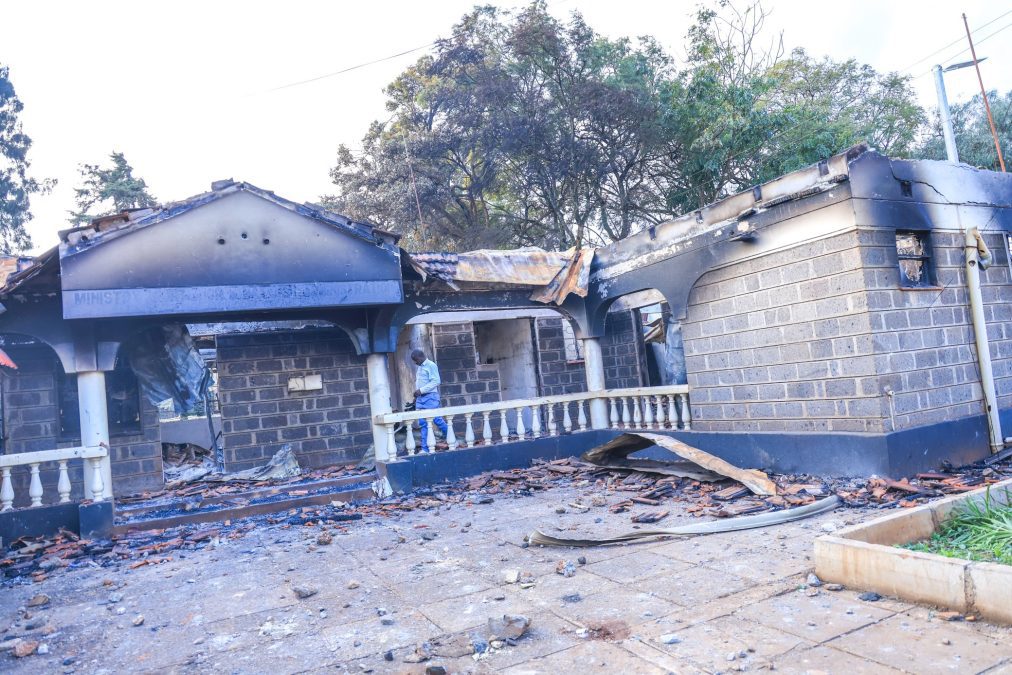
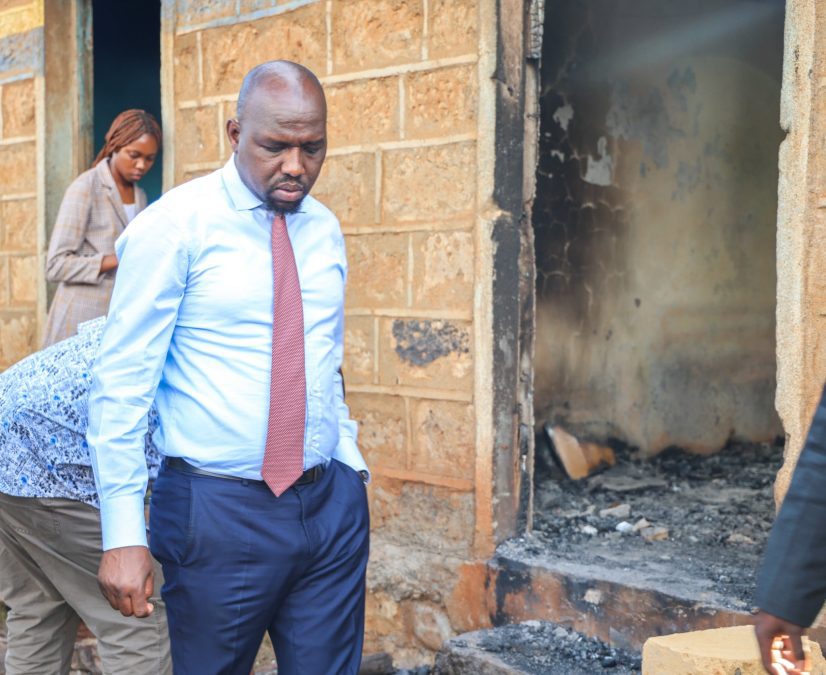
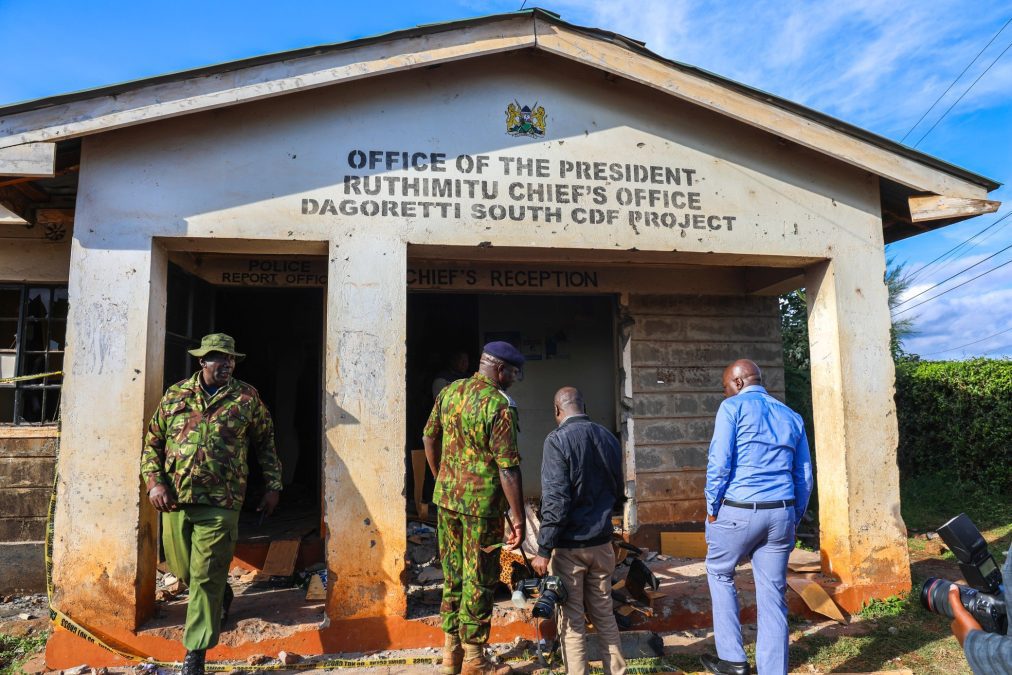
In a shocking escalation, protestors in Kikuyu town stormed and torched government buildings, including a police station and a courtroom, marking a severe breach of law and order.
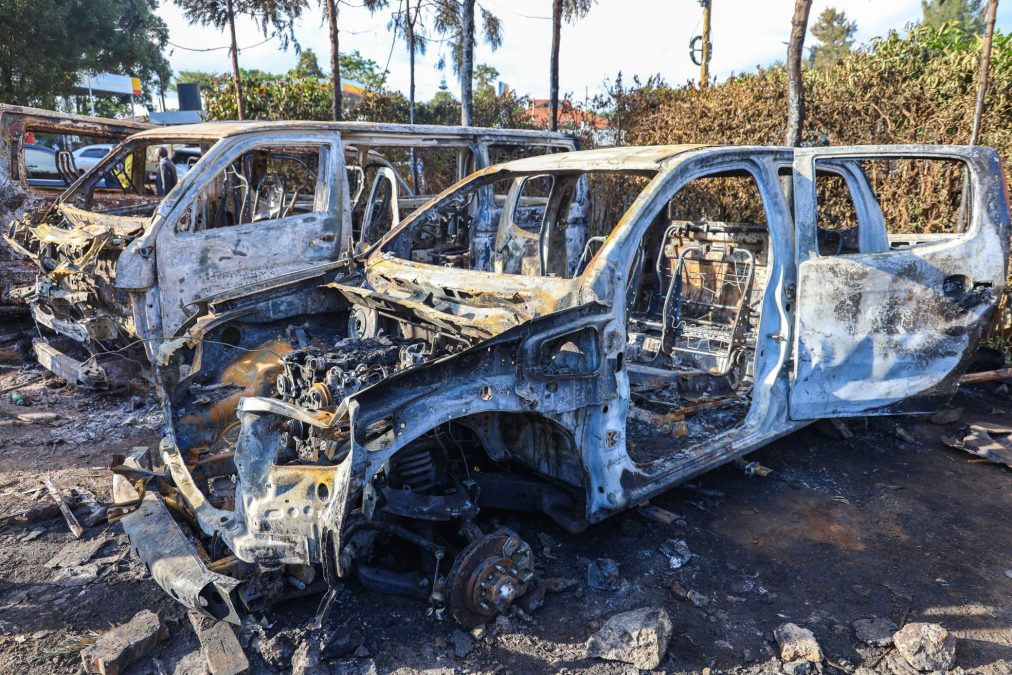
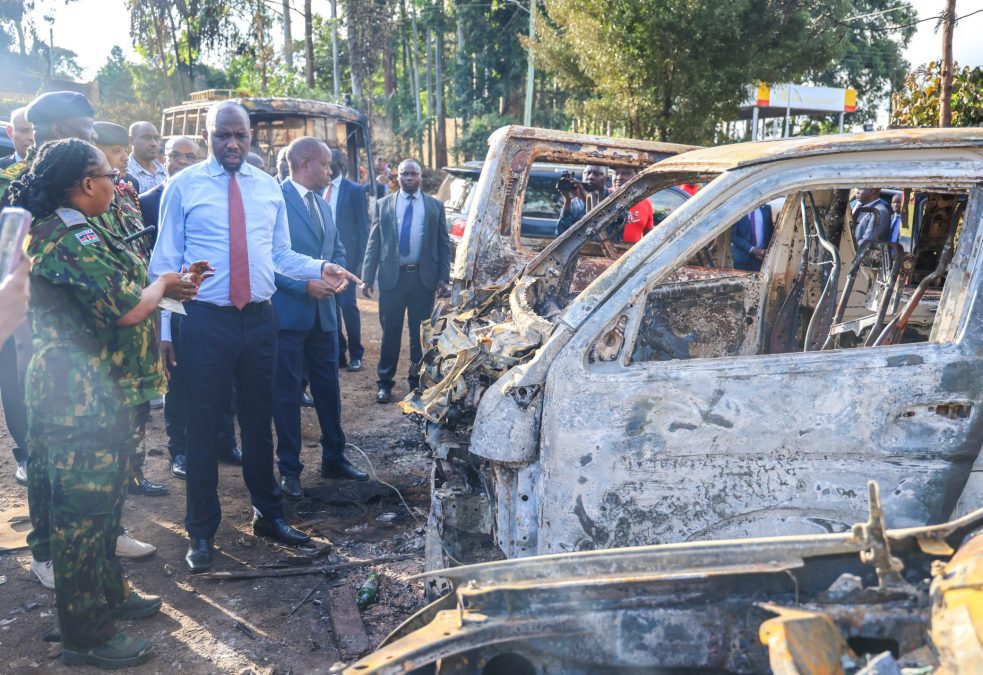
27 national and county government vehicles, along with 65 civilian vehicles (including a school bus), were destroyed.
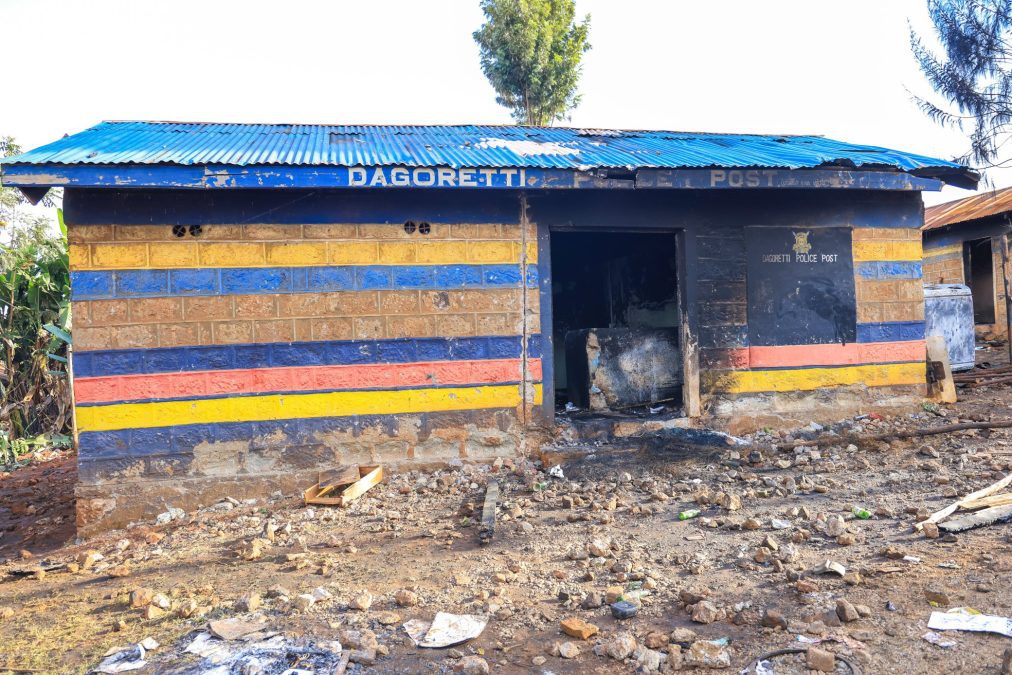
In a brazen act, five firearms were stolen from Dagoretti Police Post, and four more were burned at Gachui Police Post, raising serious security alarms.
Shoot to kill order
In the immediate aftermath of these brazen attacks on police installations and the widespread arson, Interior Cabinet Secretary Kipchumba Murkomen issued a chilling warning.
Murkomen, on Thursday, June 26, 2025, issued shoot-to-kill orders on anyone trying to storm a police station.

Speaking when he toured some of the police stations to assess the aftermath of the Wednesday, June 25, 2025, Gen Z memorial protests, Murkomen told the locals that he had ordered the police officers to shoot anyone who would invade a police station with ill intentions.
“Ile shida inafanya saa zingine polisi wapige wakora risasi ni kwa sababu wanashikwa, wanaenda alafu wanarudi kuchekelea polisi wakisema sasa tulifika wapi, hakuna kwenye tulienda. Na tumeambia polisi, mtu yeyote ambaye atakaribia police station, piga yeye risasi,” Murkomen said.
While specifics of a direct “shoot to kill” order are debated, Murkomen’s strong rhetoric, defending police actions and condemning the protestors as terrorism disguised as dissent and an attempted coup, indicated a hardening stance.
His remarks effectively gave carte blanche to security forces, particularly after police stations were invaded and set ablaze.
The brutal police response, characterised by tear gas, rubber bullets, and crucially, live ammunition, has drawn widespread condemnation from human rights organisations, who accuse the authorities of excessive force.

For many, the brazen killing of blogger Albert Ojwang in police custody earlier this month had already served as a stark reminder of unaccountable police brutality, fueling the rage that exploded on June 25th.
Adding to the chaos, major television stations NTV, KTN, and K24 were briefly switched off by the Communications Authority for their live coverage of the protests.
However, a swift High Court intervention later that same day ordered their immediate restoration, reaffirming the fragile but vital tenets of media freedom in Kenya.

As the country wakes up on June 27, 2025, the nation grapples with the devastating aftermath of a youth uprising that the authorities seemingly failed to grasp.
The #SiriNiNumbers movement has proved its terrifying potency, leaving a trail of death, destruction, and an enduring question: has the government truly understood the depth of this generation’s anger?
Author
Martin Oduor
The alchemist of literary works - a master wordsmith with a proven record of transforming the raw materials of language into a rich tapestry of emotion, thought, and imagination.
View all posts by Martin Oduor