Advertisement
Compensating sexual violence survivors: Historic win, but where’s the systemic change?
20th July, 2025 07:23 AM
Kenya this week marked a significant milestone in its human rights journey.
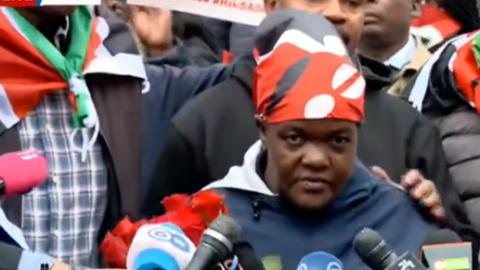
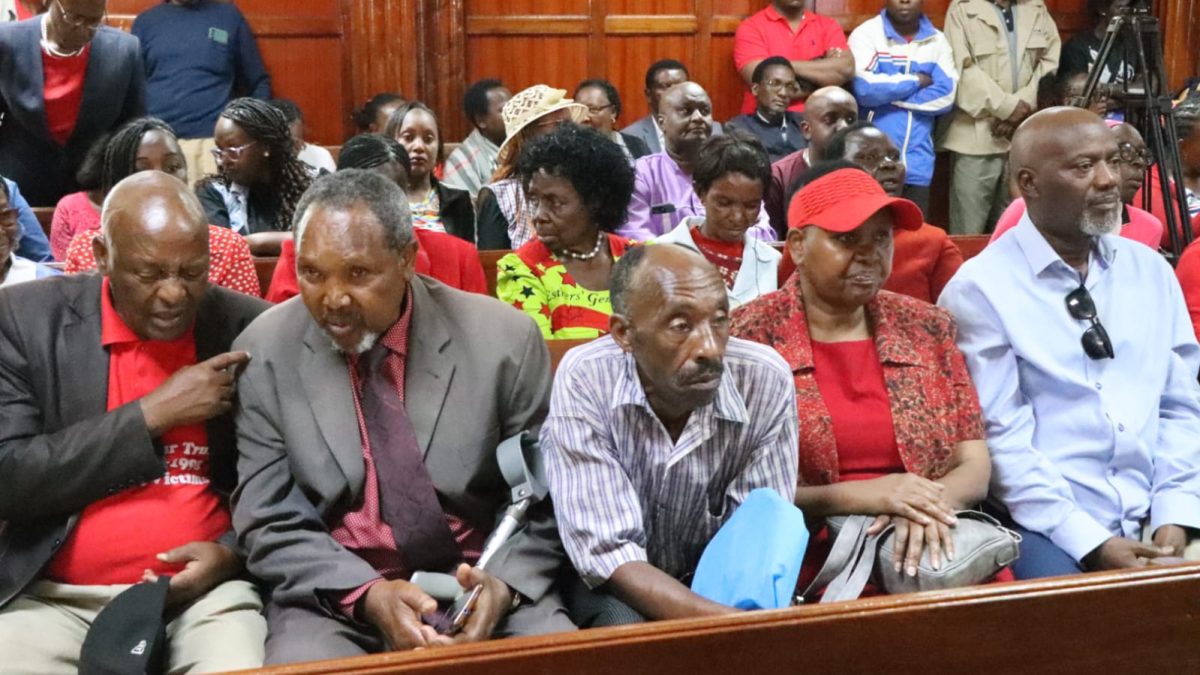
On July 18, the government compensated four survivors of sexual violence stemming from the 2007–2008 post-election crisis, disbursing a total of Ksh16 million.
This payout, highlighted by the Coalition on Violence Against Women (COVAW) and other advocacy groups, represents the first time the Kenyan state has officially acknowledged and financially redressed survivors of conflict-related sexual violence.
The move follows a gruelling 13-year legal battle that culminated in a landmark High Court ruling in December 2020. While the payout is a hard-won victory for the survivors and their advocates, it also highlights the slow and often painful path to justice in Kenya. More importantly, it exposes the lack of systemic reforms needed to prevent such violations from recurring.
Battle for justice finally bears fruit
The compensation comes from Petition 122 of 2013, filed by eight survivors of sexual violence during Kenya’s 2007–2008 post-election violence. That period saw the country plunge into chaos following disputed election results. More than 1,100 people were killed, thousands were displaced, and countless others—especially women—suffered horrific acts of sexual violence.
The survivors who filed the petition sought accountability from the state for failing to protect its citizens and for the absence of justice afterward. In 2020, the High Court ruled in their favour, affirming the government’s obligation to compensate survivors for the violation of their constitutional rights. Yet it took nearly five years after the judgement for the state to release the funds, a delay that has frustrated both victims and human rights defenders.
For the four survivors who received Ksh16 million, the payout carries deep personal significance. “I thought I would die before receiving my court-ordered compensation,” one survivor said during the announcement. “Many thanks to the government of Kenya for humanising me and for hearing me.”
COVAW echoed this sentiment in a statement, noting that the compensation is about more than money. “This is about recognition, healing, and setting a precedent,” the organisation said. For survivors, the payment represents an acknowledgement of their suffering, a restoration of dignity, and the beginning of healing after years of being ignored.
Setting a precedent but leaving gaps
The payout is a first for Kenya and sets both a legal and moral precedent. By compensating survivors, the state has publicly recognised its responsibility to offer reparations for conflict-related sexual violence. This aligns with international frameworks like the United Nations’ Basic Principles on the Right to Remedy and Reparation, which require states to provide effective remedies for victims of gross human rights violations.
However, even as the country marks this milestone, significant gaps remain. The Ksh16 million covers only the principal award determined by the court. Interest payments, which have accrued since the 2020 judgement, remain unresolved.
Furthermore, the 2020 ruling compensated only four of the original eight petitioners. The four survivors who were left out of the award had been attacked by non-state actors, and the court held that the government could not be held responsible in those cases. These survivors, through civil appeal case F645 of 2021, are still fighting for recognition. They argue that the state failed in its duty to prevent and respond to all forms of sexual violence, regardless of who perpetrated the crimes.
This distinction has exposed a critical gap in Kenya’s legal framework. The state’s accountability for acts committed by non-state actors remains contested, leaving many survivors without access to justice. Advocates warn that until this issue is addressed, the country risks sending a dangerous message: that some survivors are more deserving of justice than others.
Road to systemic change
While the government’s action this week marks a historic moment, the broader fight against sexual violence in Kenya is far from over. The 2007–2008 post-election violence left thousands of survivors of sexual assault. Yet, after 13 years of advocacy, only four have received compensation. This reality raises difficult questions about the government’s willingness to enact broader reforms.
Key concerns remain unaddressed. Where are the mechanisms for the timely investigation and prosecution of sexual violence cases? Where are the policies designed to prevent such atrocities during future conflicts? The absence of specialised units for investigating sexual violence, the lack of mandatory training for law enforcement, and the failure to establish a national reparations fund all point to a justice system that is reactive rather than preventive.
Sexual violence remains a pervasive issue in Kenya, especially during periods of political unrest and in regions affected by inter-communal clashes. From banditry in the North Rift to ongoing election-related tensions, survivors continue to face stigma, underreporting, and institutional neglect. A 2013 Human Rights Watch report highlighted how few perpetrators of the 2007–2008 violence were brought to justice—a trend that persists today.
COVAW and its partners have vowed to continue the fight. They are calling for a comprehensive approach that goes beyond financial compensation. This includes psychosocial support, access to medical care, legal aid, and economic empowerment programs for survivors. Unfortunately, such services remain underfunded and out of reach for most victims.
The international community also has a role to play. As a signatory to various human rights treaties, including the Convention on the Elimination of All Forms of Discrimination Against Women (CEDAW), Kenya is obligated to take concrete steps toward ending gender-based violence. Donors and international partners can support this process, but advocates caution against imposing one-size-fits-all solutions that ignore local realities.
As Kenya celebrates this step toward justice, the question remains: will this moment spur lasting change, or will it remain a symbolic victory? For the four survivors compensated this week, justice has finally arrived. But for the thousands of others still waiting, the journey continues.
For now, the shield has protected a few—but the broader battle for systemic change is far from won.