Advertisement
Why you still cannot edit M-Pesa transaction even with database access
17th April, 2026 09:36 AM
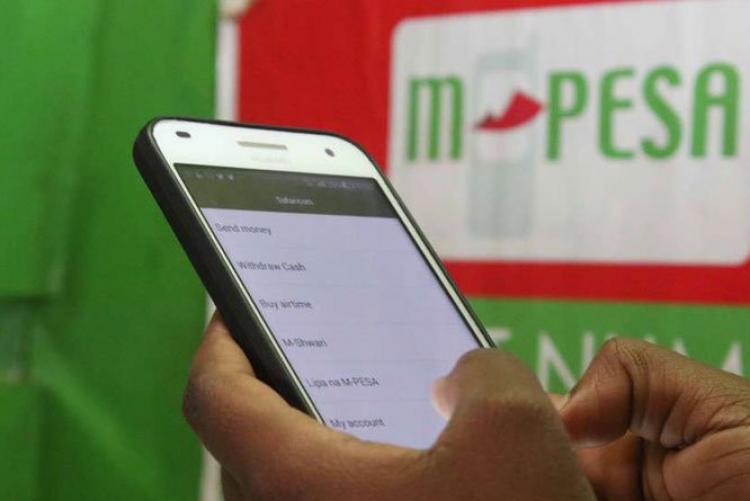
Many people have wondered about it after sending money to the wrong number or seeing an unexpected balance.
If someone had access to the system, why can’t they just change the record, add money, or edit a transaction quietly?
It sounds simple in theory. But payment systems such as M-Pesa are built in layers, checks and permanent records. They are designed from the ground up to make silent changes extremely difficult, risky and easy to detect.
That is because mobile money runs on trust. The moment people stop trusting balances, confirmations and transfers, the whole system loses value.
What is an M-Pesa transaction?
An M-Pesa transaction is an official movement of value inside the system.
It may be sending money, paying a bill, buying airtime, withdrawing cash or receiving payment from a customer.
Once you enter your PIN and the transaction is confirmed, it becomes part of the official financial history. It is no longer just something on your screen. It is now a recorded event.
Why is it not just one simple system
Many people imagine one central screen where everything can be edited. Real payment platforms are usually more protected than that.
Think of it like a building with many locked rooms. What you see on your phone is only the reception area.
Behind that are several controlled sections handling identity checks, balances, transaction records, fraud monitoring, confirmations, reporting and backups.

So even if someone interfered with one visible layer, other layers may still hold the true records and quickly expose the mismatch.
That is why changing a number on the surface is not the same as changing the real system.
Why fake balance changes often fail
Sometimes people hear stories of someone “adding money” or changing balances. In many cases, what appears changed may only be a temporary display, not the true financial record.
It is similar to changing the label on a water bottle without changing what is inside.
The real system continues comparing records across multiple sections.
If one part says you have Ksh50,000, but the deeper records do not agree, alarms, rechecks, or automatic corrections can follow.
A balance is trusted because many parts of the system agree on it, not because one screen shows it.
The four rules that protect money records
Reliable payment systems follow simple principles, even if users never see them.
First, a transaction must finish fully or not happen at all. Money cannot safely disappear from one side and fail to arrive on the other.
Second, the numbers must always make sense. If you have Ksh200, the system should not quietly approve Ksh2,000.

Third, your transaction must remain separate from everyone else’s. Millions of users may be active at once, but your payment should not mix with another person’s.
Fourth, once confirmed, the record must stay recorded. That history is what creates trust.
If someone tried to break these rules from inside, the system would usually detect inconsistencies quickly.
Silent guards inside the system
Strong payment platforms also use automatic watchers in the background.
These are internal rules that react instantly when something unusual happens.
If a balance changes in a suspicious way, if records stop matching, or if a move breaks normal limits, the system can flag it, stop it, reverse it or send it for review.
Users may never see these guards, but they are part of what keeps the platform safe.
Why insiders still cannot act freely
Even people with access inside serious financial systems are normally limited by permissions, approvals and logs.
Not everyone can see everything. Not everyone can change anything. Important actions are often recorded with time, user identity and reason.
That means a hidden move can leave footprints.
What happens when you send money wrongly?
The normal path is not secret editing. It is a reversal request, refund process or support intervention that also gets recorded properly.
That way, there is still a clear story of what happened from start to finish.
You cannot simply edit an M-PESA transaction because mobile money systems are built to resist silent changes.
They work in layers, compare records, enforce strict rules and watch for suspicious activity in the background.
To users, it feels like a quick phone payment. Behind the scenes, it behaves more like a heavily guarded ledger where every move must make sense and every confirmed step must be accountable.