Advertisement
What happens to your spine during prolonged standing and how to get relief
08th August, 2026 01:34 PM

Security guards, supermarket cashiers, teachers, and salonists across Kenya know the feeling well. After long hours on the job, a dull, nagging ache settles into the lower back.
While standing seems like a simple posture, remaining still for extended shifts puts quiet, continuous pressure on the spine.
What happens to the spine during static standing
The human spine relies on small, fluid-filled cushions between the bones called intervertebral discs. These cushions work like shock absorbers, keeping the spine flexible and comfortable.
When a person stands still for hours, gravity steadily pulls down on the upper body, squeezing fluid out of these cushions.
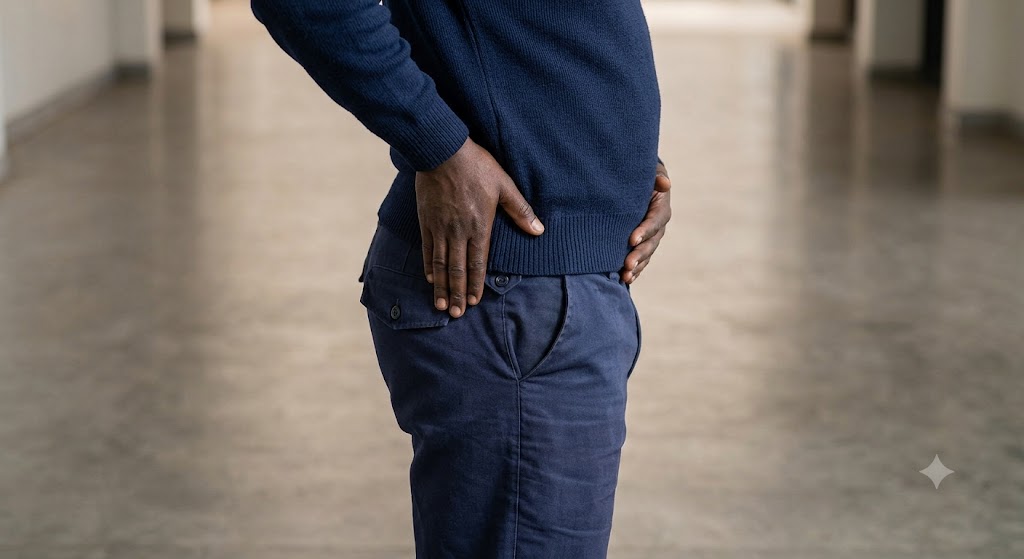
As the spinal cushions lose height, the body naturally adapts by arching the lower back forward. This posture shifts body weight off the compressed cushions and onto the small, delicate joints at the back of the spine.
Because these joints are not designed to carry primary weight, the surrounding muscles tighten up to keep the body stable. This constant strain leads to muscle fatigue and stiffness by the end of the shift.
Research published in Scientific Reports confirms this mechanism, noting that “higher lumbar lordosis” during prolonged standing directly correlates with “standing-induced LBP” (low back pain).
Simple steps to relieve back pressure at work
Relieving spinal compression does not require expensive equipment or long breaks. The goal is simply to change the angle of the hips periodically to reduce stress on the lower back.
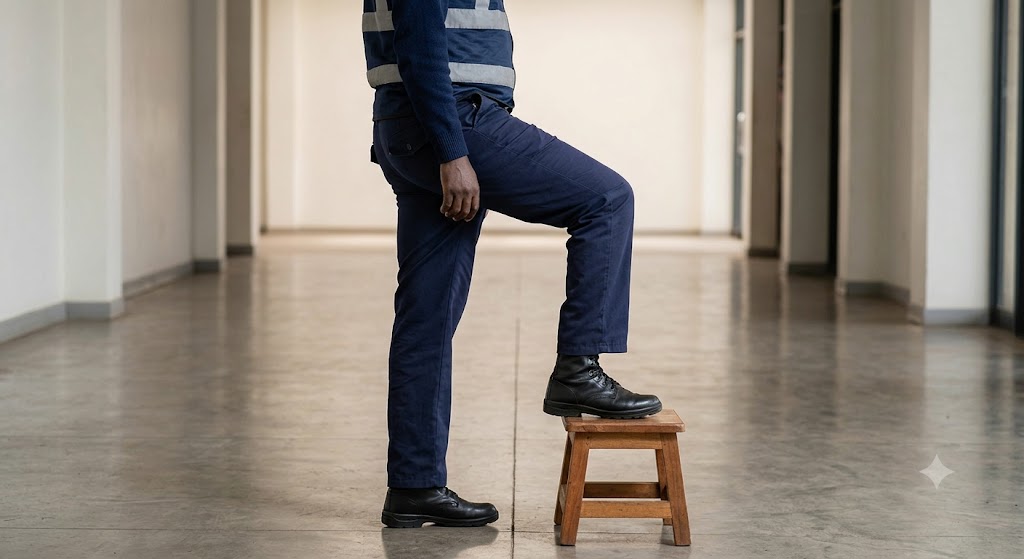
Resting one foot on a low step, brick, or small box for a few minutes offers fast relief. Elevating one leg forces the hips into a slight backward tilt, flattening the sharp curve in the lower back and taking pressure off the rear joints. Switching feet every few minutes helps distribute body weight evenly and keeps muscles relaxed.
Taking brief walking breaks every 20 minutes and doing simple pelvic tilts, where the tailbone tucks slightly forward to reset muscle tension, also prevents stiffness. Paired with comfortable, cushioned footwear, these small adjustments help protect the spine and make long working hours far more manageable.