Advertisement
What those French words on perfume bottles mean
28th April, 2026 04:24 PM
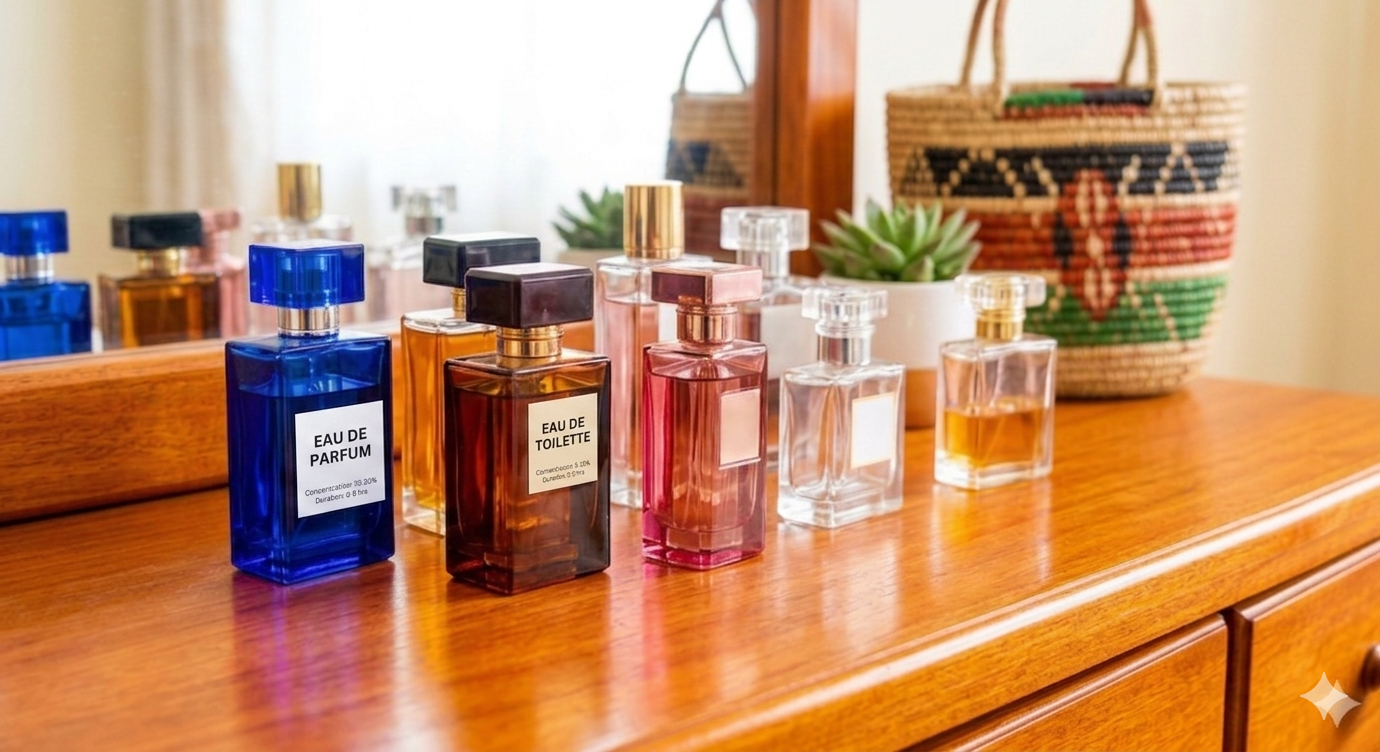
You have probably stood in a beauty shop, picked up a bottle that smells incredible, and noticed a line of French near the base.
Eau de parfum. Eau de toilette. Eau de cologne.
They all arrive in elegant bottles. They all smell like perfume, some too strong while others are mild. So what is actually different?
The answer is concentration – how much fragrance oil has been mixed into the alcohol and water base.
That single factor determines how strong the scent is on your skin, how many hours it lasts, and, quite directly, how much you pay for it.
Breaking down the concentrations
Eau de parfum (EDP) sits at the top end of everyday fragrances, with a fragrance oil concentration of roughly 15 to 20 per cent. That richness means an EDP typically lasts six to eight hours on skin, making it a solid choice for a full day at the office or a night out. It is also generally the most expensive of the three common types.
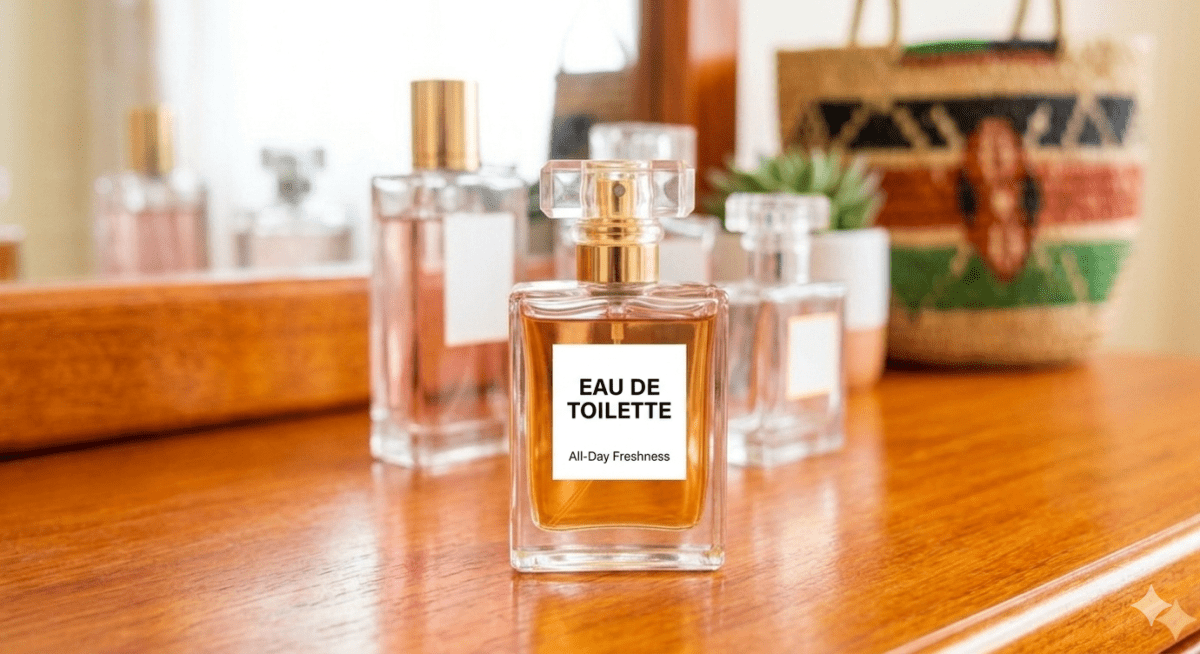
Eau de toilette (EDT) is lighter, at around 5 to 15 per cent concentration. It is the most widely available fragrance type globally and in Kenya, and works well for daytime wear. Expect it to hold for three to five hours before needing a refresh. Most mid-range perfumes sold in supermarkets and beauty shops locally are EDTs.
Eau de cologne (EDC) comes in at roughly 2 to 4 per cent concentration. Fresher, more diffuse, and faster to fade, often within two hours. Many body sprays and post-shower colognes fall into this category. The trade-off is longevity, but the price point is usually the most accessible.
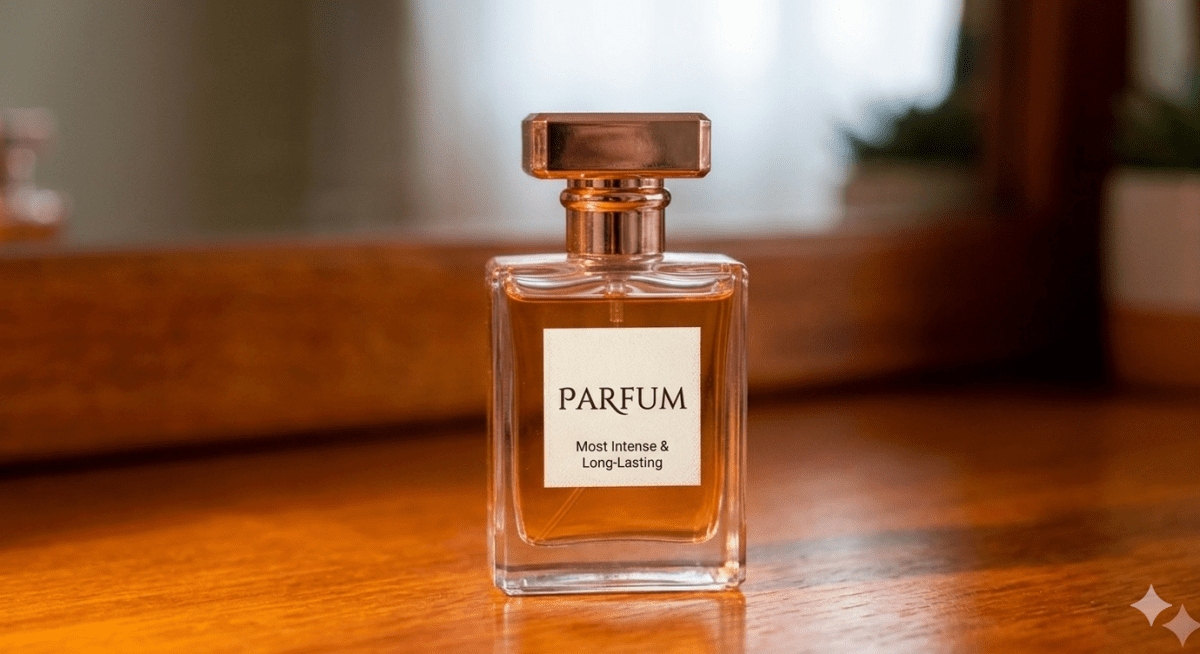
Beyond these three, there is eau fraîche (meaning, literally, “fresh water”), which sits below cologne at about 1 to 3 per cent, and pure parfum (sometimes labelled extrait de parfum) which can reach 30 to 40 per cent and is the most intense, long-lasting, and expensive option on the market.
Which one should you actually buy?
The choice depends on how and when you plan to wear it.
If you want a fragrance that carries through a long workday or a night out without constant reapplication, an eau de parfum is worth the extra cost.
If you prefer something light for daily wear (and Nairobi’s heat is very real) an eau de toilette offers that freshness without being overpowering.

Eau de cologne and body sprays work well as a top-up through the day or a quick, casual scent after a gym session.
However, because EDPs are more concentrated, less goes a long way. Two or three sprays on pulse points (the wrists, the neck, behind the ears) is enough.
Overspraying in an enclosed space is something the people around you will notice immediately.
Understanding what the label says means you shop with intention, spend wisely, and smell exactly the way you planned.