Advertisement
Common mistakes parents make when giving toddlers fruits
25th July, 2026 08:36 PM
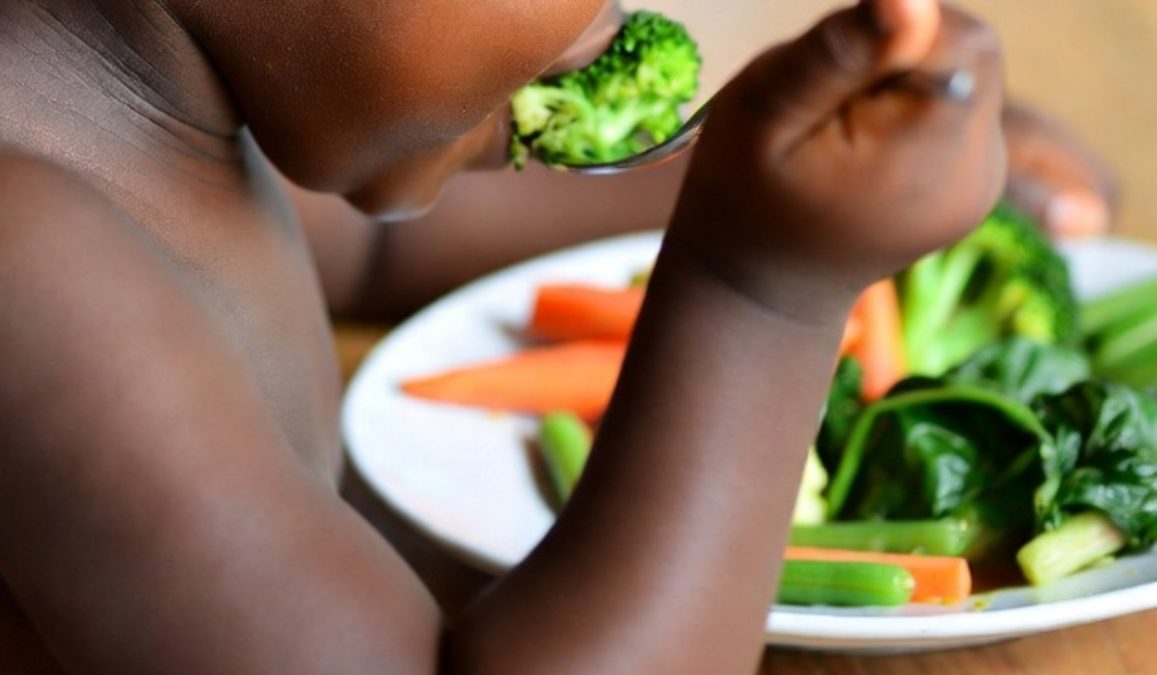
Fruits are packed with vitamins, minerals and fibre that support a toddler’s growth and development. However, the way fruits are served matters just as much as the type of fruit. Some common habits may reduce their nutritional benefits or even pose safety risks.
Here are some mistakes parents should avoid when giving fruits to toddlers.
1. Serving large pieces that can cause choking
Toddlers are still learning how to chew properly. Whole grapes, large chunks of apples, cherries with pits, and similar fruits can become choking hazards.
Failing to cut these items into manageable, non-round pieces is a frequent oversight. Experts advise cutting grapes and similar fruits lengthwise into quarters, not just halves, to reduce this risk effectively.
Likewise, firm fruits like apples or pears should be finely sliced or cooked down until soft, rather than given in large, hard chunks that a toddler cannot safely chew.
Cut fruits into small, age-appropriate pieces, and slice round fruits like grapes lengthwise before serving.
2. Choosing fruit juice instead of whole fruits
Many parents assume fruit juice is just as healthy as fresh fruit. However, juice contains less fibre and can be high in natural sugars.
Whole fruits help children feel full for longer and support healthy digestion.
3. Offering too much fruit
While fruits are nutritious, eating excessive amounts may fill toddlers up before they eat other important foods such as vegetables, proteins and whole grains.
A balanced diet is key to meeting all of a child’s nutritional needs.
4. Adding sugar to fruits
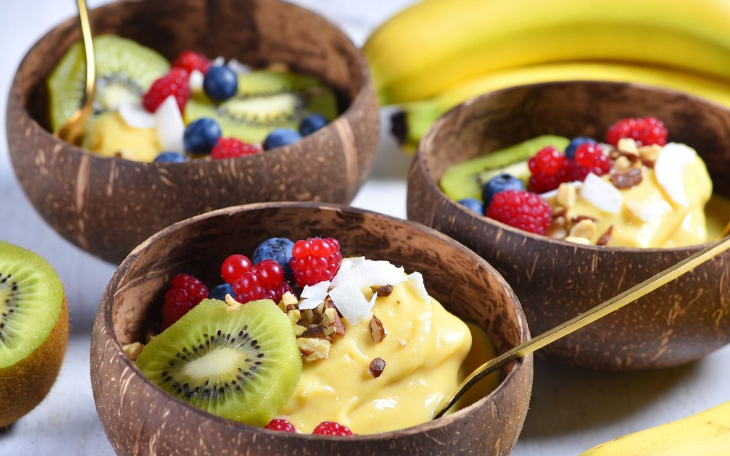
Some parents sprinkle sugar on fruits to make them more appealing. Fresh, ripe fruits are naturally sweet and do not need extra sugar, which can increase the risk of tooth decay and encourage a preference for overly sweet foods.
5. Not washing fruits properly
Fresh produce may carry dirt, bacteria or pesticide residues. Always wash fruits thoroughly under running water before peeling or serving them to your toddler.
6. Ignoring possible allergic reactions
Although fruit allergies are less common than some other food allergies, they can occur. When introducing a new fruit, offer a small amount and monitor your child for signs such as hives, swelling, vomiting or difficulty breathing. Seek medical attention immediately if a severe allergic reaction occurs.
7. Relying on only one or two fruits
Serving the same fruits every day limits the variety of nutrients your toddler receives. Rotate different fruits such as bananas, mangoes, oranges, watermelon, papaya, pears and berries to provide a wider range of vitamins and minerals.