Advertisement
Guide to wearing fragrances for the Kenyan weather
28th June, 2026 11:02 AM

Nairobi weather is famous for its sudden shifts. Many people leave the house in heavy jackets during freezing mornings, only for the midday sun to force a quick change into lighter clothing.
While this climate dictates daily fashion choices, it also completely changes how perfumes behave on the skin. Most fragrance guides are written from a European perspective, leaving local buyers wondering why an expensive scent smells great at dawn but vanishes by noon.
The secret to making a perfume last lies in understanding how heat and skin chemistry interact.
Why midday heat steals your scent
Perfumes are blended using a structure of top, heart, and base notes. Light top notes like citrus, mint, and ginger give the initial burst of freshness, while heavy base notes like sandalwood or vanilla linger for hours.
When ambient temperatures rise in the afternoon, the heat gives these aromatic molecules extra energy, causing them to vaporise much faster than they would in a colder climate.
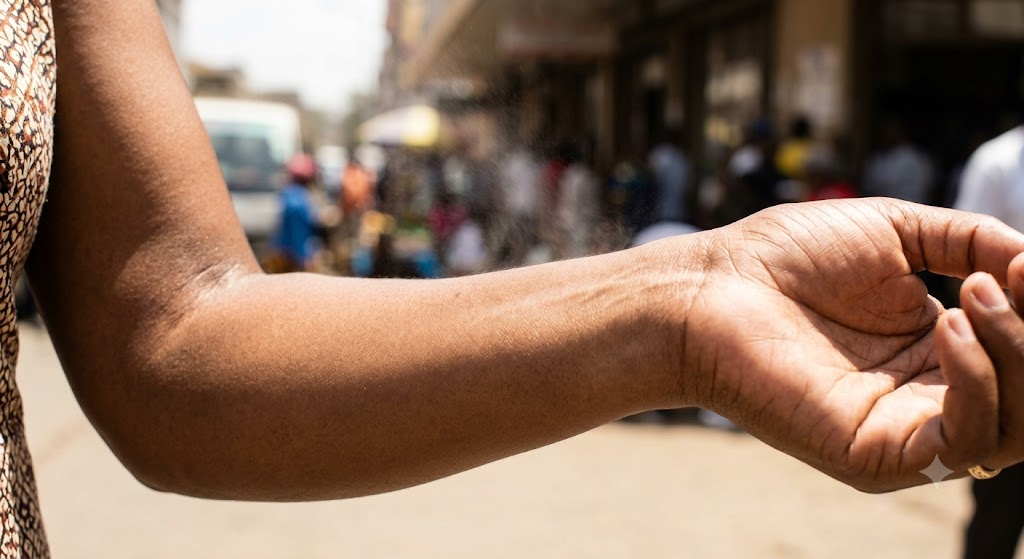
This reaction is a proven scientific fact. A study published in the International Journal of Cosmetic Science confirmed that “skin surface temperature directly modulates fragrance evaporation profiles.”
When the afternoon sun warms the skin, the delicate progression of a perfume is disrupted. The fresh top notes disappear within minutes, forcing the heavier base notes to surface too early and project much more aggressively than intended.
Smart application hacks for the Kenyan climate
Beating the Nairobi weather switch requires a change in daily application habits. Because dry skin accelerates the evaporation of aromatic compounds, keeping the skin well-hydrated is the most effective way to lock in a scent.
Applying an unscented moisturiser before spraying gives the perfume oils a surface to anchor onto, preventing them from flashing off in the heat.

Another useful trick is spraying perfume directly onto clothes rather than just pulse points. Fabric fibres trap the heavier scent molecules and release them slowly, resisting temperature changes better than bare skin. Not too much, though, and never with ‘strong’ perfumes.
This method works perfectly during the traditional cold season around July, when mornings are chilly but afternoons remain warm.
Finally, choosing an Eau de Parfum instead of a light body splash is a better long-term choice. Although a good bottle costs upwards of Sh6,000 in local beauty shops, its higher oil concentration ensures the fragrance survives the daily temperature swings without fading away.