Advertisement
How to tell if hair product is too harsh for your hair
24th July, 2026 02:51 PM
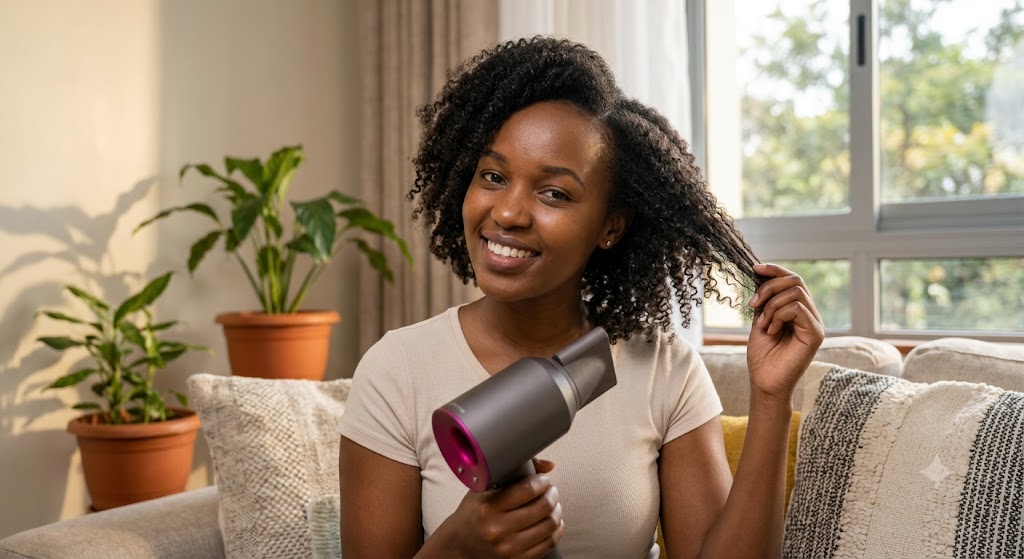
Choosing the right hair care routine in Kenya can feel challenging, given the wide array of shampoos, conditioners, and oils filling beauty shelves. While everyone desires healthy and manageable hair, certain formulations do far more harm than good.
A recent social media observation captured the issue simply, noting that “If your routine is too harsh, the hair gets dry,” underscoring a common struggle for many consumers.
Learning how to recognise when a product is damaging your hair early saves your strands from severe breakage and prevents scalp discomfort.
Signs on your scalp
The most direct indicator of an overly aggressive product is how your scalp reacts after washing. A healthy scalp feels calm, hydrated, and refreshed.
However, if you notice persistent tightness, intense itching, or flaking within hours of washing, your shampoo is likely stripping away essential natural oils. Over time, this extreme dryness forces your scalp to overproduce sebum to compensate, leaving you with greasy roots alongside dry, straw-like ends.
Your hair strands also offer clear warning signs when a formula is too strong. When hair loses its natural elasticity, feels coarse, or tangles repeatedly during routine combing, the product is stripping the outer cuticle layer.
Strands that snap easily while styling indicate that the product has weakened the structural proteins inside the hair shaft.

Common culprits
Unsuitable products often rely on harsh cleansing agents like sodium lauryl sulphate. Although sulphates create a satisfying foam, they wash away necessary moisture, which is particularly harmful to natural and textured hair types.
Similarly, drying alcohols such as isopropyl alcohol cause rapid moisture loss, leaving hair frizzy and lacklustre. Non-water-soluble silicones can also build up on strands over time, creating a seal that blocks real hydration from getting in.
If you observe these symptoms, reset your routine. Switch to sulphate-free cleansers, rich leave-in conditioners, and lightweight natural oils. Testing a new product on a small section of hair before full application helps you avoid widespread damage, keeping your hair healthy and strong.
Paying attention to how your scalp and hair react after every wash is essential. Investing time in reading product labels ensures you select gentle, nourishing items that protect your hair’s long-term health and natural texture.