Advertisement
Why bridges cost more to construct than other road sections, according to KURA
06th July, 2026 03:32 PM
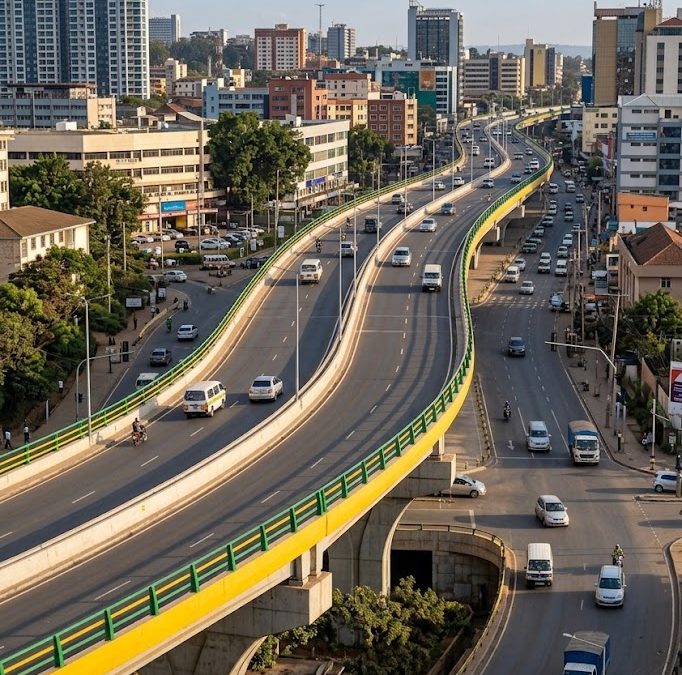
Many people often wonder why building roads and bridges takes up such a massive chunk of the national budget. To clear the air, the Kenya Urban Roads Authority (KURA) has shared a breakdown explaining why these infrastructure projects cost so much.
The roads agency points out that building modern roads is about more than just laying down asphalt and concrete.
According to KURA, “Every shilling invested in quality roads is an investment in safer journeys, efficient transport, thriving businesses and connected communities.”
The high cost comes down to safety, durability and making sure the final structures stand the test of time.
Where the money goes
Building a bridge is a long process that starts way before any construction worker arrives on site. KURA explains that planning, design, detailed surveys and getting approvals take up 10 per cent to 15 per cent of the total budget.
Environmental and social measures, which include compensating and resettling affected communities, consume another 5 per cent to 10 per cent. Supervision and quality control also take 5 per cent to 10 per cent of the funds.

The bulk of the money goes into the actual building work, starting from underground.
Foundations and substructures take the largest share, swallowing between 30 per cent and 40 per cent of the budget. This phase is expensive because workers have to drive deep pillars into the ground or riverbeds, a process that requires heavy machinery and a lot of time.
The superstructure, which consists of the steel, concrete and the bridge deck itself, takes up 25 per cent to 35 per cent. Finally, building approach roads and handling earthworks costs between 10 per cent and 15 per cent.
Why bridges cost more than regular roads
Bridges are far more expensive than standard flat roads because of where they are built and how they are engineered.
Unlike flat tarmac, bridges have to cross complicated areas like flowing rivers, deep valleys, wetlands or busy highways. This makes the construction process much slower and highly complex, requiring specialised equipment and expert engineers.
Materials also drive up the price. KURA uses high grade steel, strong cement and special additives so the structures can handle heavy loads, floods, earthquakes and strong winds.
Ultimately, these structures are built to last for 100 years or more with very little maintenance, ensuring Kenyans get long term value for their money.