Advertisement
Types of roofing designs to consider in your construction project
18th May, 2026 12:29 AM
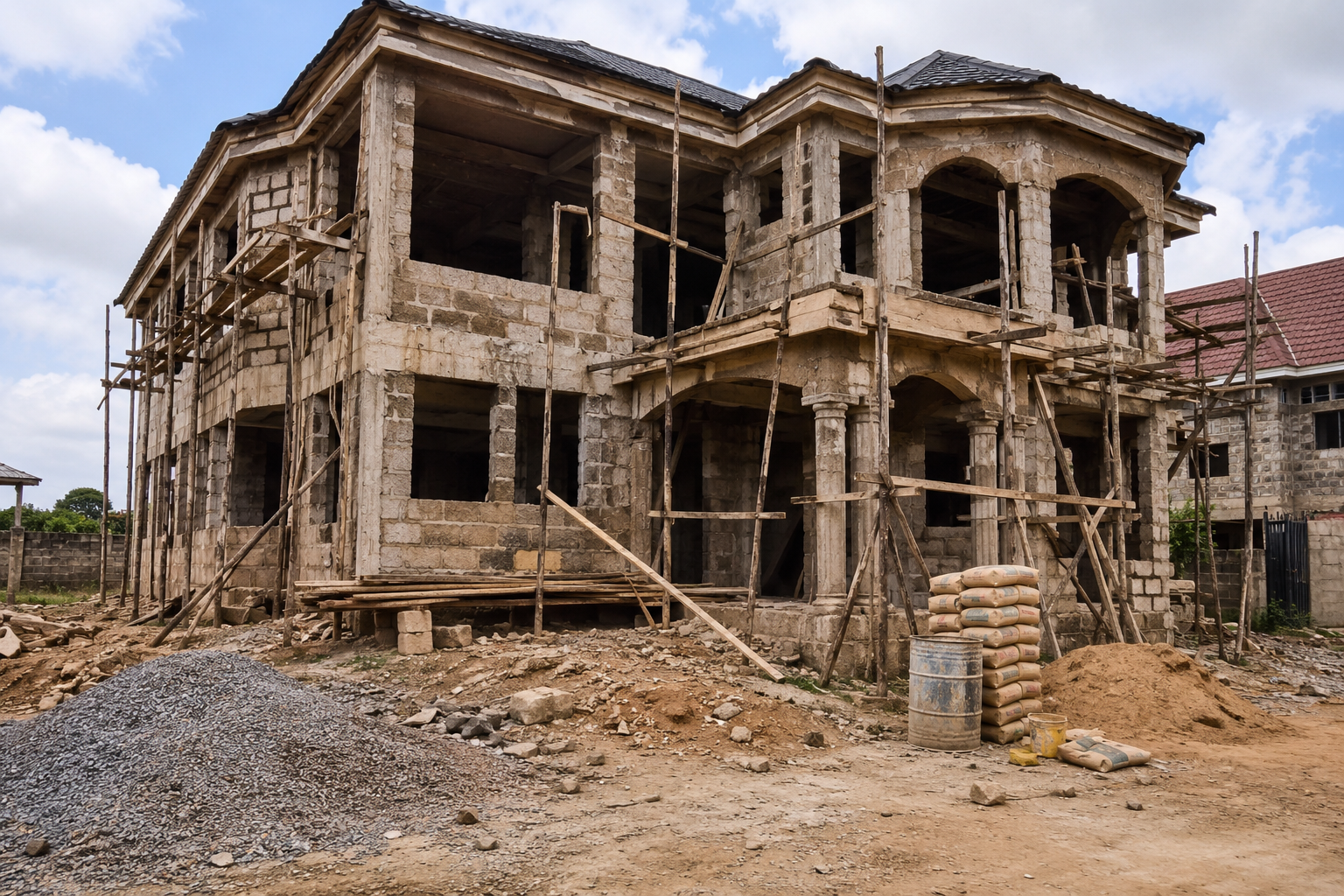
Roofing design plays a central role in any construction project.
It is not only a structural cover but also a key factor that influences durability, energy efficiency, drainage, temperature regulation and the overall architectural appearance of a building.
Choosing the right roofing style depends on climate conditions, construction budget, design preference and long term maintenance requirements.
Below are some of the most common roofing designs used in residential and commercial construction projects today.
Gable roof design for residential houses
A gable roof is one of the most widely used roofing designs in residential construction. It features two sloping sides that meet at a central ridge, forming a triangular shape commonly seen in many homes.
This roofing style is popular because it is simple to construct, cost effective and allows efficient rainwater drainage. The steep slopes also improve ventilation, making it suitable for areas with warm climates or heavy rainfall.
However, in regions prone to strong winds, a gable roof may require additional structural reinforcement to improve stability and reduce the risk of damage.
Hip roof design for stronger wind resistance
A hip roof has slopes on all four sides that meet at the top, creating a more compact and stable structure compared to a gable roof.
This design is widely preferred in areas with high wind exposure because it distributes pressure more evenly across the structure. It also provides excellent rainwater drainage and improved durability over time.
The main limitation of a hip roof is the higher construction cost and increased complexity during installation, which requires skilled labour and more materials.
Flat roof design for modern buildings and urban homes
A flat roof has a nearly level surface with a slight slope to allow water drainage. It is commonly used in modern architecture, commercial buildings and urban residential designs.
Flat roofs are valued for their simplicity, lower construction cost and ability to create usable space on top of the building. This space can be used for solar panels, water tanks or rooftop recreation areas.
The main challenge is waterproofing, as poor drainage or maintenance can lead to water pooling and leaks over time.
Mansard roof design for maximum interior space
A mansard roof is a four sided design where each side has two slopes, with the lower slope being steeper than the upper one. This design is commonly associated with classic European architecture.
It is highly effective for increasing usable interior space, especially for attic rooms or additional floors without expanding the building footprint.
While it offers both aesthetic appeal and functional space, it is more expensive to construct and requires skilled workmanship and regular maintenance.
Gambrel roof design for traditional and barn style structures
A gambrel roof is similar to a mansard roof but has only two sides, each with two slopes. It is commonly seen in barns, farmhouses and some traditional residential homes.
This design provides additional upper floor space while maintaining a relatively simple structure compared to more complex roof types. It also allows efficient water drainage.
However, it may be less stable in areas with strong winds unless properly reinforced during construction.
Butterfly roof design for modern eco friendly architecture
A butterfly roof is a modern roofing design where two roof surfaces slope inward, forming a V shape in the centre.
This design is often used in contemporary and environmentally conscious architecture because it allows efficient rainwater harvesting and maximises natural light.
Despite its aesthetic appeal, it requires a well designed drainage system and can be more expensive to construct due to its structural complexity.
Shed roof design for simple and cost effective construction
A shed roof consists of a single sloping surface and is commonly used for extensions, small houses and minimalist modern designs.
It is one of the simplest and most cost effective roofing options available. It allows efficient water drainage and is easy to construct.
However, it may limit ceiling height and reduce opportunities for attic or upper floor space.
Green roof design for sustainable and energy efficient buildings
A green roof is covered with vegetation planted over a waterproof membrane system. It is increasingly used in modern urban construction focused on sustainability.
Green roofs help reduce heat absorption, improve air quality, manage storm water and enhance energy efficiency within buildings.
However, they require strong structural support, proper waterproofing and regular maintenance to remain effective over time.
Final thoughts on choosing the right roofing design
Selecting the right roofing design depends on multiple factors including climate conditions, budget, architectural style and long term maintenance expectations.
Simple roofing systems such as gable and shed roofs are more affordable and easier to construct, while complex designs such as mansard and butterfly roofs offer additional space and modern architectural appeal.
A well chosen roofing design improves structural durability, enhances comfort and contributes to long term cost savings in both construction and maintenance.