Advertisement
Building construction errors that lead to high fire casualties
28th May, 2026 04:06 PM

Fire emergencies in buildings often turn deadly not only because of the flames but also because of how structures are designed and maintained.
Poor construction practices such as blocked escape routes, overcrowded dormitories, faulty electrical wiring and lack of emergency systems significantly increase the number of casualties during fire outbreaks.
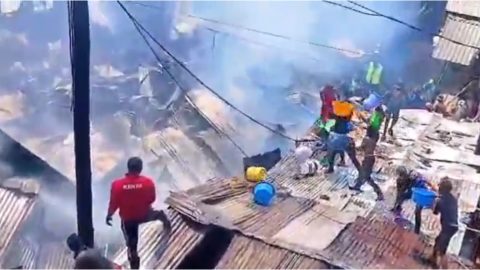
The recent Utumishi Girls High School inferno in Gilgil, Nakuru County, has once again highlighted how quickly fire situations escalate in environments where safety design and emergency readiness are inadequate.
In such tragedies, survival does not end once victims are pulled from danger. The period immediately after rescue is critical.
Medical evidence from emergency response systems and burn care guidelines shows that incorrect handling of fire victims after evacuation can worsen injuries, increase complications and in some cases lead to preventable deaths.
Proper first aid becomes a continuation of the rescue process and a key factor in survival outcomes.
Fire rescue, safety, and immediate response
Once victims have been removed from a burning structure or a smoke-filled environment, the first priority is to confirm that both the rescuer and the casualty are in a safe location.
In many fire incidents, including large school dormitory fires such as the Utumishi Girls tragedy, structural weaknesses and delayed evacuation routes can expose both victims and rescuers to additional danger even after the initial escape.
After safety is confirmed, attention must shift immediately to the victim’s condition.
Breathing must be checked first, followed by consciousness and signs of severe trauma.
Fire victims often suffer a combination of injuries, including burns, smoke inhalation and shock, all of which can become fatal if not addressed quickly.
If breathing has stopped and the responder is trained, cardiopulmonary resuscitation must begin without delay while emergency services are contacted.
Airway protection and smoke inhalation response
Medical research consistently shows that smoke inhalation is one of the leading causes of death in fire incidents, sometimes even more dangerous than external burns.
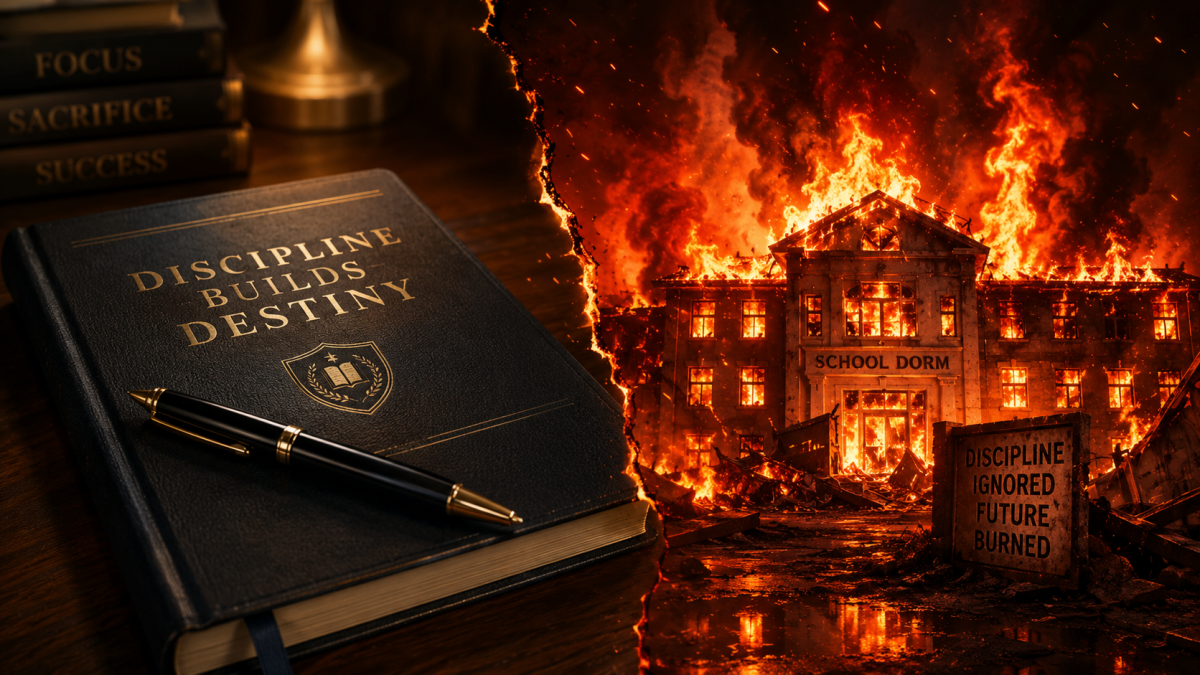
In poorly ventilated or overcrowded buildings, a result of weak construction planning, smoke spreads rapidly and fills enclosed spaces, making evacuation and breathing difficult.
Victims who show signs of breathing difficulty, coughing, soot around the mouth or nose, or hoarseness should be moved immediately to fresh air.
Tight clothing around the chest and neck should be loosened to ease breathing.
It is strongly advised that no food or drink is given to unconscious or drowsy victims, as this increases the risk of choking.
Continuous monitoring is essential, and if breathing becomes weak or stops, emergency resuscitation must begin while waiting for professional medical support.
Proper cooling and burn management
Burn injuries require immediate cooling to prevent further tissue damage.
Emergency medical guidelines recommend using clean, cool water applied gently to burns for a continuous period, ensuring the water is not so cold as to worsen skin damage.
Harmful traditional remedies, such as applying oil, butter, toothpaste, or ice, should be avoided, as they can deepen the injury and increase the risk of infection.
Any jewellery or tight clothing near burned areas should be removed only if it does not stick to the skin, as swelling can occur rapidly.
In situations where clothing is already attached to the skin, it should never be forcibly removed.
After cooling, the affected area should be loosely covered using a clean and non-sticky material to protect it from contamination.
Shock prevention after fire rescue
Shock is a serious and potentially life-threatening condition commonly experienced by fire victims due to trauma, fluid loss and extreme stress.
It often presents with pale or cold skin, confusion, dizziness, a weak pulse, and rapid breathing.
Poorly designed evacuation spaces, such as narrow exits or blocked corridors often seen in unsafe building construction, can worsen panic and physical strain during escape, increasing the risk of shock.
The victim should be laid flat if there are no suspected spinal injuries, with slight leg elevation to support blood circulation.
Keeping the person warm is important, and unnecessary movement should be avoided.
Food and drink should not be given until medical professionals assess the situation. Continuous observation is necessary until help arrives.
Hidden injuries and delayed complications
Fire victims often carry injuries that are not immediately visible. Beyond burns, there may be internal injuries caused by falling debris, collapsing structures or panic-driven escapes through unsafe exits, conditions often linked to poor building design and safety oversight. Head injuries, fractures and internal smoke poisoning may not show immediate symptoms but can become life-threatening if ignored.
Even when external burns appear minor, medical evaluation is essential. Delays in treatment increase the risk of infection, organ damage and long-term complications, particularly in crowded emergency situations like school dormitory fires.
Urgent medical evacuation criteria
Certain conditions require immediate transfer to hospital facilities.
These include burns affecting sensitive areas such as the face, hands or joints, breathing difficulties, extensive body burns, loss of consciousness and cases involving children or elderly individuals.
In large-scale incidents like the Utumishi Girls fire tragedy, rapid escalation to hospital care is critical due to the likelihood of multiple injuries and smoke-related complications.
Medical experts continue to emphasise that survival rates in fire disasters depend not only on the speed of rescue but also on how effectively victims are managed in the critical minutes after evacuation.