Advertisement
Simple ways fruit peels can transform your garden
01st May, 2026 05:23 PM

Most people toss fruit peels into the bin without a second thought. What many do not realise is that those leftovers can quietly do wonders in a garden. From boosting soil health to keeping pests away, fruit peels offer a natural, affordable way to help plants thrive without relying on chemicals.
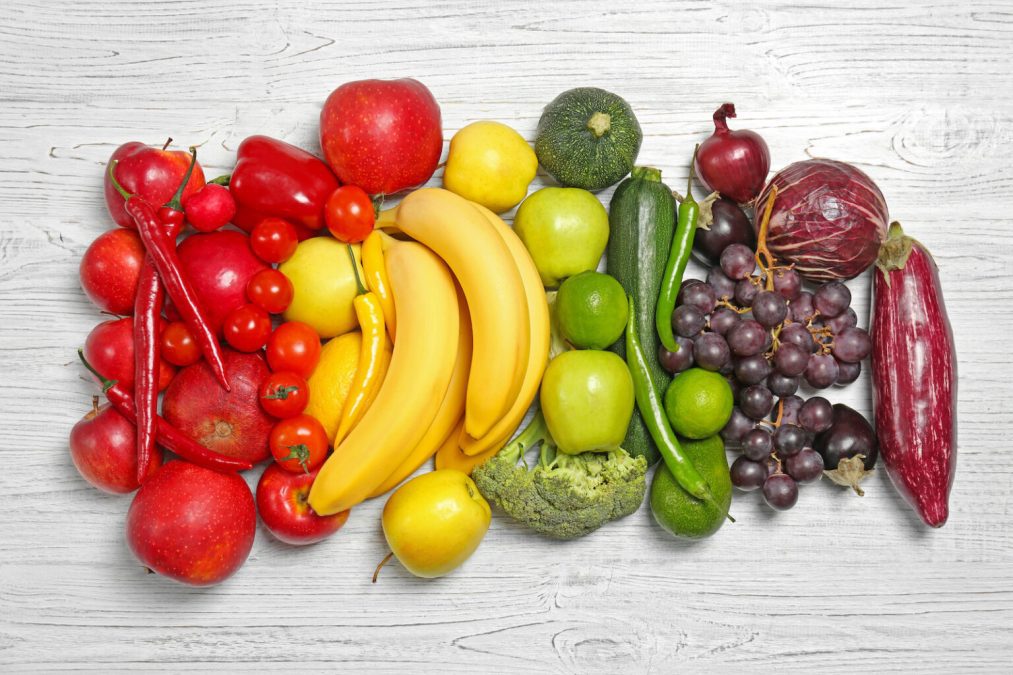
Banana peels, for instance, are more than just slippery waste. They are rich in potassium, a nutrient that supports strong root development and flower growth. Instead of discarding them after eating, you can chop the peels into small pieces and bury them near the base of your plants. As they decompose, they release nutrients slowly into the soil, feeding your plants over time.
Citrus peels, such as those from oranges and lemons, have their own unique benefits. While they should not be overused directly in the soil due to their acidity, they can be dried and crushed to make a natural pest repellent and also a natural air freshener. Sprinkling the crushed peels around plants helps deter ants and other small insects without harming the environment. For those dealing with cats digging into garden beds, citrus scents can also act as a gentle deterrent.
If composting is part of your routine, fruit peels are a valuable addition. Apple, mango, and pineapple peels break down easily and enrich compost with essential nutrients. Over time, this compost turns into dark, fertile soil that improves plant growth. The key is balance; mix fruit peels with dry materials like leaves or paper to avoid excess moisture and odour.
Soaking in water first
Another simple trick involves making a natural liquid fertiliser. Soaking fruit peels in water for a few days creates a nutrient-rich solution that can be poured directly onto plants. This method is especially useful for indoor plants or small kitchen gardens, offering a quick nutrient boost without extra cost.
Gardeners looking to improve soil structure can also benefit from fruit peels. When added regularly, they help increase organic matter in the soil, making it easier for roots to grow and access water. Over time, this leads to healthier plants that are more resilient to dry conditions.
It’s worth noting that moderation matters. Adding too many peels at once can attract pests or slow down decomposition. Cutting them into smaller pieces and mixing them well into the soil helps avoid these issues while speeding up the breakdown process.
In a time when many are seeking sustainable living practices, using fruit peels in the garden is a simple step with noticeable impact. It reduces household waste while giving plants the nutrients they need to grow naturally.
What often ends up in the trash can easily become part of a healthier, more productive garden. With a little creativity and consistency, fruit peels can shift from being waste to becoming one of the most useful tools for any home gardener.