Advertisement
How latest fuel prices could benefit matatu operators
14th June, 2026 01:17 PM

Matatu operators and logistics companies are among the biggest beneficiaries of the latest fuel price review announced by the Energy and Petroleum Regulatory Authority (EPRA), with the reduction in diesel prices expected to lower operating costs and improve business efficiency.
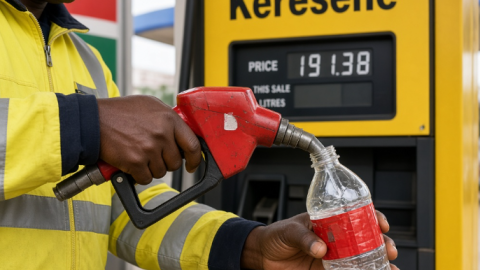
In its monthly review released on June 14, 2026, EPRA reduced the price of diesel by Ksh10 per litre to Ksh222.86 in Nairobi. The price of Super Petrol also dropped slightly by Ksh0.22 per litre to Ksh214.03, while kerosene remained unchanged at Ksh191.38 per litre.
Since diesel is the primary fuel used by most public service vehicles and commercial transport fleets, the latest adjustment is expected to bring relief to operators who have been grappling with high fuel costs over recent months.
Reduced fuel bills could improve profit
Fuel is one of the largest expenses for matatu owners and logistics firms. A significant portion of daily revenue often goes towards refuelling vehicles, making fuel prices a critical factor in determining profitability.
With diesel prices falling by Ksh10 per litre, transport operators could see a noticeable reduction in their daily fuel expenses. For vehicles covering long distances or making multiple trips each day, the savings may accumulate over time.
Fuel accounts for a substantial share of transport operating costs. Any reduction in diesel prices can help improve efficiency and ease pressure on transport businesses. For matatu operators, lower fuel expenses may help cushion the sector against rising maintenance, insurance, and spare-parts costs that continue to affect profitability.

Potential stability in passenger fares and delivery charges
Although a fuel price reduction does not automatically translate into lower fares or transport charges, it can help operators avoid increasing prices.
In the public transport sector, fuel costs often influence fare adjustments, particularly during periods of high fuel prices. The latest diesel reduction could help matatu operators maintain current fares, especially on routes where fuel expenses make up a significant share of operating costs.
For logistics firms and goods transport companies, lower diesel prices may help contain delivery expenses and improve competitiveness. Businesses that transport agricultural produce, manufactured goods, and retail products may also benefit indirectly through reduced distribution costs. Transport costs play a key role in determining the final price of goods and services in the market.
Relief comes amid ongoing cost pressures
Despite the reduction, diesel prices remain relatively high compared to previous years, meaning operators are unlikely to experience a dramatic shift in operating costs overnight.
The transport sector continues to face challenges, including vehicle financing costs, road maintenance expenses, insurance premiums, and fluctuating spare-parts prices.

However, industry players are likely to view the latest fuel review as a positive development that offers some breathing space after months of elevated operating expenses.
For matatu owners, drivers and logistics operators, the diesel price cut may not solve every challenge facing the sector, but it provides an opportunity to reduce fuel expenditure and improve operational planning in the weeks ahead.