Advertisement
Why fuel prices in Kenya differ from county to county
15th May, 2026 11:53 AM
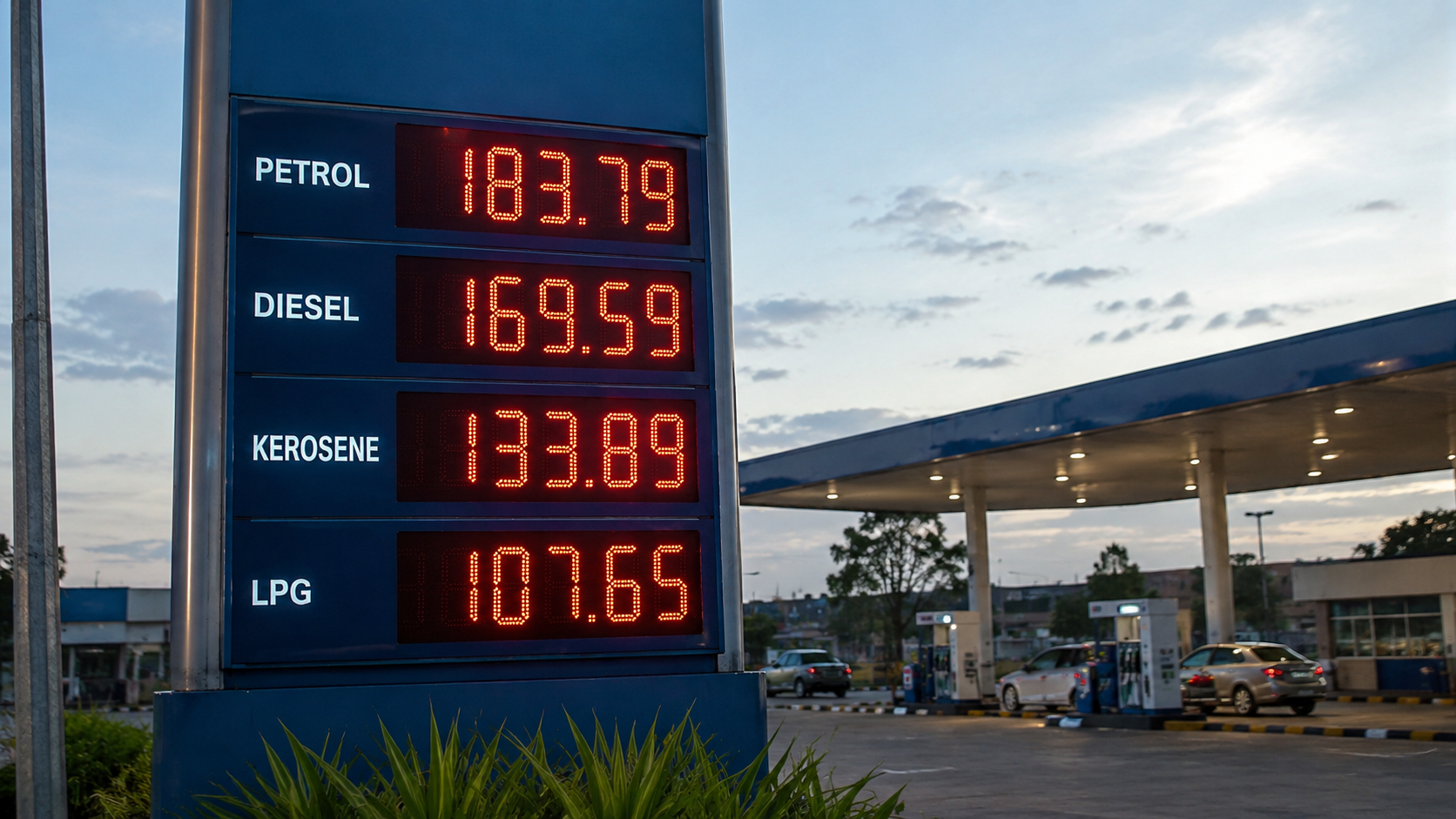
Many Kenyans notice something interesting every time the Energy and Petroleum Regulatory Authority, commonly known as EPRA, announces new fuel prices.
A litre of petrol in Mombasa is usually cheaper than in Nairobi. Nairobi may then be cheaper than Eldoret, Kisumu, Turkana, or some northern counties.
This often leaves motorists asking one major question: if fuel enters Kenya through one country, why do prices differ from county to county?
The answer lies in transportation, taxes, storage, pipelines, and the long journey fuel makes before finally reaching petrol stations across Kenya.
Fuel begins its journey from Mombasa
Most fuel used in Kenya enters the country through the Port of Mombasa.
After arriving, the petroleum products are stored, processed, and later transported through pipelines, trucks, and depots toward different parts of the country.
Because Mombasa sits closest to the import point, fuel there naturally costs less compared to towns located hundreds of kilometres away.
According to EPRA’s fuel pricing formula, transportation and distribution costs form part of the final pump price.
This means counties located farther from Mombasa usually experience higher fuel prices because more money is spent moving fuel there.
That is why fuel in Nairobi may cost several shillings more than in Mombasa, while towns in western Kenya or northern Kenya may pay even more.
Pipelines, trucks, and distance affect pump prices
Kenya relies heavily on the Kenya Pipeline system to transport fuel inland.
However, pipelines do not eliminate all costs.
Fuel still requires storage, handling, secondary transportation, and delivery using fuel tankers before reaching petrol stations.
EPRA has previously explained that pipeline charges and transportation costs vary depending on distance.
For example:
- Fuel transported to Kisumu or Eldoret travels a longer distance than fuel consumed in Mombasa.
- Remote regions may require additional trucking costs because of terrain, road conditions, or limited infrastructure.
- Some counties experience higher logistical risks and delivery expenses.
All these costs are eventually reflected in the final pump price.
This explains why counties near the coast generally enjoy slightly lower prices compared to distant inland regions.
Taxes and levies also shape the final price
Many Kenyans assume fuel prices are only determined by global oil prices.
But in reality, taxes and government levies make up a very large portion of what motorists pay.
According to EPRA pricing explanations, taxes, levies, VAT, road maintenance charges, petroleum development levies, and excise duties contribute significantly to the final price per litre.
Reports show taxes can account for between 36% and 46% of pump prices in Kenya.
These charges remain largely similar nationwide, but transportation and distribution differences create the regional variation.
Global oil prices also affect every county differently
International crude oil prices and exchange rates also influence fuel costs.
Kenya imports most of its petroleum products using US dollars. When global oil prices rise or the Kenyan shilling weakens, fuel becomes more expensive nationally.
However, counties located farther from supply centres still feel the additional burden of transportation costs on top of the global increases.
That is why sharp international fuel price increases often hit remote regions harder.
Why equal fuel prices across all counties remain difficult
Over the years, some Kenyans have questioned why the government cannot simply standardize fuel prices nationally.
However, officials have repeatedly explained that the pricing model must reflect actual logistical costs.
Delivering fuel to a petrol station in Mombasa is much cheaper than transporting the same fuel to Lodwar, Mandera, or parts of western Kenya.
If prices were made completely equal nationwide, the government would likely need massive subsidies to cover transportation differences.
Why fuel prices matter beyond motorists
Fuel prices affect almost every sector of the Kenyan economy.
Transport fares, food distribution, farming, manufacturing, and electricity costs are all influenced by petroleum prices.
Even people without cars feel the impact whenever fuel prices rise because businesses often transfer increased transport costs to consumers.
That is why every monthly EPRA announcement attracts national attention.
Behind every litre of petrol or diesel is a long chain involving ships, pipelines, storage depots, taxes, tankers, roads, and distribution networks stretching across the country.