Advertisement
What new fuel prices mean for small business owners
14th June, 2026 12:52 PM

The latest fuel price review by the Energy and Petroleum Regulatory Authority (EPRA) has brought some relief to small business owners across Kenya after diesel prices were reduced by Ksh10 per litre while petrol prices dropped by just Ksh0.22 per litre.
While many private motorists tend to focus on petrol prices, economists and market analysts often pay closer attention to diesel because of its direct link to the cost of transporting goods and running businesses.
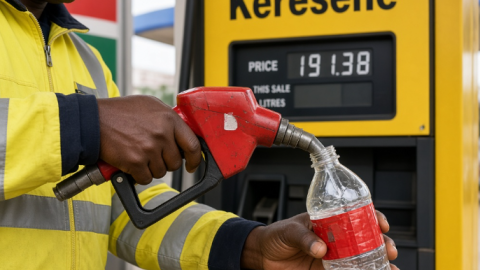
According to EPRA’s latest review, released on June 14, 2026, diesel will now retail at Ksh222.86 per litre in Nairobi, down from the previous month’s price. Super Petrol will retail at Ksh214.03 per litre, while kerosene remains unchanged at Ksh191.38 per litre.
Lower transport costs could improve daily operations
For many small businesses, the transport sector is among the biggest consumers of diesel in Kenya. Public service vehicles, long-distance buses, and freight companies depend heavily on fuel to move people and goods across the country.
Fuel is a major expense. From shop owners transporting stock to market traders travelling to wholesalers and delivery services moving goods to customers, the prices directly affect day-to-day operations.
The reduction in diesel prices is particularly significant because diesel powers most commercial vehicles used for transporting goods. A drop of Ksh10 per litre could help businesses save money on deliveries and distribution, especially those that rely on frequent transportation.
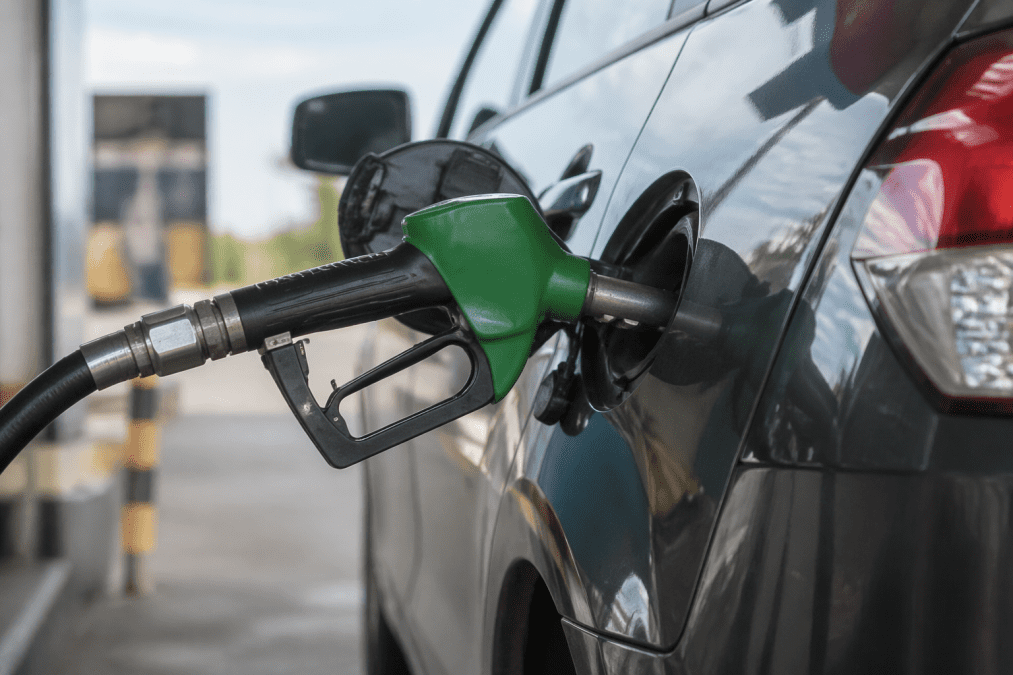
Any reduction in fuel costs is welcome because transport affects almost every part of a business. Lower fuel expenses can create room to manage other costs.
From food on supermarket shelves to the cost of public transport and delivery services, diesel remains one of the most important fuels in the economy. The latest reduction may not immediately transform household budgets, but it offers some relief to businesses and consumers alike.
Potential relief for prices of goods and services
Fuel costs often influence the prices consumers pay for goods and services. When transport expenses rise, businesses typically pass some of those costs to customers. Conversely, lower fuel prices can help stabilise prices.
Businesses dealing in fresh produce, retail products, construction materials and courier services may benefit from reduced transport expenses. While consumers may not see immediate price reductions, the easing fuel costs could help slow future increases.
Economic analysts have previously noted that fuel is one of the most important drivers of inflation in Kenya because it affects supply chains across multiple sectors. The impact may be more noticeable for enterprises operating fleets of vehicles or businesses located far from major supply centres.
Savings may be modest but still meaningful
Despite the reduction, fuel prices remain historically high compared to previous years, meaning businesses will still need to manage costs carefully.
Many entrepreneurs are likely to view the latest review as a positive step rather than a complete solution to the challenges posed by rising operational expenses. Other costs such as electricity, rent, wages and loan repayments continue to affect profitability.

For small business owners, the biggest benefit may come from the diesel price reduction, which has the potential to lower transportation expenses over time. Whether the savings translate into lower consumer prices will depend on market conditions and how businesses choose to manage their operating costs.
As Kenya’s economy continues to adjust to changing global energy markets, many entrepreneurs will be watching future EPRA reviews closely, hoping for further reductions that could ease pressure on both businesses and households.