Advertisement
Mistakes to avoid when shaving beards
21st April, 2026 11:24 PM
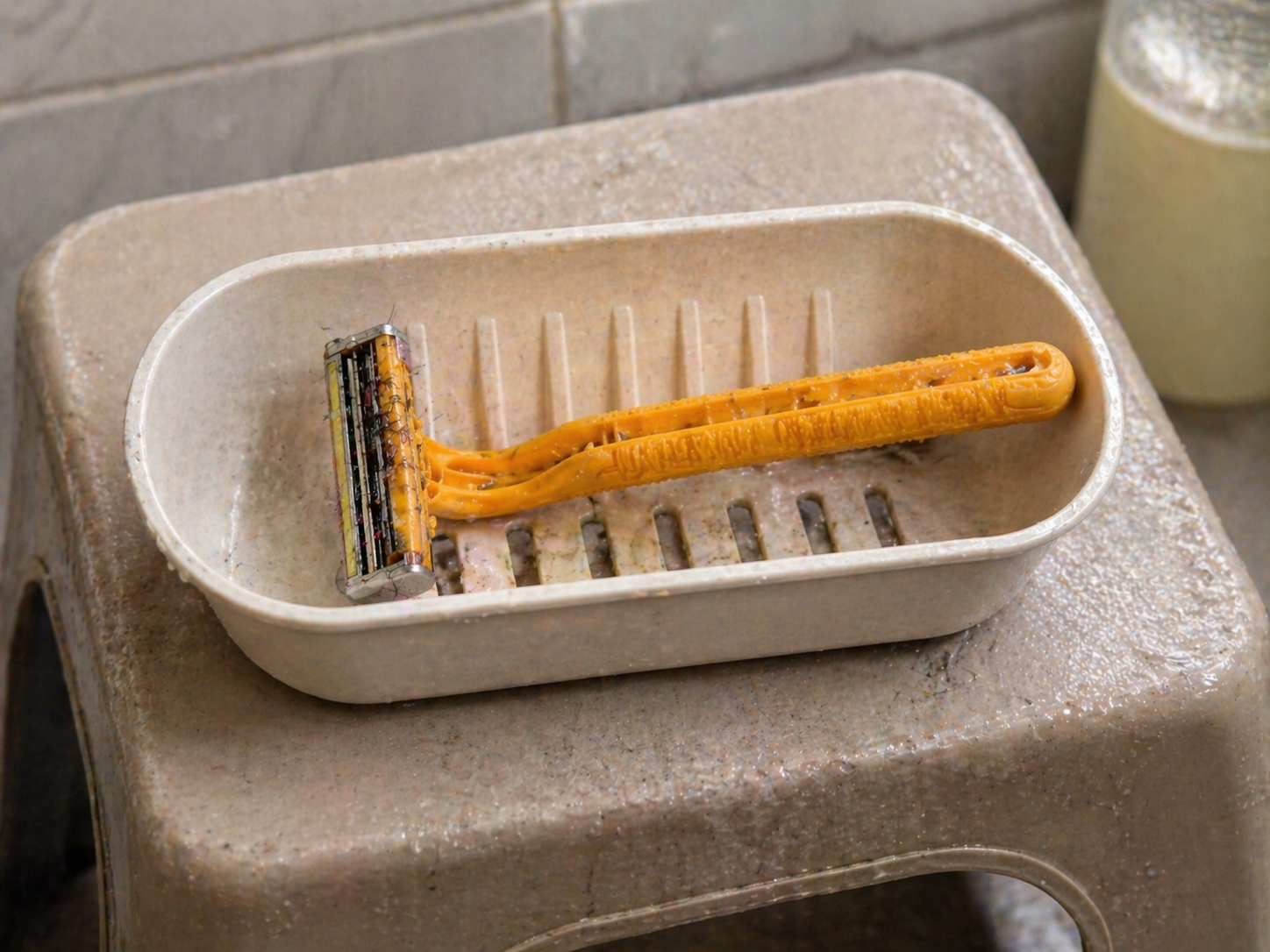
Beard grooming has become a big deal for many men. A clean beard line, a full beard or a neat trim can completely change how a person looks.
For some people, a well-kept beard is part of confidence, style and first impressions.
But a good beard does not come from luck. It comes from how you shave, trim and care for it.
Many men struggle not because their beard is bad, but because of simple mistakes made during grooming.
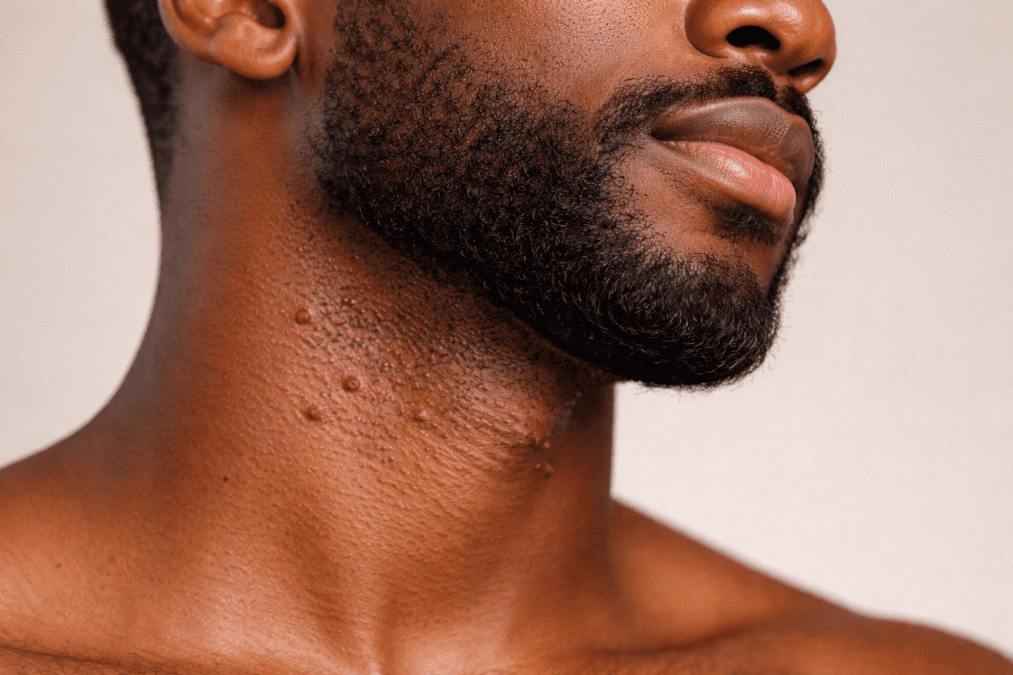
Some of those mistakes lead to bumps, irritation, uneven lines, patchy growth or a beard that never looks as good as it should.
Shaving on dry skin
This is one of the most common mistakes. When facial hair is dry, it is tougher and harder to cut.
The razor has to work more, which increases pulling, irritation and razor burn. Warm water helps soften the hair before shaving.
Washing your face, taking a shower or placing a warm towel on the beard area for a few minutes can make shaving much smoother.
Good shaving often starts before the blade even touches your face.
Using an old blade
Many people keep using a blade long after it should have been replaced.
A blunt blade does not cut cleanly. It drags across the skin, causes discomfort and can leave small cuts or uneven patches.
If shaving feels rough, painful or forces you to pass over the same area again and again, the blade may be the problem.
A fresh blade usually gives a cleaner and safer shave.
Shaving against hair growth carelessly
Beard hair does not grow in one direction everywhere.
Some parts grow down, others sideways, and some in awkward angles. Shaving blindly in random directions can cause bumps, irritation and ingrown hairs.
It helps to first understand how your beard grows. Shaving in the same direction as the hair growth is usually gentler, especially for sensitive skin.
Cutting the beard line too high
Many men ruin a good beard by chasing overly sharp lines.
Trimming too much from the cheeks or pushing the neckline too high can make the beard look unnatural or too small for the face.
Clean lines matter, but balance matters more. The best beard shape usually works with your natural growth, not against it.
Skipping shaving cream or gel
A razor should move smoothly across the skin.
Without shaving cream, gel or some form of lubrication, the blade creates more friction. That can lead to redness, burning and discomfort.

Even a simple product can make a noticeable difference in comfort and finish.
Trimming too much in one sitting
This happens often.
Someone starts with a small adjustment, then keeps trimming until the beard is much shorter than planned.
Poor lighting and low clipper guards make it worse.
It is always safer to trim little by little. You can remove more, but you cannot restore what was cut immediately.
Ignoring aftercare
Many people finish shaving and walk away. But the skin often needs care afterwards.
Rinsing the face, drying gently and using moisturiser, beard oil, or balm can help calm the skin and keep the beard softer.
Without aftercare, dryness, itching and irritation become more likely.
Using dirty tools
Razors, trimmers and clippers collect hair, oil and skin residue over time.
If they are not cleaned, they may perform poorly and can irritate the skin. Dirty tools also wear out faster.
A few minutes of cleaning after use can improve the next shave.
Takehome
A beard can improve your look, but only when it is well-maintained.
Many grooming problems come from habits that are easy to fix: shaving dry skin, using old blades, rushing the trim or ignoring aftercare.
In many cases, the difference between a rough beard and a sharp one is not genetics. It is how you groom it.