The mental toll of owning a car in Nairobi
By Dan Kauna, June 4, 2026Buying a car in Nairobi feels like the ultimate freedom. It means saying goodbye to the daily hustle of scrambling for matatus or walking in the rain.
However, many car owners quickly realise that sitting behind the wheel comes with an unexpected mental burden. Driving through the city daily is exhausting, and it affects mental wellness more than most motorists care to admit.
What makes Nairobi roads so stressful?
The main culprit is the unpredictable traffic.
Whether stuck on Mombasa Road or navigating overlapping vehicles on Ngong Road, the constant delays wear drivers down. Research shows that traffic congestion reduces vehicle speeds to an average of 8.3 km/hr during peak hours in Nairobi.
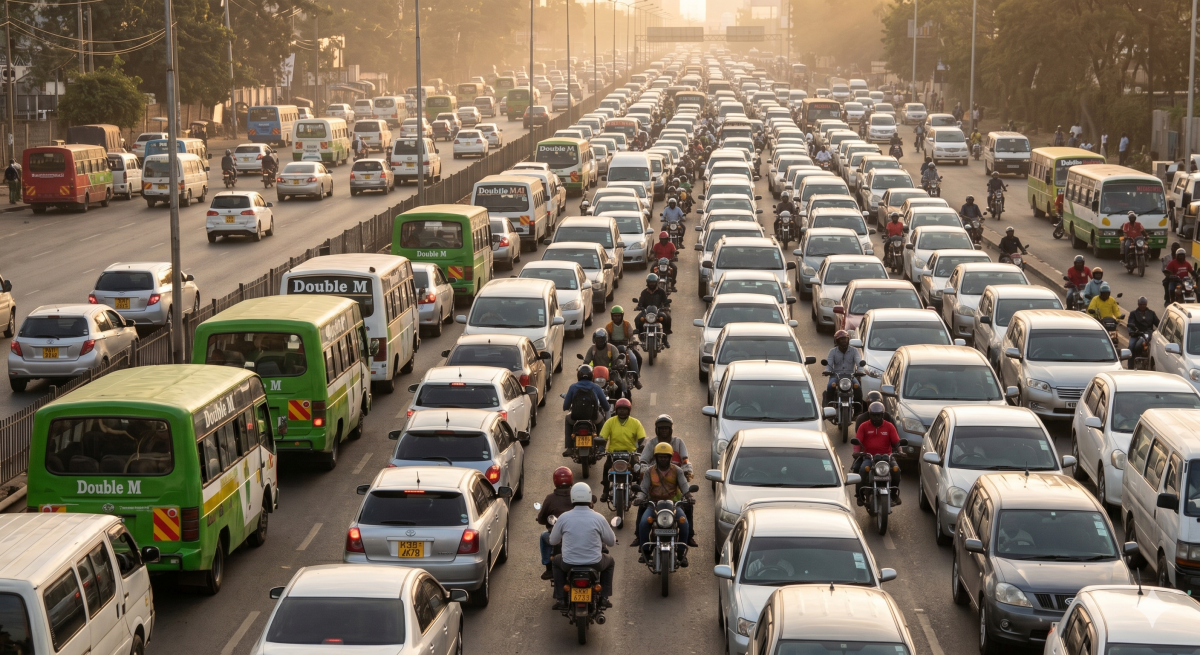
This slow crawl does more than waste time, it actively triggers a physical stress reaction. A global study on the toll of commuting notes that “the act of driving may evoke an acute stress response similar to that seen in psychological stress responses.”
This response floods the body with cortisol, leaving drivers completely drained before their workday even begins.
There is also the daily drama of aggressive behaviour from public transport, erratic boda bodas, and the nightmare of finding parking in the CBD. Financial pressure adds to this anxiety.
With maintenance costs remaining unpredictable, a sudden trip to the mechanic can easily cost upwards of Sh20,000. These constant expenses create a continuous layer of worry.
Easy ways to protect your peace
Since leaving the car at home is not always practical due to unreliable transport alternatives, drivers must find ways to manage the daily pressure. Small changes to your morning and evening routine can make a massive difference in lowering anxiety levels.
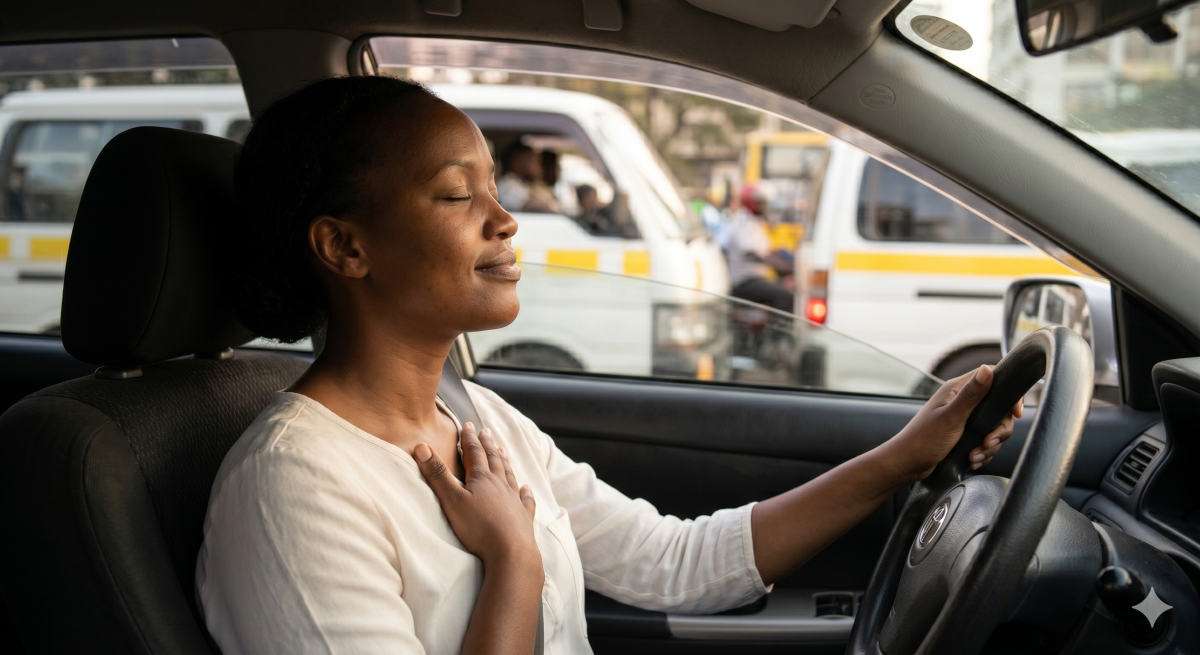
First, control what happens inside the car cabin. Turning off noisy morning political talk shows and switching to calm music or an interesting podcast helps lower the heart rate.
When traffic stops completely at major junctions, taking deep, slow breaths helps steady the nervous system.
Finally, changing how one views the commute helps. Instead of viewing traffic as completely lost time, treating it as a quiet space to unwind before getting home protects mental health.