Advertisement
Easy breathing exercises for better sleep at night
09th June, 2026 02:09 PM
Getting a good night’s sleep can sometimes feel difficult, especially after a long and demanding day. Stress, anxiety, screen time, and busy schedules often leave the mind racing long after the lights are switched off.
While many people focus on changing their mattresses or bedtime routines, one simple habit is often overlooked: breathing. Controlled breathing exercises can help slow the heart rate, calm the nervous system, and prepare the body for restful sleep.
Breathing techniques work by encouraging relaxation and reducing tension, making it easier to fall asleep naturally.
Why breathing matters before sleep
When a person feels stressed or anxious, breathing often becomes shallow and rapid. This signals the body to remain alert rather than relax.
Deep and controlled breathing activates the body’s relaxation response, helping to lower stress levels and create a sense of calm before bedtime. Slow and intentional breathing can help reduce stress responses in the body and support better relaxation, which may improve sleep quality over time.
The 4-7-8 breathing technique
One of the most popular methods for relaxation is the 4-7-8 breathing exercise. It involves breathing in through the nose for four seconds, holding the breath for seven seconds, and then slowly exhaling through the mouth for eight seconds before repeating the cycle about four times.
This technique encourages slower breathing and may help quieten racing thoughts before sleep. Structured breathing patterns like this can help the body shift into a more relaxed state.
Diaphragmatic breathing
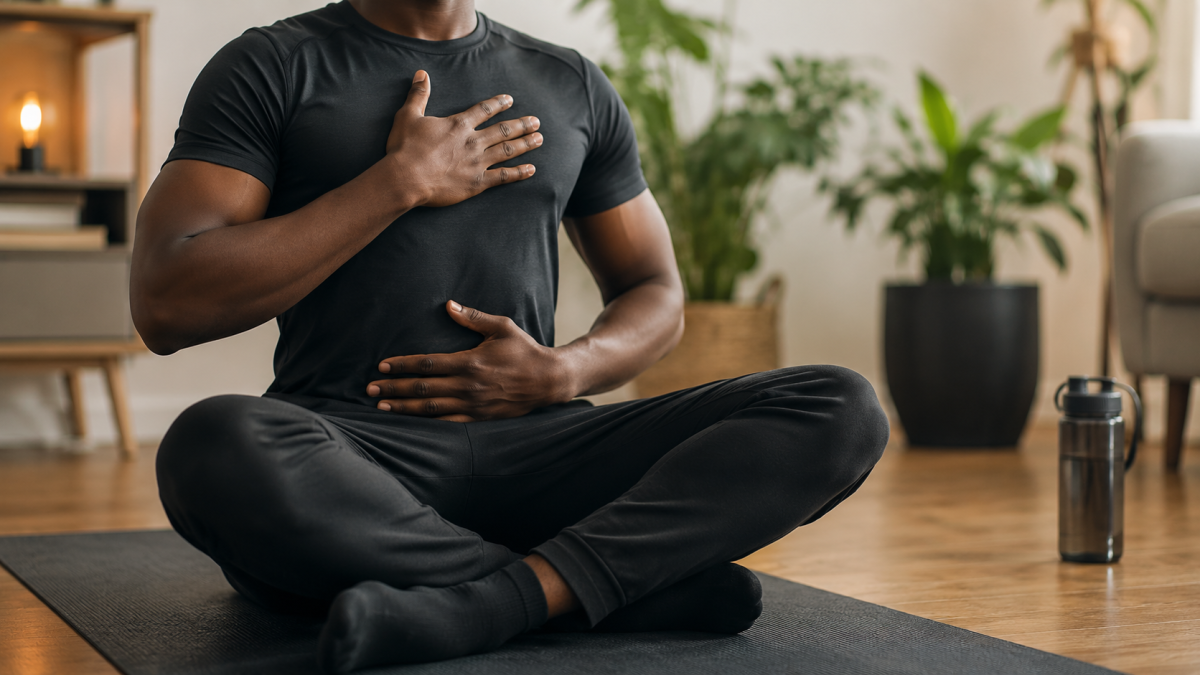
Also known as belly breathing, this exercise focuses on using the diaphragm rather than the chest. It involves lying comfortably on your back, placing one hand on your chest and the other on your stomach, then breathing in slowly through the nose and allowing the stomach to rise before gently exhaling through the mouth.
This can be continued for five to ten minutes. The Cleveland Clinic notes that diaphragmatic breathing helps improve oxygen flow and supports relaxation by engaging the body’s natural calming mechanisms.
Box breathing
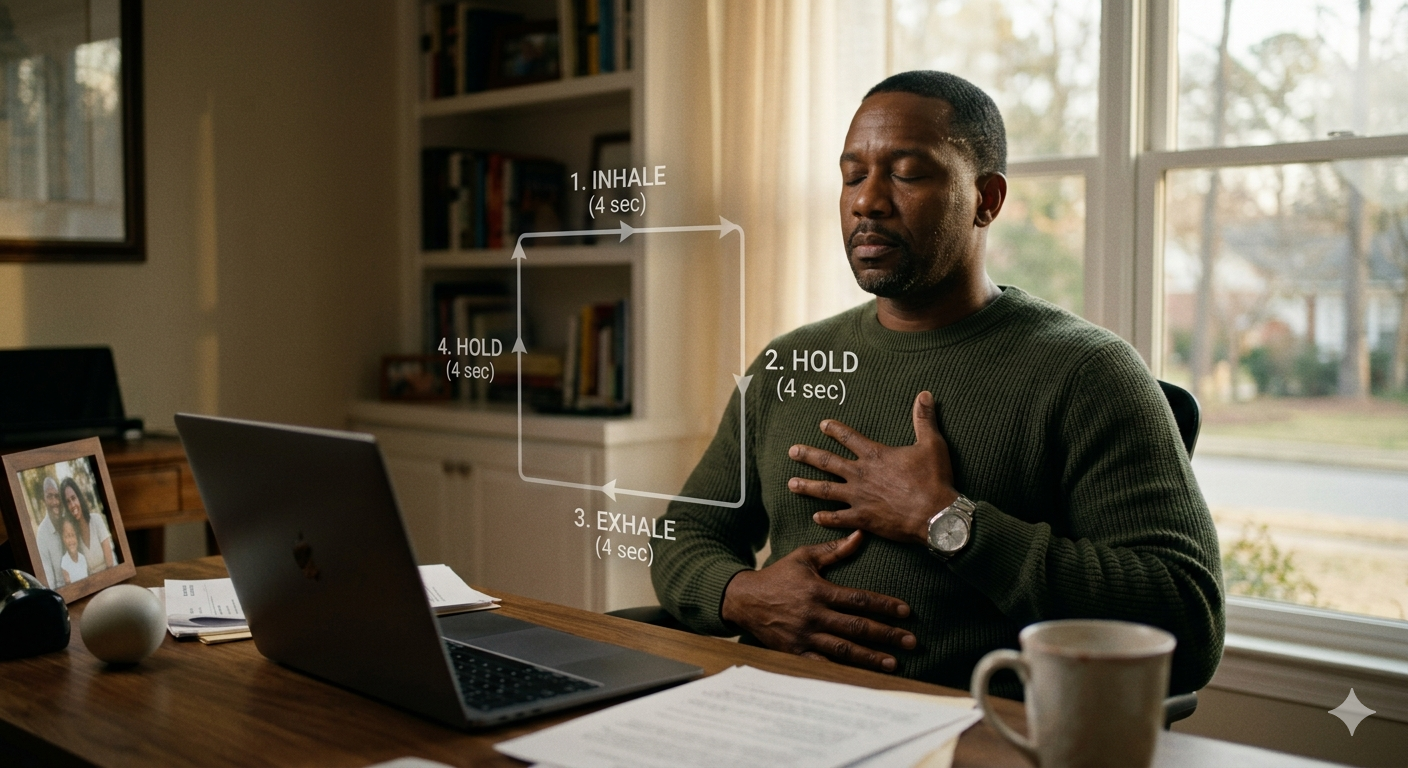
Often used for stress management, box breathing follows a simple rhythm where you inhale for four seconds, hold for four seconds, exhale for four seconds, and hold again for four seconds. Repeating this cycle several times can help slow the body’s stress response and encourage a calmer state of mind before bed.
This type of controlled breathing can help reduce anxiety and improve sleep readiness.

Alternate nostril breathing
This breathing practice is commonly linked with mindfulness and relaxation. It involves closing the right nostril and inhaling through the left, then closing the left nostril and exhaling through the right, before switching sides and continuing the pattern.
The National Center for Complementary and Integrative Health (NCCIH) notes that such breathing techniques are often used to promote relaxation and mental balance.
Creating a bedtime breathing routine
Consistency is important when using breathing exercises for sleep. Practising the same techniques each night helps the body associate them with rest, making relaxation easier over time.
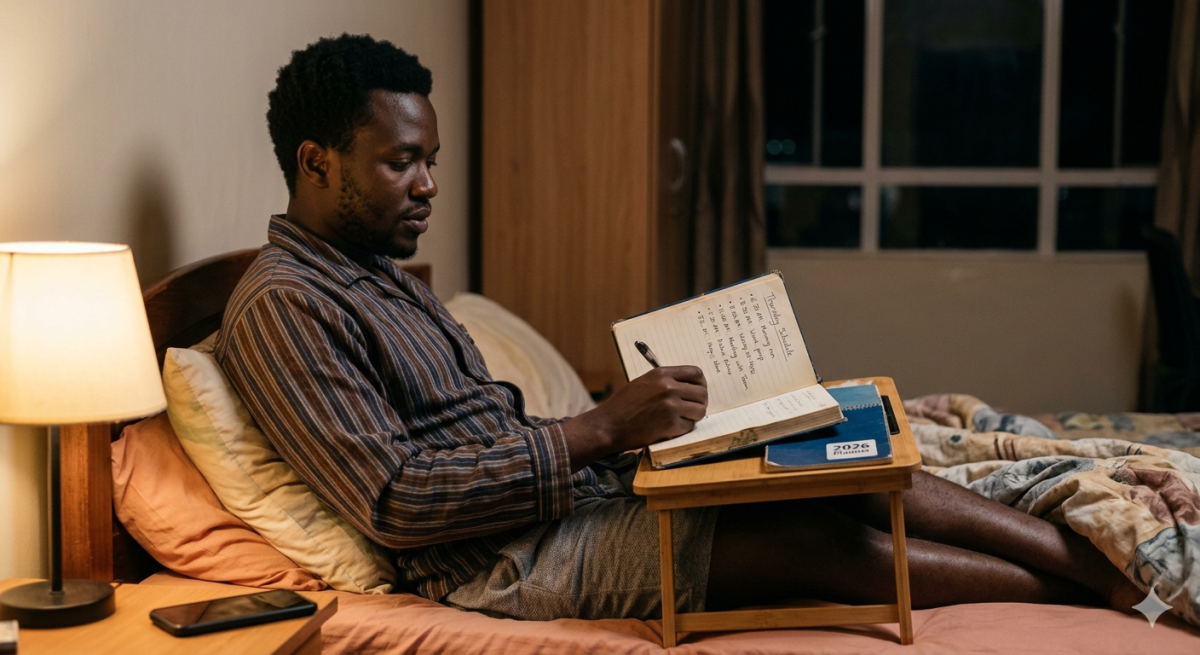
Experts also suggest combining breathing exercises with habits such as reducing screen time before bed, avoiding caffeine in the evening and maintaining a regular sleep schedule to improve sleep quality.