Advertisement
Breathing techniques to help you calm down when angry
02nd June, 2026 01:54 PM
Sudden anger often feels like it takes over the body before the mind can catch up. Heart rate increases, breathing becomes shallow, and muscles tighten.
According to the World Health Organization, stress responses like these are natural, but if not managed, they can affect both emotional well-being and physical health over time.
One of the quickest ways to interrupt this cycle is through controlled breathing. Slow, steady breathing can help activate the body’s relaxation response, bringing down tension and allowing clearer thinking.

Box breathing: creating structure in the moment
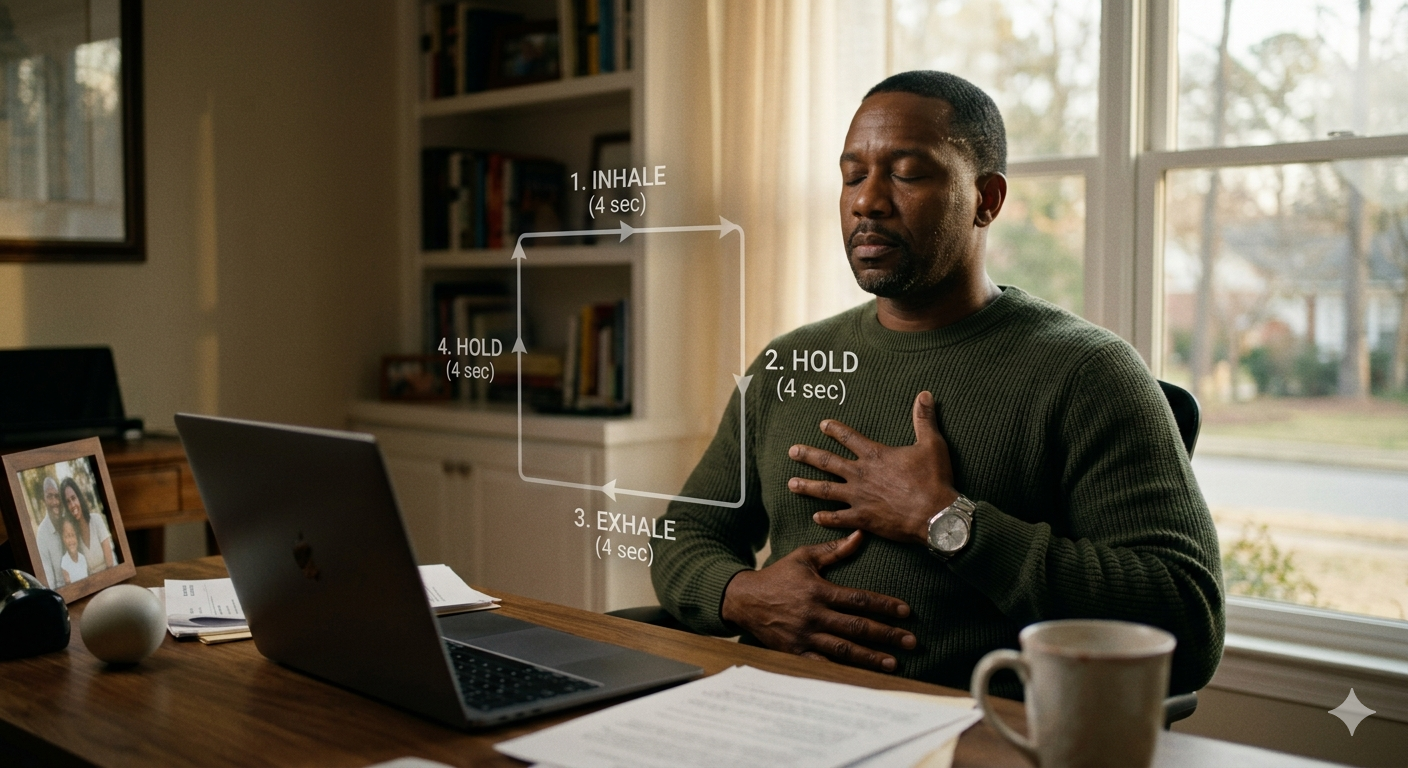
One technique often recommended is box breathing. It involves inhaling for four seconds, holding for four, exhaling for four, and pausing again for four. This pattern helps regulate breathing that may have become irregular during anger.
Psychological guidance from the National Health Service suggested that structured breathing patterns can help interrupt intense emotional reactions by giving the brain something predictable to focus on.
In practice, box breathing can be done anywhere,at work, in a conversation, or even while walking away from a tense situation. The key is consistency in the rhythm rather than forceful, deep breaths.
4-7-8 and diaphragmatic breathing for deeper calm
Another widely used method is the 4-7-8 technique: inhaling for four seconds, holding for seven, and exhaling slowly for eight. This extended exhale encourages the body to slow down its stress response and can be especially useful when anger feels overwhelming.
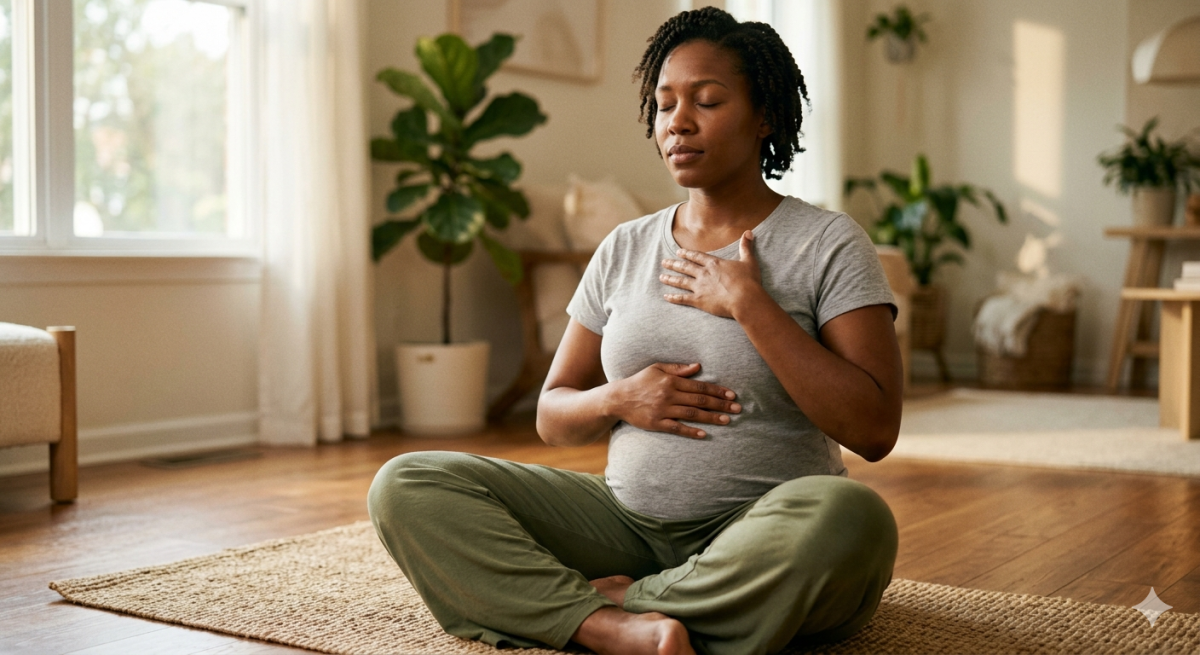
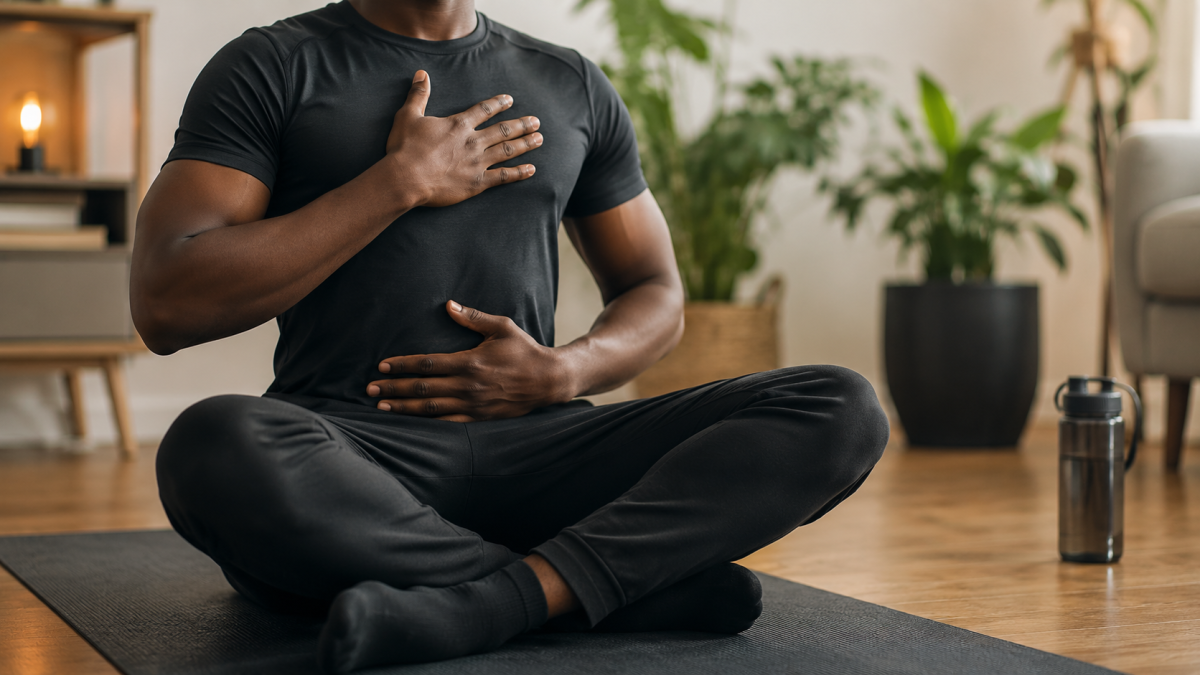
Diaphragmatic breathing, sometimes called belly breathing, is another approach. It involves breathing deeply into the abdomen rather than the chest. This helps reduce shallow breathing patterns that often come with frustration or panic.
The World Health Organization highlighted in its mental health guidance that simple relaxation techniques, including controlled breathing, can support emotional regulation when practised regularly.
Building calm
Breathing techniques are not only for moments of anger but can also be part of daily routines. Practising them when calm makes it easier to use them when emotions rise unexpectedly. The National Health Service encourages short daily breathing exercises as a preventive tool for stress management.
While no method removes anger completely, these techniques can help create space between feeling and reaction. That small pause often makes a difference in how a situation unfolds.
You cannot always control what you feel, but you can influence how your body responds.