Advertisement
5 things to pack when accompanying a loved one to hospital in Kenya
07th August, 2026 02:36 PM
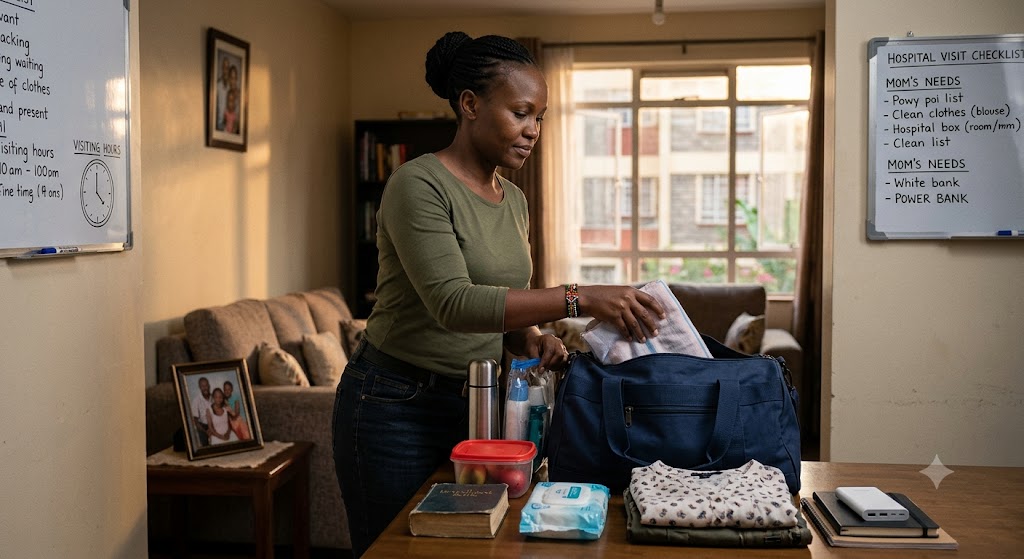
When a loved one is admitted to hospital, many family members leave home in a hurry and focus only on the patient’s immediate needs.
Hours can quickly turn into an overnight stay, especially in busy public hospitals where relatives often help with basic support such as buying medication, handling paperwork, or staying nearby for updates from medical staff.
Packing a small hospital support bag can reduce stress and help you remain calm and useful during an emotionally difficult time.
Here are five important things to carry when accompanying a loved one to hospital in Kenya.
Important documents and money
This should be the first priority before leaving home.
Always carry the patient’s national ID or birth certificate if available.
SHA or insurance documents and membership numbers.
In the case of a referral from one hospital to another, always carry referral letters, clinic cards, or previous medical records.
Some cash or a mobile money option for pharmacy purchases, food, transport, or emergency payments.
Many Kenyan hospitals require documents at registration, during admission, or when collecting medication, and having them ready can save valuable time.
A Phone Charger and Power Bank
Hospital visits often involve long waiting periods. Your phone becomes essential for:
- contacting relatives,
- receiving updates,
- paying through M-Pesa,
- checking insurance information,
- arranging transport,
- or communicating with employers and schools.
Power sockets may not always be available or conveniently located, so a fully charged power bank can be extremely helpful, especially during overnight stays.
Warm clothing and a light blanket or shawl
Hospital wards, waiting areas, and corridors can become surprisingly cold, particularly at night or during Kenya’s colder months.
Pack a sweater or hoodie, a shawl, a leso, or a light blanket, and comfortable socks if you expect to stay for many hours.
Staying warm helps prevent discomfort and fatigue, allowing you to focus on supporting your loved one rather than struggling with the cold.
Water and easy-to-carry snacks
Caregivers frequently forget to eat or drink while attending to a patient. Dehydration and hunger can lead to headaches, dizziness, irritability, and poor decision-making.
Practical options include a refillable water bottle, groundnuts, Biscuits,Energy bars if available
Choose snacks that do not spoil quickly and can be eaten quietly in designated areas without disturbing patients.
Basic Personal Care Items
Even a short hospital visit can become unexpectedly long. A few small hygiene items can make a big difference to your comfort and well-being.
Include:
- Toothbrush and toothpaste
- Small soap or hand sanitiser
- Wet wipes or tissue paper
- Face towel
- Any personal medication you may need, such as asthma inhalers, blood pressure medicine, or pain relief prescribed for you
Taking care of your own hygiene and health is not selfish; it helps you remain physically able to support the patient.