Advertisement
Katiba @16: 7 constitutional rights every Gen Z should know
27th August, 2026 10:03 AM

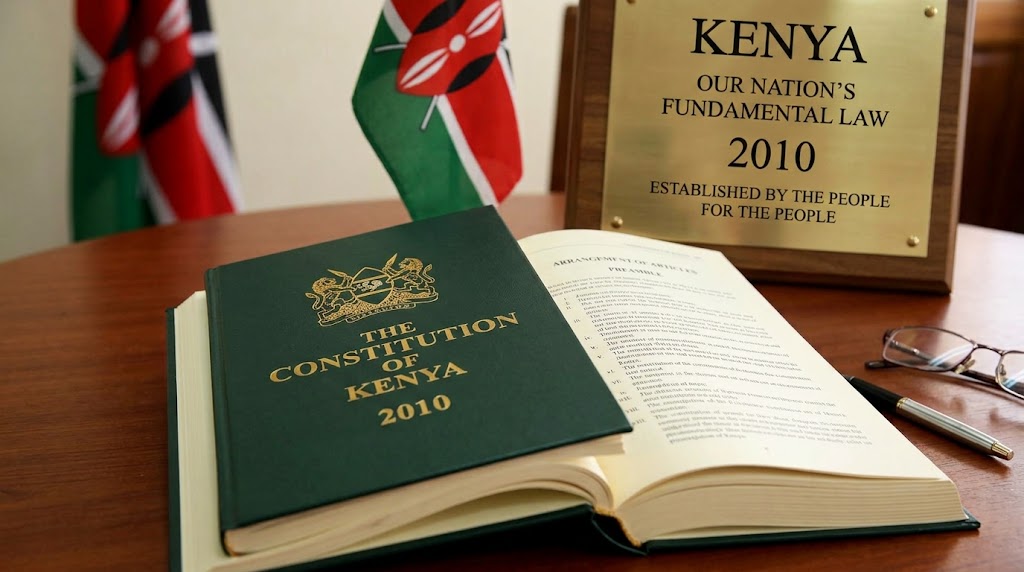
Kenya is marking 16 years since the promulgation of the Constitution of Kenya, 2010, a milestone that has renewed conversations about the rights, freedoms and responsibilities of citizens.
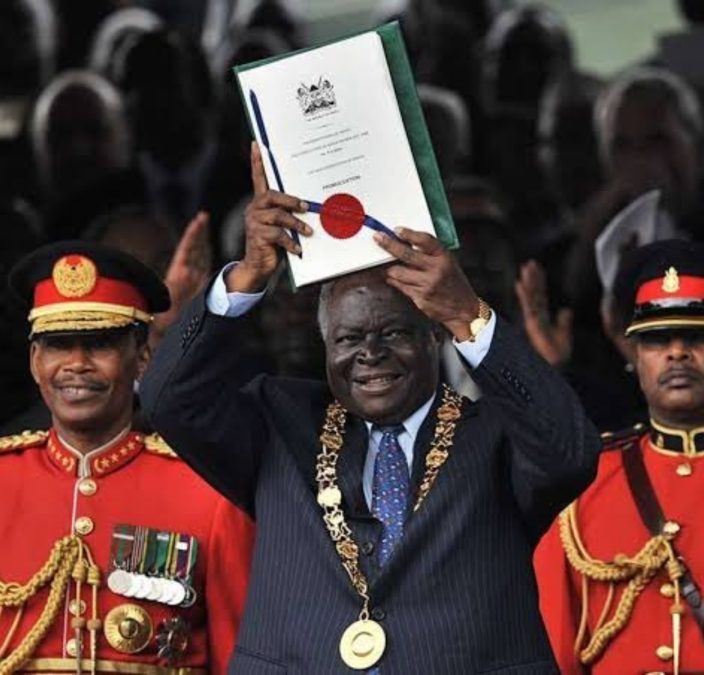
The Constitution came into force on August 27, 2010, following its promulgation at Nairobi’s Uhuru Park. Sixteen years later, its Bill of Rights remains particularly relevant to a generation that has increasingly used social media, protests and other platforms to question how the country is governed.
For Gen Z Kenyans, understanding the Constitution goes beyond knowing that it is the country’s supreme law. The Bill of Rights sets out freedoms and protections that affect everyday life, from what someone can post online to how they can participate in public affairs.
Here are seven constitutional rights every young Kenyan should know.
- Freedom of expression
Article 33 gives every person the right to freedom of expression, including the freedom to seek, receive and share information or ideas.
The right also covers artistic creativity, academic freedom and scientific research.
For a generation that communicates heavily through TikTok, X, Instagram, YouTube and other digital platforms, this is particularly important.
However, freedom of expression does not mean that everything can legally be said or shared. The Constitution specifically excludes propaganda for war, incitement to violence, hate speech and advocacy of hatred that amounts to ethnic incitement, vilification or incitement to cause harm.
- The right to peaceful assembly and demonstration
Article 37 gives every person the right to assemble, demonstrate, picket and present petitions to public authorities peaceably and unarmed.
The provision is particularly relevant to young Kenyans who have participated in public demonstrations and civic campaigns.
It means citizens have a constitutional avenue to come together and express their views on issues affecting them, while the right itself has constitutional conditions that must be observed.
- The right to privacy
Your phone, messages, home and personal information are not simply matters that anyone can access without limits.
Article 31 protects every person’s right to privacy. This includes protection against unnecessary searches of one’s person, home or property, seizure of possessions, unnecessary disclosure of information concerning family or private affairs, and infringement of the privacy of communications.
For a generation that spends much of its life online, understanding the constitutional right to privacy is especially important.
It is also a reminder that sharing another person’s private information or communications can raise serious legal and ethical questions.
- The right to access information
Article 35 gives citizens a constitutional right to access information held by the State.
Citizens also have a right to information held by another person where that information is required for the exercise or protection of another right or fundamental freedom.
This right can be useful to young people seeking information about government programmes, public spending and decisions that affect their communities.
The Constitution also requires the State to publish and publicise important information affecting the nation.
- Political rights
Being young does not mean being excluded from Kenya’s political affairs.
Article 38 gives every citizen the right to make political choices, including the right to form or participate in forming a political party, participate in the activities of a political party, campaign for a political cause or candidate, and freely make political choices.
Citizens also have the right to free, fair and regular elections based on universal suffrage and the free expression of their will.
For Gen Z, this means political participation is not limited to voting every five years. The Constitution provides several ways for citizens to participate in public affairs.
- Equality and freedom from discrimination
Article 27 provides that every person is equal before the law and has the right to equal protection and equal benefit of the law.
It also prohibits discrimination on various grounds, including race, sex, pregnancy, marital status, health status, ethnic or social origin, colour, age, disability, religion, conscience, belief, culture, dress, language and birth.
This protection is particularly relevant to young people navigating education, employment, relationships and other areas of public and private life.
The Constitution also requires the State to take legislative and other measures to address past discrimination and provides for affirmative action measures aimed at ensuring groups disadvantaged by discrimination can enjoy their rights equally.
- Economic and social rights
The Constitution does not only protect civil and political freedoms. Article 43 also recognises economic and social rights.
These include the right to the highest attainable standard of health, accessible and adequate housing, reasonable standards of sanitation, freedom from hunger and access to adequate food of acceptable quality, clean and safe water, social security and education.
For young Kenyans dealing with issues such as unemployment, healthcare, housing and access to education, these provisions are particularly significant.
Why Gen Z should know the Constitution
Sixteen years after its promulgation, the Constitution remains more than a document kept in government offices or discussed by lawyers.
It provides the framework through which Kenyans exercise their freedoms, participate in public affairs and demand accountability.
This year’s Katiba Day has renewed debate about whether the country has fully delivered on the promises made in 2010. The Constitution itself describes sovereign power as belonging to the people, while Article 10 places values including human dignity, equality, human rights, transparency and accountability at the centre of governance.
For Gen Z, knowing these rights is therefore not simply about passing a civics test. It can help young Kenyans understand when they are exercising a constitutional freedom, what limitations apply and what avenues exist when they believe their rights have been violated.
Sixteen years on, the Constitution remains a living document, and understanding it may be one of the most important ways for a new generation to participate in shaping Kenya’s future.